
Deciphering the "Communication Trinity": 50 Years of Research in TC, BC, and PC
A Comparison of Research Topics Associated With Technical Communication, Business Communication, and Professional Communication, 1963–2017
This study presents a large-scale corpus-driven analysis comparing research topics across Technical Communication (TC), Business Communication (BC), and Professional Communication (PC) from 1963 to 2017. By analyzing 4,822 abstracts using collocation analysis, the author identifies unique disciplinary signatures and the role of PC as a flexible incubator for emerging concepts.
TL;DR
Is "Professional Communication" just a fancy synonym for Business or Technical writing? This monumental study by Stephen Carradini analyzes nearly 5,000 research abstracts spanning from 1963 to 2017 to find out. The verdict: while they share a pedagogical heart, they are distinct species. Technical Communication focuses on specialists, Business Communication on global nonspecialists, and Professional Communication acts as the "R&D lab" for the field's future.
Context/Motivation: The Disciplinary Identity Crisis
Scholars in communication fields often face a "departmental home" dilemma. Does your research belong in a Business School or a Humanities department? This isn't just academic hair-splitting—it affects tenure, funding, and what students are taught. Carradini’s study seeks to map the "academic DNA" of these fields to see where they converge and where they maintain strict borders.
Methodology: The Power of Collocation
The study moves beyond manual qualitative reviews (which are often limited to small samples) and employs Corpus Linguistics. By using AntConc to look at "collocations"—words that frequently hang out together—the author identifies the specific topical "gravity" of each term.
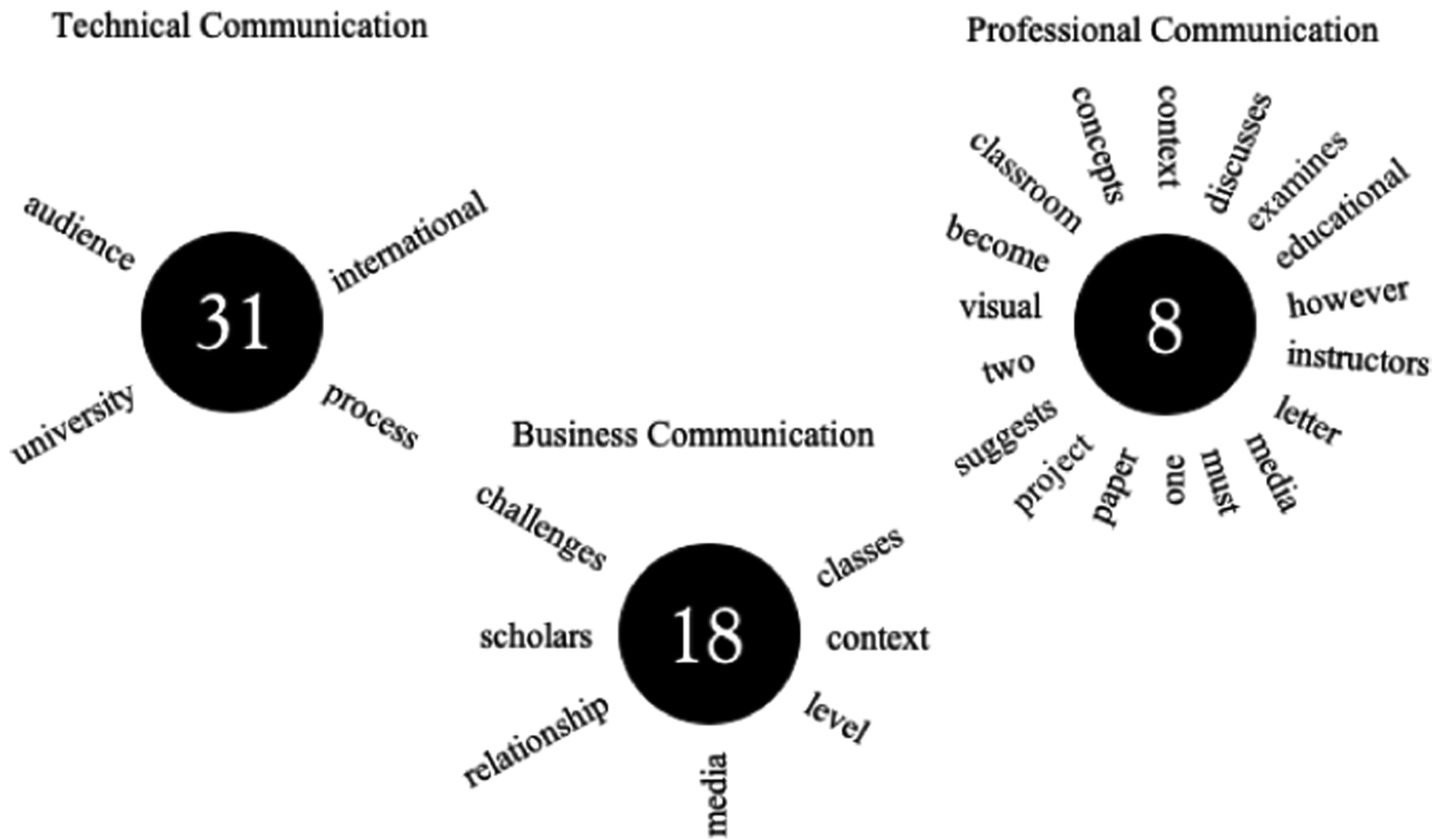 Figure 1: Visualizing the frequency-based cutoff for the 4,822-abstract corpus analysis.
The Findings: Three Distinct Worldviews
1. Technical Communication (TC): The Specialist's Realm
TC is remarkably stable. It circles around the "Specialized Communicator."
- Core Keywords: Usability, Knowledge Management, Industry, Scientific Communication.
- Physical Focus: China has emerged as a major geographic research node for TC.
- The Insight: TC is about helping users navigate complexity through structured knowledge.
2. Business Communication (BC): The Global Generalist
BC focuses on the "Nonspecialist Writer"—the manager or employee who must communicate to keep the gears of global business turning.
- Core Keywords: Intercultural, Oral Communication, Mentoring, Global.
- The Insight: BC has shifted significantly toward international contexts, moving away from purely US-centric business models.
3. Professional Communication (PC): The Boundary Expander
This was the study's most surprising finding. PC lacks the rigid topical structure of the other two. Instead, it acts as a "Flexible Incubator."
- Core Keywords: Gender, Emerging Genres, Virtual, Social Justice.
- The Insight: When scholars want to introduce a radical new concept (like "Agile" or "Human Rights") that doesn't yet fit into TC or BC, they often label it "Professional Communication."
 Figure 2: The massive overlap (44 shared terms) identifies a common core in pedagogy and international focus.
SOTA Comparison: TC vs. BC vs. PC
The "Trinity" shares a massive pedagogical core (Teaching, Students, Classroom), but the study highlights a critical gap: Technical Communication and Professional Communication are becoming more integrated (TPC), while Business Communication remains more isolated, likely due to its strong ties to Business Schools.
Critical Insight & Conclusion
Carradini concludes that the "rhetorical flexibility" of the term Professional Communication is its greatest strength. It provides the "intellectual space" for the field to evolve without breaking the established traditions of TC or BC.
The Takeaway for Practitioners:
- If you are building a new curriculum, use PC to experiment with modern topics like AI ethics or social justice.
- Use BC for broad organizational soft skills.
- Reserve TC for technical documentation and user-centered design specialists.
Limitations
The study relies on abstracts, which may omit the depth found in full-text articles. Additionally, the focus on top-tier journals might overlook local or practitioner-only trends that don't make it into "prestige" publications.