
The Digital Transformation of Hospitality: Leveraging E-Marketing and Web 2.0 in Croatia
10894_Competitive Advantages of the Adoption and Use of Technological Systems in Hospitality Marketing The Case Study of Croatia.
This paper investigates the strategic implementation of e-marketing and Web 2.0 technologies within the Croatian hospitality industry. It evaluates how Internet-based tools—ranging from social networks to specialized reservation systems like Phobs—transform hotel-guest interactions and operational efficiency, ultimately achieving a shift towards direct online sales.
TL;DR
The hospitality industry is undergoing a radical shift from traditional advertising to interactive e-business. This study explores how Croatian hotels are adopting Web 2.0 and direct booking systems to bypass costly intermediaries. While high-end hotels have mastered reputation platforms like Tripadvisor, there remains a massive untapped potential in mobile marketing and real-time social engagement.
Problem & Motivation: Beyond the Passive Brochure
For decades, a hotel's website was little more than a digital brochure. However, the modern traveler’s journey is defined by Information Asymmetry reduction. Today's guests undergo a complex five-stage decision process—Problem Identification, Information Search, Alternatives Evaluation, Purchase Decision, and Post-purchase Behavior—all mediated by the Internet.
The authors argue that hotels failing to move toward Interactive Web 3.0 (Virtual Presence and Social Dialogue) risk obsolescence. The motivation here is clear: Direct Sales are the cheapest way to sell a room, and technology is the only vehicle to achieve this at scale.
Methodology: The Mechanics of Modern Booking
The core of the paper’s methodology lies in analyzing the Phobs Reservation System, a specialized technological solution used by top-tier Croatian hotels (e.g., Valamar, Maistra, Adriatic Luxury Hotels).
The Consumer Decision Model
The research maps out how external stimuli (Marketing and Environment) enter the "Buyer’s Black Box." Unlike physical goods, hospitality products are Intangible and Perishable, making the "Information Search" phase the most critical junction for e-marketing intervention.
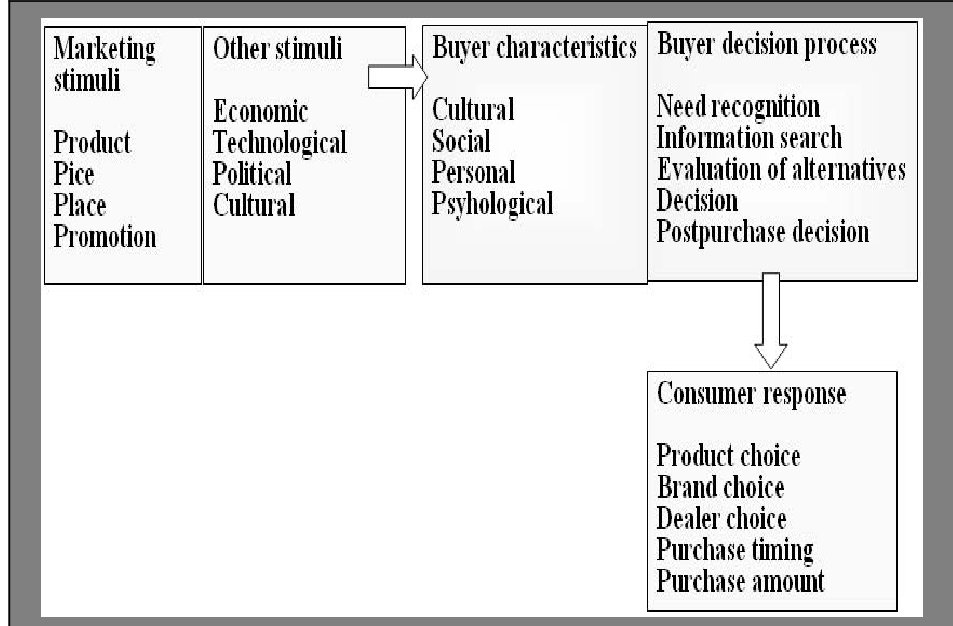 Figure 1: The flow from marketing stimuli to purchase choice in the digital age.
Direct vs. Indirect: The Distribution Battle
A significant portion of the study focuses on the Phobs system, which connects hotels directly to Global Distribution Systems (GDS) and major portals like Booking.com and Expedia, while simultaneously empowering the hotel's own website.
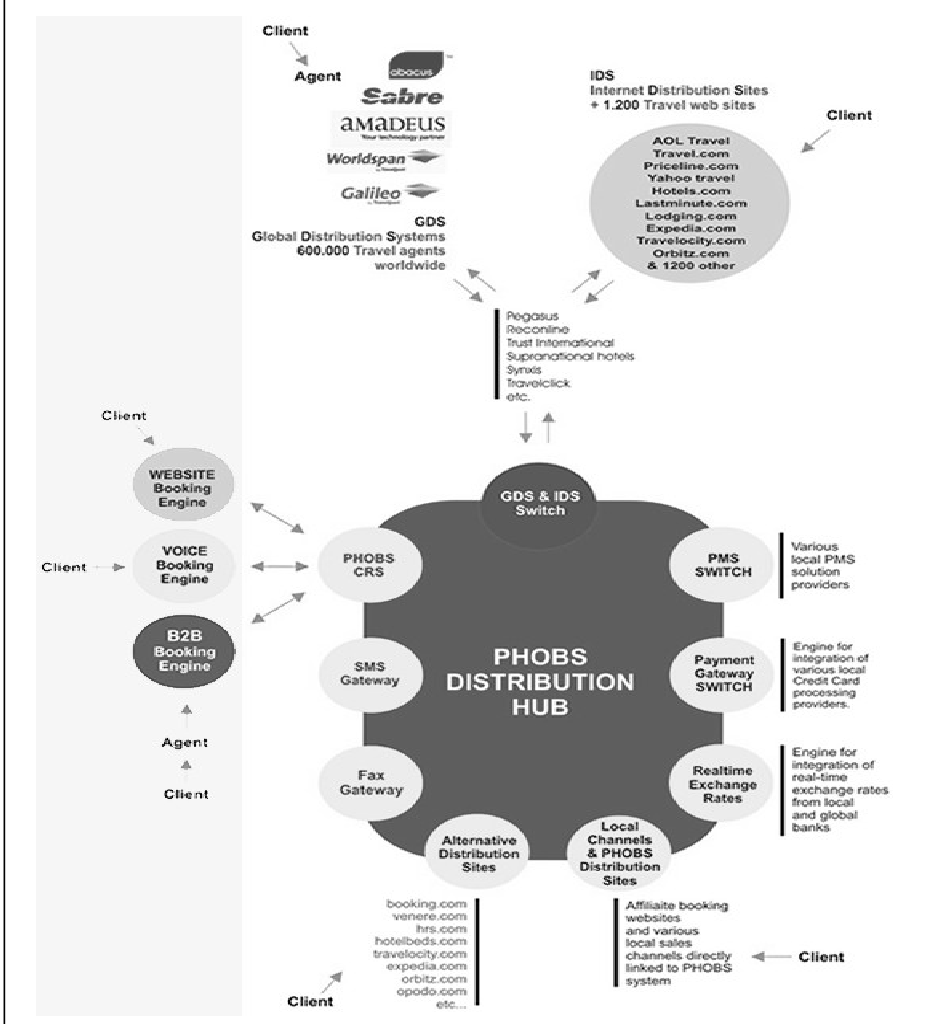 Figure 2: Architecture of an integrated e-marketing and distribution system.
Experimental Results: The Web 2.0 Adoption Gap
The study highlights a fascinating disparity in how 4-star and 5-star hotels utilize social technology.
| Technology | 4-Star Hotels | 5-Star Hotels |
|---|---|---|
| Social Guides (Tripadvisor) | 91.87% | 100% |
| Weblogs | 23.58% | 62.5% |
| Mobile Internet | 0% | 0% |
| VOIP (Skype) | 5.69% | 18.75% |
Key Insights from the Data:
- Reputation is King: Every 5-star hotel analyzed recognizes that they no longer control their brand; the guests do via Tripadvisor.
- The Innovation Ceiling: Despite the hype, "Mobile Internet" and "Virtual Worlds" were non-existent in the strategy of Croatian hotels at the time of the study, representing a missed opportunity for real-time engagement.
- Economic Impact: Direct web bookings grew steadily, confirming that users prefer the convenience of "Instant Confirmation" over the delays of traditional travel agencies.
Critical Analysis & Conclusion
This research underscores a fundamental truth in digital transformation: Technology adoption is not binary. While Croatian hotels have successfully integrated "Functional" e-marketing (Reservation systems and Social reviews), they lag in "Experimental" e-marketing (Mobile and Virtual presence).
Takeaways for the Industry:
- Direct is Defensible: Investing in proprietary booking engines (like Phobs) reduces dependency on high-commission OTAs (Online Travel Agencies).
- Dialogue over Monologue: The shift to Web 2.0 means hotels must participate in social conversations rather than just pushing advertisements.
- Future Gap: The 0% adoption of mobile marketing is a "red flag" for future-proofing, as consumer habits shift toward on-the-go booking.
In conclusion, the Croatian hospitality industry proves that while the "Social Web" has changed the game, the winner is determined by who manages the Direct Relationship with the guest most efficiently.