
Ontology-Driven MCI Diagnosis: Bridging Machine Learning and Semantic Clinical Support
c o m p u t e r m e t h o d s a n d p r o g r a m s i n b i o m e d i c i n e 1 1 3 ( 2 0 1 4 ) 781-791
The paper introduces an ontology-driven decision support system (DSS) for the automated diagnosis of Mild Cognitive Impairment (MCI) using MRI-derived cortical thickness. By combining semantic Web technologies (OWL) with the C4.5 decision tree algorithm, the system achieves a SOTA sensitivity of 80.2% in distinguishing MCI patients from normal controls.
TL;DR
Researchers have developed an automated system for diagnosing Mild Cognitive Impairment (MCI)—a precursor to Alzheimer’s—by merging MRI cortical thickness data with ontology-based reasoning. Using the C4.5 algorithm to generate transparent clinical rules, the system achieved a 80.2% sensitivity, providing a more objective and explainable tool for neurologists than traditional "black-box" models.
Problem & Motivation: The Subjectivity Gap
Identifying MCI is notoriously difficult because symptoms are often so mild they overlap with normal aging. Traditional diagnosis relies heavily on physician experience, leading to subjectivity. While Brain Informatics (MRI/DTI) offers objective data, the field has lacked a way to:
- Standardize the complex anatomical knowledge of the brain.
- Automate the transition from raw imaging data to a clinical decision.
- Explain the reasoning behind a diagnosis to a clinician.
The authors argue that an Ontology-Based Modeling (OBM) approach can solve this by providing a machine-readable structure that manages domain knowledge organically.
Methodology: The Hybrid Intelligence Framework
The system architecture is a pipeline that transforms raw MRI scans into clinical insights through three main layers:
1. Feature Extraction & Statistical Pruning
Using FreeSurfer, the researchers calculated the mean cortical thickness for 90 non-cerebellar Regions of Interest (ROI). To eliminate noise, they applied a general linear regression to control for age/gender and used independent sample t-tests to narrow down to 46 highly significant brain regions (e.g., Hippocampus, Entorhinal cortex).
2. Knowledge Modeling (Descriptive + Procedural)
- Descriptive Knowledge: Built using OWL (Web Ontology Language), defining concepts like
Subject,Neuroimaging, andCerebrum. - Procedural Knowledge: Instead of manually writing rules, the authors used the C4.5 Decision Tree algorithm on data from the ADNI database. This algorithm was selected because its output can be easily converted into human-readable IF-THEN rules.
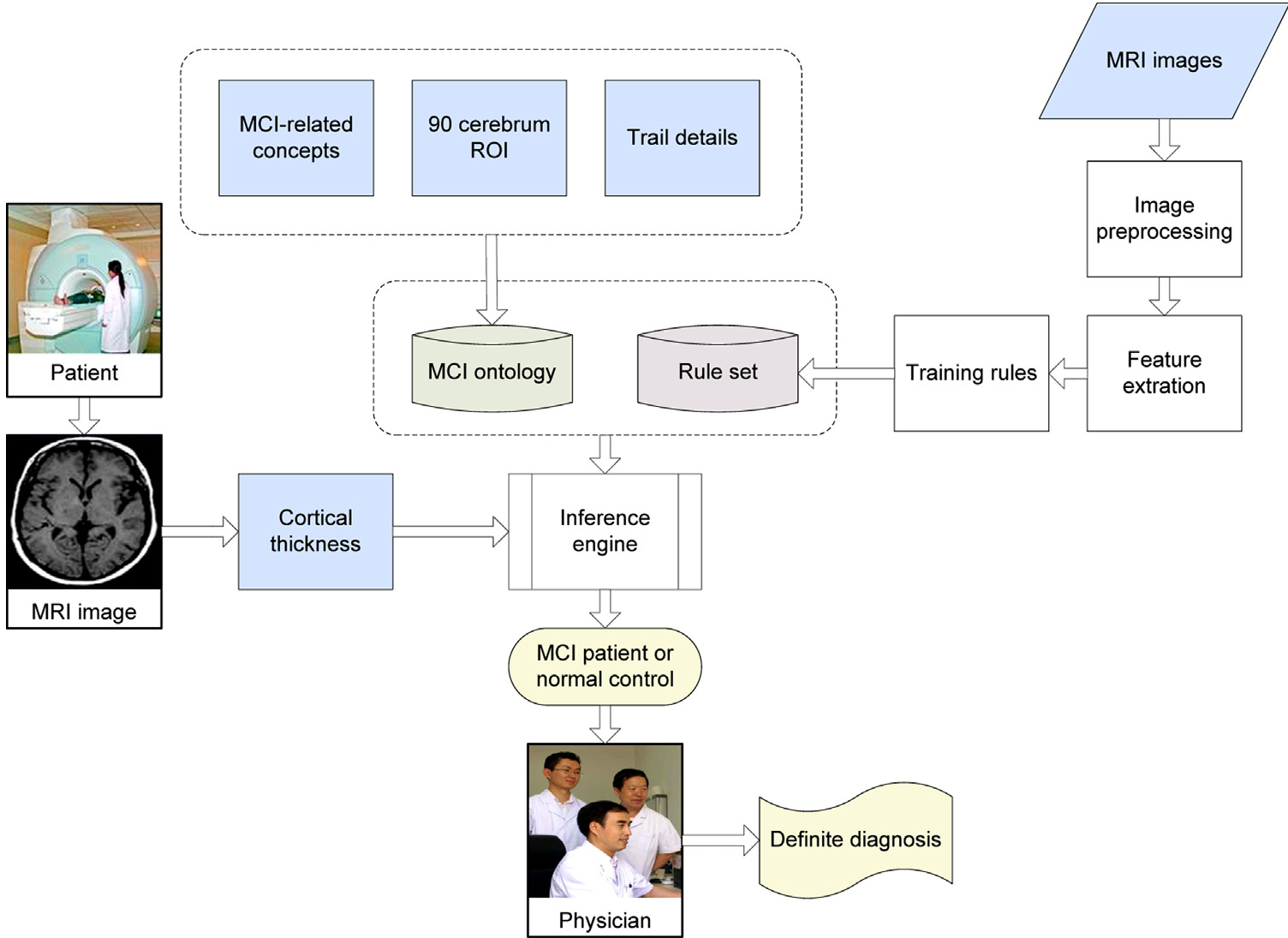 Figure 1: The framework of the ontology-driven decision support approach.
3. The Reasoning Engine
By loading the ontology and the C4.5-generated rules into the Jena Inference Engine, the system can ingest a new patient's ROI values and automatically output a diagnosis status.
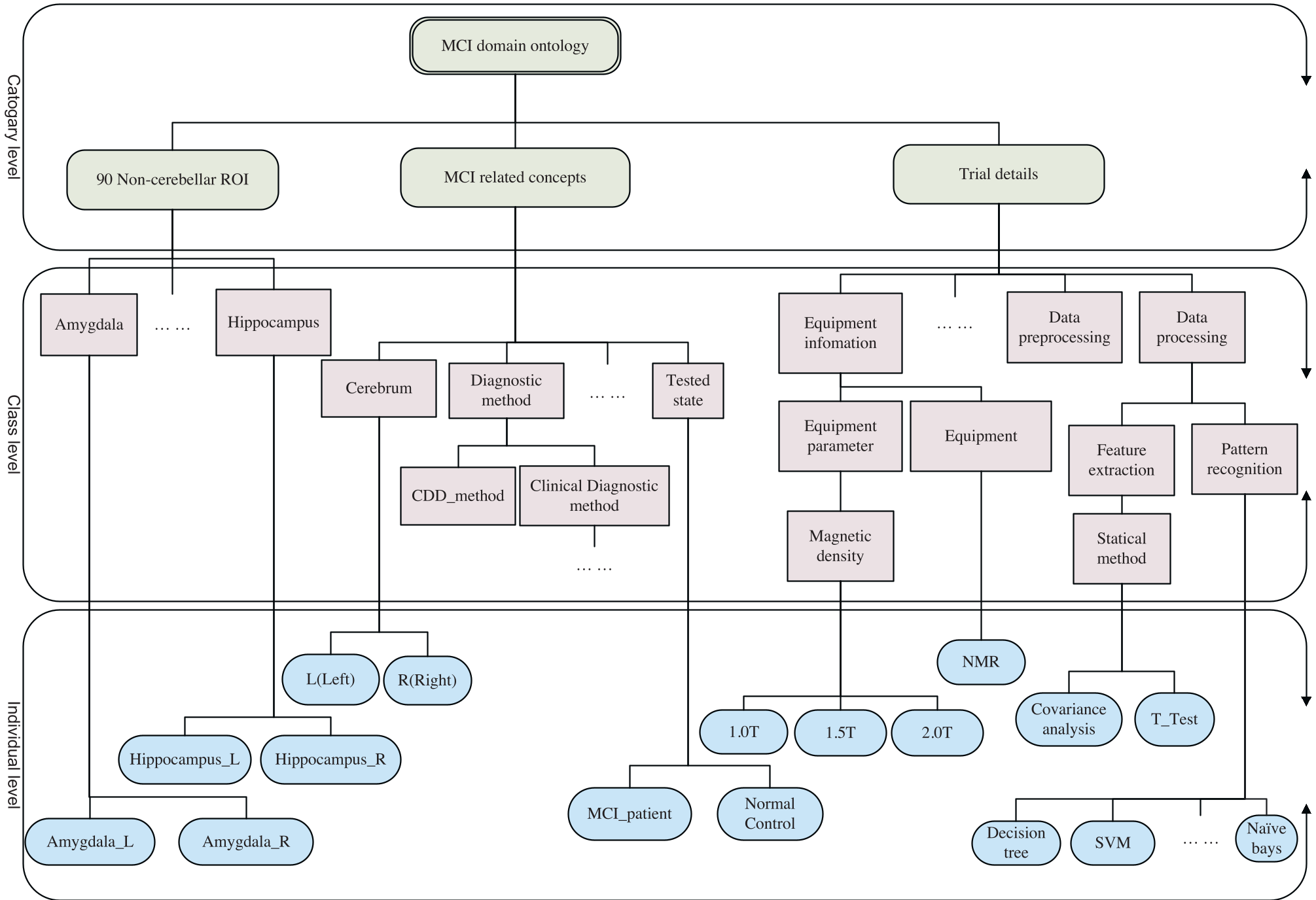 Figure 2: Example of the inference engine outputting diagnosis status.
Experiments & Results: Why C4.5?
The study compared C4.5 against other popular classifiers: Support Vector Machines (SVM), Bayesian Networks (BN), and Back Propagation (BP) Neural Networks.
Key Results:
- Sensitivity (TPR): C4.5 reached 80.2%, significantly higher than the previous thickness-based SOTA of 73%.
- Kappa Statistic: C4.5 scored 0.6021, showing the highest agreement with ground-truth clinical data.
- Interpretability: Unlike SVM or BP, C4.5 provides clear decision boundaries (e.g., If Left Middle Frontal Gyrus thickness > 2.417mm, then...), which is essential for medical trust.
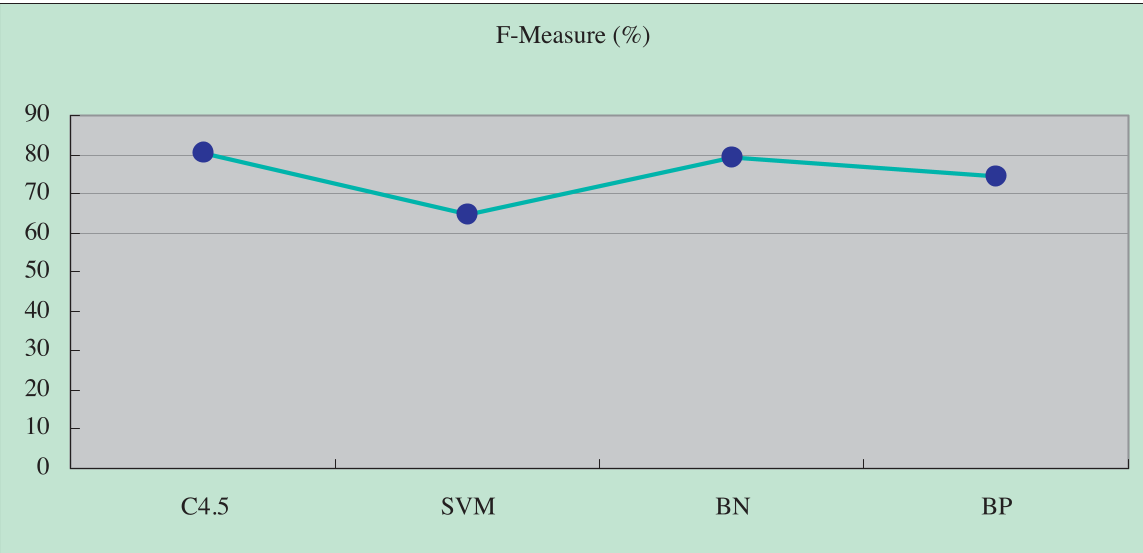 Figure 3: Statistical comparison of the four classifiers across multiple metrics.
Critical Analysis & Conclusion
Takeaway
This research proves that a Knowledge-plus-Data approach is superior to pure data-driven methods in clinical settings. The use of an ontology ensures that the system is not just accurate, but also interoperable—the "MCI Ontology" can be shared across hospitals and reused for other neurological research.
Limitations & Future Work
- Single Modality: The sensitivity (80.2%) is strong but not diagnostic on its own. Integrating fMRI (functional) and DTI (connectivity) data could likely push accuracy toward the 95%+ range.
- Static Rules: Current rules are fixed based on one dataset. Future versions should implement dynamic updates to account for regional and population-specific biological differences.
In summary, this work marks a significant step toward "Transparent AI" in neurology, providing a flexible framework that can be extended to other complex classification tasks in medicine.