
CRMS in Healthcare: Shifting from Clinical Management to Patient-Centric Excellence
Computer Standards & Interfaces
This paper presents a systematic literature review (SLR) of Customer Relationship Management Systems (CRMS) within the healthcare environment. Synthesizing 19 empirical studies, the authors categorize research into Social CRM (e-CRM), CRMS implementation, and CRMS adoption, demonstrating that CRM significantly improves patient satisfaction, service quality, and hospital operational efficiency.
TL;DR
This systematic review explores how Customer Relationship Management (CRM) is revolutionizing the healthcare industry. By analyzing two decades of research, the study identifies three pillars—e-CRM, Implementation, and Adoption—that drive patient loyalty and operational efficiency. The result? A clear signal that the future of medicine is as much about managing relationships as it is about clinical treatments.
The Motivation: Why Healthcare Needs CRM
Traditional healthcare models are under siege from rising costs, aging demographics, and a "lack of qualified medical professionals." The shift toward Patient-Centric Care has forced providers to view patients not just as cases, but as consumers.
The core problem identified by Baashar et al. is that while HIT (Health Information Technology) like EHR and HIS are common, they often lack the "connective tissue" that builds long-term loyalty and satisfaction. CRM serves as this missing link, yet academic research in this specific domain has been disparate and unorganized—until now.
Methodology: Mapping the CRM Landscape
The authors categorized the existing body of work into three critical research streams:
- e-CRM (Social/Web-based): Focusing on Web 2.0, social media, and online portals.
- Implementing CRMS: The "How-to" of integrating these systems into nursing homes and hospitals.
- Adopting CRMS: Analyzing the organizational and technological factors that lead a hospital to choose (or reject) CRM.
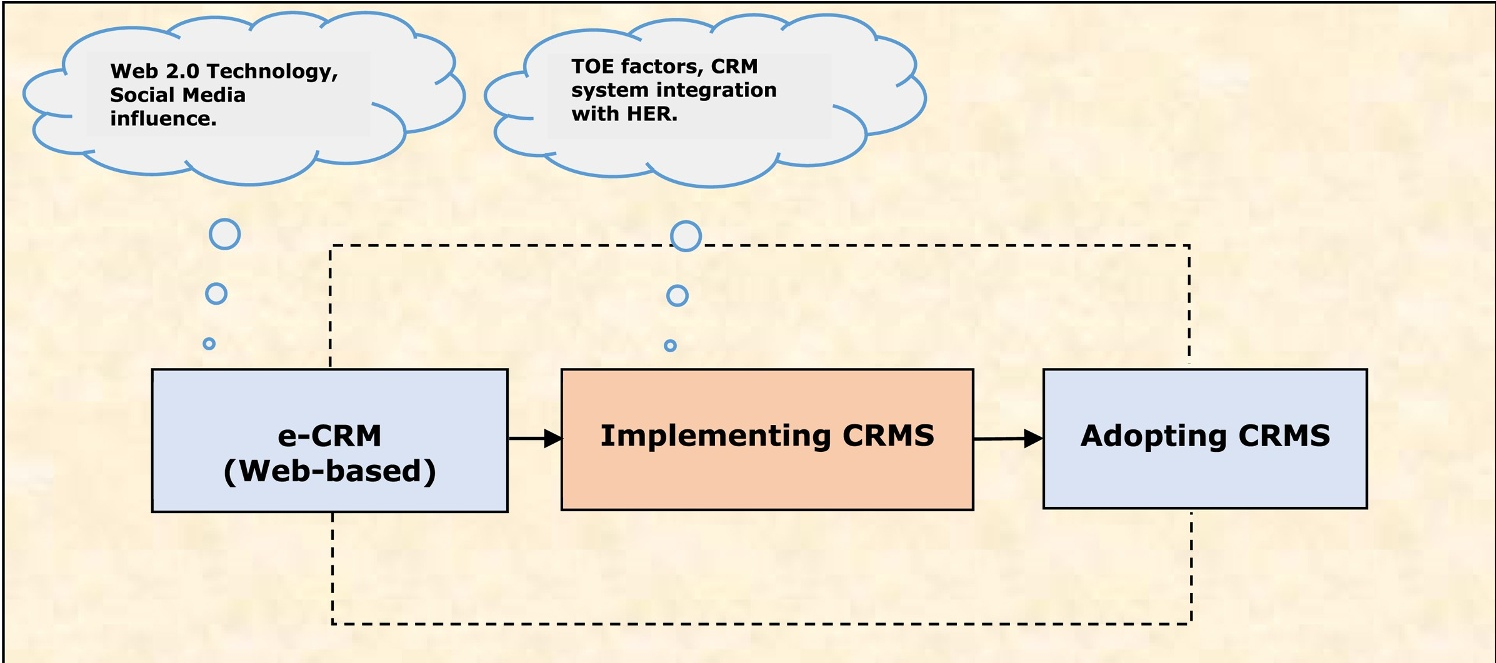 Figure 1: The proposed framework for categorizing CRM research in the healthcare sector.
Core Insights: The "High-Value" Patient
One of the most profound insights from the review is the concept of the "life-long value of a patient." Chronic conditions (diabetes, hypertension) require continuous follow-up.
- The Findings: Over 80% of patients want online appointment and payment capabilities.
- The Outcome: Implementing physician profiling systems (PPS) via e-business applications led to significant reductions in total charges and better clinical outcomes in specialties like neurology and orthopedics.
Breaking Down the Implementation
The review highlights that implementation isn't just about software; it's about Human Resources. Factors like employee satisfaction and organizational culture have a higher impact on CRM success than the "organizational mission" itself.
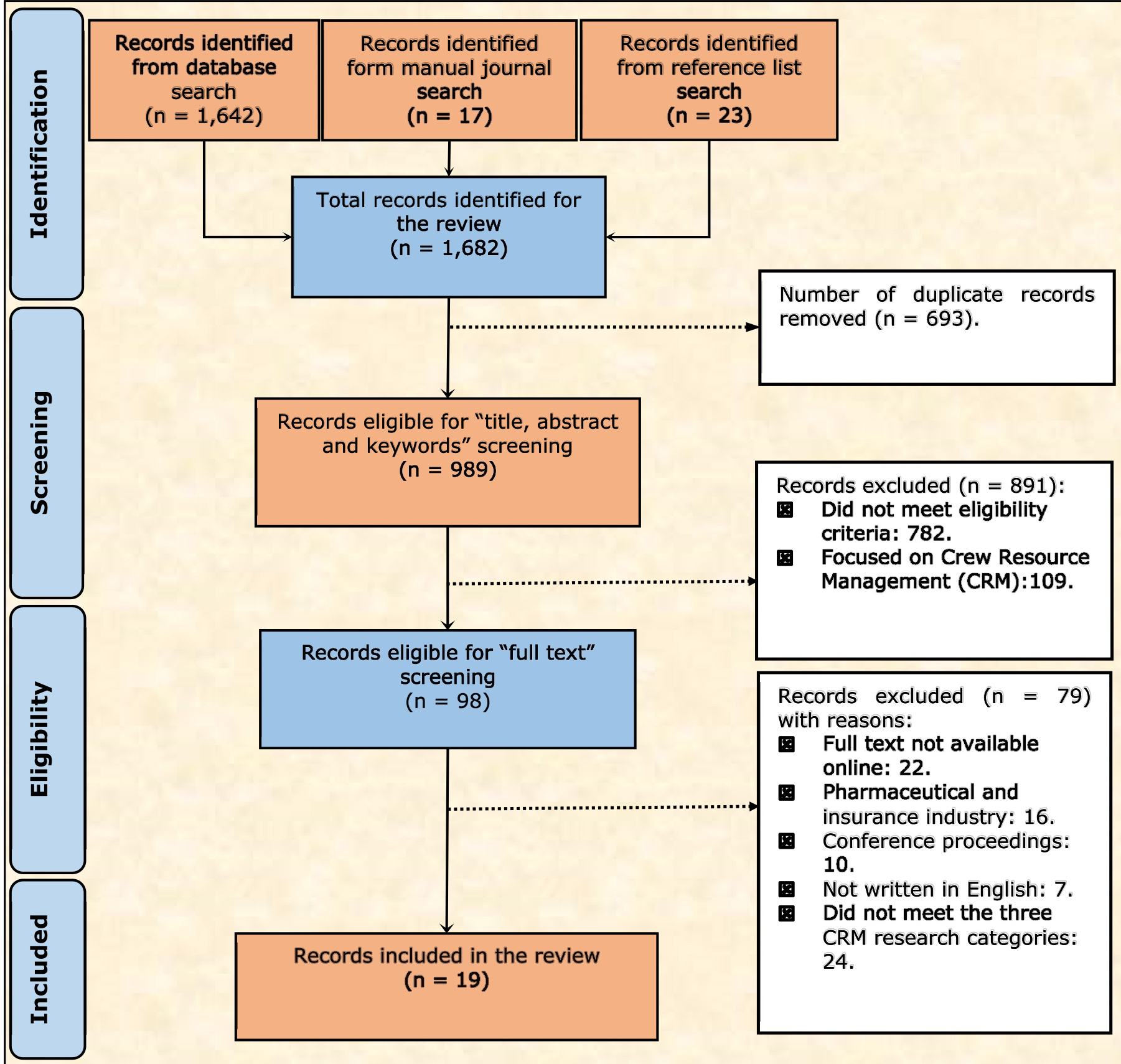 Figure 2: The rigorous PRISMA screening process used to distill 1,642 records down to 19 high-impact studies.
Critical Analysis: Gains and Gaps
The evidence is overwhelmingly positive regarding Patient Empowerment. CRM 2.0 models allow patients to control their Electronic Medical Records (EMR) and discuss conditions in secure social networks.
However, the "资深学术技术主编" (Senior Editor) perspective notes a significant weakness: Data Analysis. While hospitals are great at collecting patient data, "Data Analysis" remains the most underachieved feature. Furthermore, the systematic review reveals a startling lack of focus on Security and Privacy (HIPAA/GDPR) in the current CRM literature—a dangerous oversight in an era of frequent data breaches.
Future Outlook: mCRM and Data Mining
The paper concludes with a call for research into m-CRM (Mobile CRM). With the surge in wearable devices and telehealth (accelerated by COVID-19), the smartphone is becoming the primary interface for the patient-hospital relationship.
Final Takeaway
For healthcare executives and researchers, the message is clear: CRM is no longer an "optional" business tool. It is a fundamental infrastructure for modern healthcare that improves service quality (SQ) and personalizes the patient experience. The next frontier will be integrating AI-driven data mining to turn collected patient data into predictive health insights.
Limitations
- Publication Bias: Most indexed studies report positive outcomes; negative results are rarely documented.
- Methodological Quality: Many studies lacked rigorous reporting on sampling techniques and bias mitigation.