
Beyond Automation: Orchestrating Human-Computer Clouds in Socio-Cyberphysical Systems
Context-Aware Decision Support in Socio-Cyberphysical Systems: From Smart Space-Based Applications to Human-Computer Cloud Services
The paper introduces a hybrid methodology for context-aware decision support within Socio-Cyberphysical Systems (SCPS). It proposes a framework named "TAIS" that leverages the Smart-M3 platform and a Human-Computer Cloud (HCC) architecture to integrate IoT data, autonomous agents, and human crowdsourced intelligence for real-time e-tourism applications.
TL;DR
This research presents a paradigm shift in how we design Decision Support Systems (DSS) for dynamic environments. By treating human intelligence as an elastic cloud resource—similar to virtual servers—and integrating it with IoT-driven "Smart Spaces," the authors demonstrate a system capable of solving complex, context-dependent problems like real-time travel planning in e-tourism.
Background: The Rise of Socio-Cyberphysical Systems (SCPS)
The evolution of the Internet of Things (IoT) has led us to Cyberphysical Systems (CPS), where software and the physical world are intertwined. However, the authors argue that the missing link is the "Social" element. Socio-Cyberphysical Systems (SCPS) go a step further by integrating human actors and social networks as active components of the architecture, turning every participant into a potential "sensor" or "processor."
The Problem: The Complexity of "Context"
Modern DSS face a wall when dealing with highly decentralized, up-to-date data that requires human-level intuition. Traditional systems often fail because:
- Context is fluid: Information about weather, traffic, and personal preference changes by the minute.
- Resource Scarcity: Purely automated agents lack the "common sense" or local knowledge that a human guide possesses.
- Scalability: Integrating human help manually is slow; it needs a "cloud" approach where human effort can be provisioned on demand.
Methodology: The HCC and Smart Space Architecture
The core of the paper lies in a dual-layered approach to context-awareness and a three-tier cloud for human-machine collaboration.
1. Context Modeling (Abstract vs. Operational)
The system uses ontologies to represent knowledge.
- Abstract Context: Filtered domain knowledge relevant to a specific situation (e.g., "A tourist in a rainy city").
- Operational Context: The real-time "instantiation" of that model with live data (e.g., "User ID 5, Location: London, 15:00, Current Traffic: Heavy").
2. The Human-Computer Cloud (HCC)
The HCC treats human contributors as "Computing Resources." It follows the NIST cloud model:
- IaaS (Infrastructure): Includes human expertise, sensors, and storage.
- PaaS (Platform): Provides "Human Workflow Services" like the Iterative-Improvement pattern, where a task (like a travel route) is passed through multiple humans for refinement.
- SaaS (Software): The actual application services like itinerary planning.
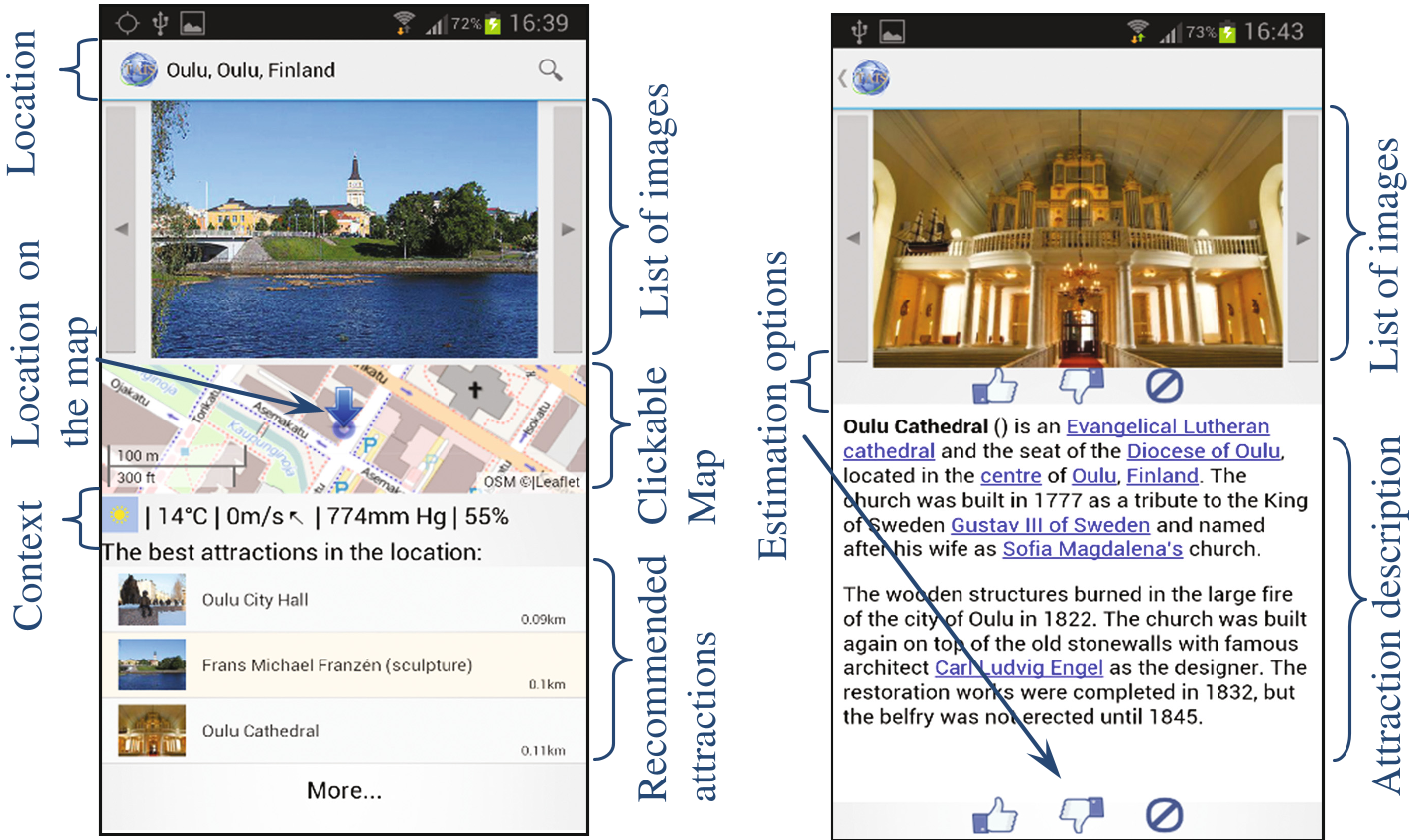 Figure 1: The architecture showing how human contributors and computer services act as unified cloud resources.
Real-World Implementation: TAIS and the Connected Car
The authors applied this to the TAIS (Mobile Tourist Guide). In a specific scenario, a tourist needs a route from a hotel to the airport.
- The system triggers an itinerary request.
- The HCC Platform looks up past successful trips.
- It assigns human Contributors (local citizens) to audit and improve the suggested route based on local "nuances" (e.g., a nice view or a hidden construction site).
- The final route is pushed to the Ford AppLink system in the user's car.
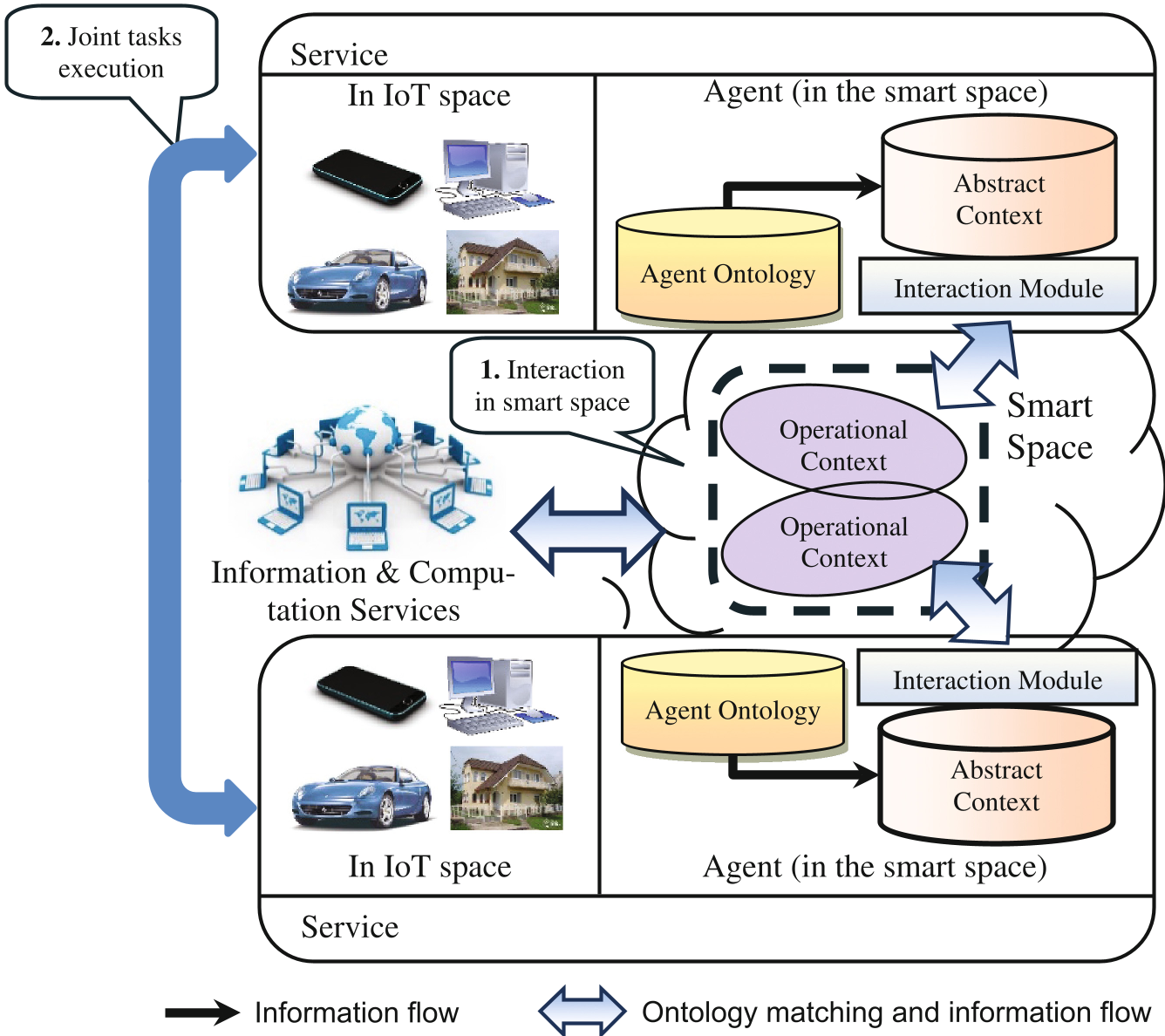 Figure 2: The TAIS application providing real-time recommendations and context-aware maps.
Experimental Insights
The research moves beyond theoretical frameworks by integrating the Smart-M3 platform, which allows for "Multidevice, Multivendor, and Multidomain" interoperability. By using Ontology Slicing, the system reduces the computational overhead, focusing only on relevant data for the current "decision situation."
Critical Analysis & Future Outlook
While the integration of humans as "cloud resources" is powerful, it introduces unique challenges:
- Incentivization: How do you keep contributors engaged? The paper suggests "contribution points" or monetary rewards.
- Quality Control: Relying on crowdsourcing requires robust verification (the "Iterative-Improvement" pattern is a start).
- Privacy: As users share their location and preferences, context-aware systems must balance utility with data protection.
Conclusion
The transition from Smart Spaces to Human-Computer Clouds represents the next frontier of the IoT. By formalizing human intelligence as a cloud service, we can build systems that are not just "smart," but truly "aware" of the human experience.