
Brand Viscosity: The New Frontier of Context-Sensitive Digital Marketing
Context Sensitive Digital Marketing - A Conceptual Framework Based on the Service Dominant Logic Approach
This paper introduces a conceptual framework for Context-Sensitive Digital Marketing anchored in Service-Dominant Logic (SDL). It proposes a novel classification of context dimensions (Inner/Outer and Latent/Acute) and introduces the concept of "Brand Viscosity" to achieve SOTA-level brand adaptability in real-time digital interactions.
TL;DR
The shift from hardware-centric to service-centric economies demands a new marketing paradigm. This paper proposes a framework based on Service-Dominant Logic (SDL), where value is not "sold" but "co-created" during use. By introducing Brand Viscosity—the ability of a brand to adapt its symbols and tone to a user’s immediate context—the authors provide a roadmap for autonomous, real-time digital brand management.
Background: Beyond the Static User Profile
In the era of the Internet of Things (IoT) and pervasive computing, the "who" is less important than the "when" and "where." Traditionally, marketers focused on segments and demographics (Latent Context). However, this paper argues that Value in Context—the utility derived from a specific situation—is the true driver of brand value. A user’s needs change drastically between a "stressed morning commute" and a "relaxed weekend holiday," even if their demographic profile remains identical.
The Core Mechanism: Classifying Context
The authors solve the complexity of situational data by proposing a two-dimensional classification model:
- Inner vs. Outer: Distinguishing between internal states (emotions, motives) and external environments (location, device, weather).
- Latent vs. Acute: Distinguishing between static history (milieu, personality) and dynamic, volatile moments (current mood, intermediate medium).
Context Classification Matrix
| Context Factors | Latent (Static) | Acute (Dynamic) |
|---|---|---|
| Inner | Personality, Culture, History | Emotional Condition, Motive |
| Outer | Climate, Social Network | Location, Weather, Current Medium |
Methodology: The Algorithmic Path to Relevancy
To transform raw sensor data into marketing actions, the paper defines a tripartite model for algorithmic processing:
- Context Attribution Models: Using sub-symbolic AI (Neural Networks) to map data points (e.g., slow touch interaction + tablet device + evening time) to a context state (e.g., "relaxed/tired").
- Context Effect Models: Determining how much a specific context (e.g., rainy weather) actually influences the perceived value of a service.
- Marketing Response Models: Deciding the action—whether to present information, execute a service automatically, or tag data for future use.
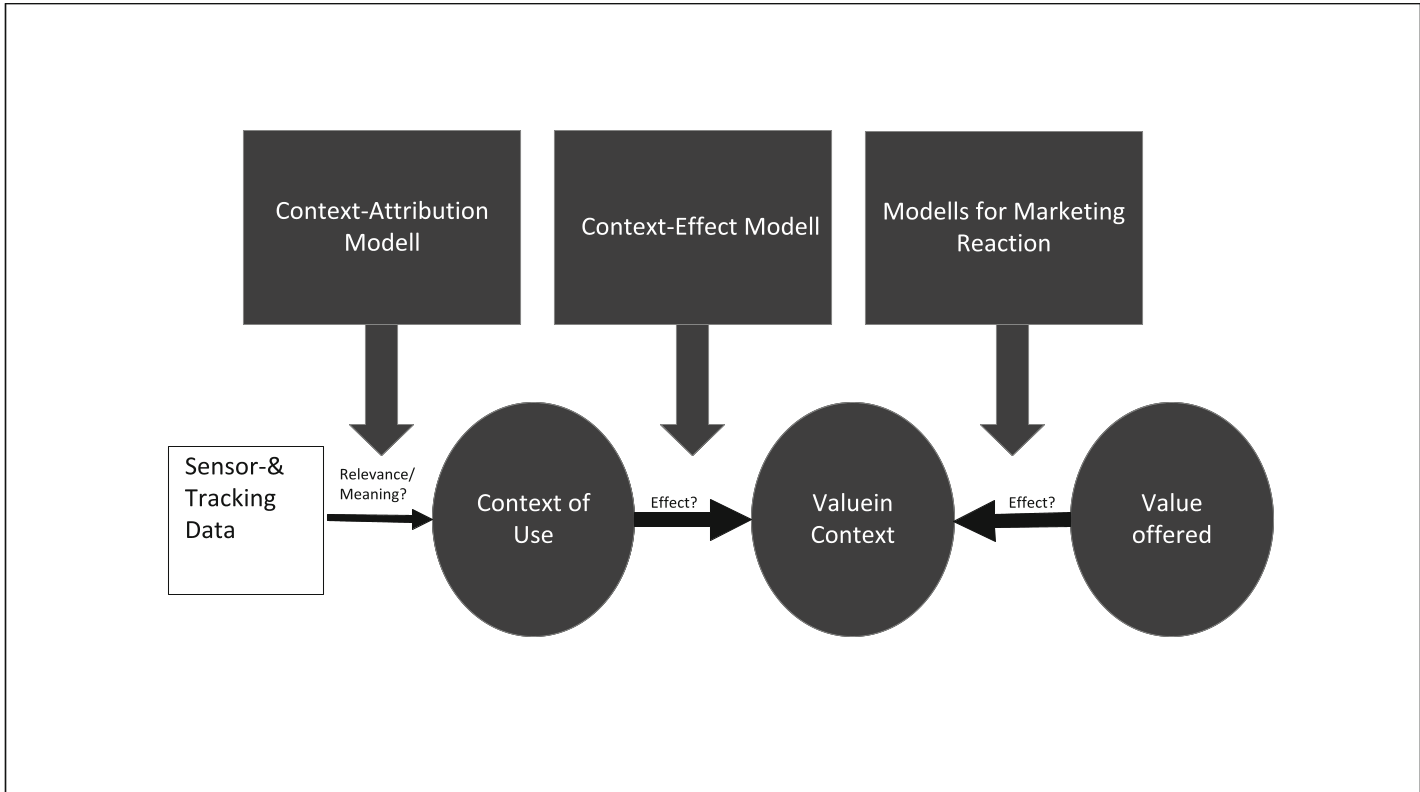 Figure 1: The interplay between context identification, value models, and automated response.
Introducing "Brand Viscosity"
The paper’s most innovative contribution is Brand Viscosity. In physics, viscosity describes a fluid's resistance to flow; in marketing, the authors use it to describe a brand’s flexibility.
A high-viscosity brand management system can modularize:
- Brand Substance: Adapting core functional or aesthetic perimeters (e.g., Google Doodles).
- Brand Image: Selecting specific symbols or language styles (e.g., professional vs. casual) based on the user's acute emotional state.
- Brand Relations: Adjusting the role of the provider (e.g., acting as an "expert advisor" during a crisis vs. a "silent tool" during routine tasks).
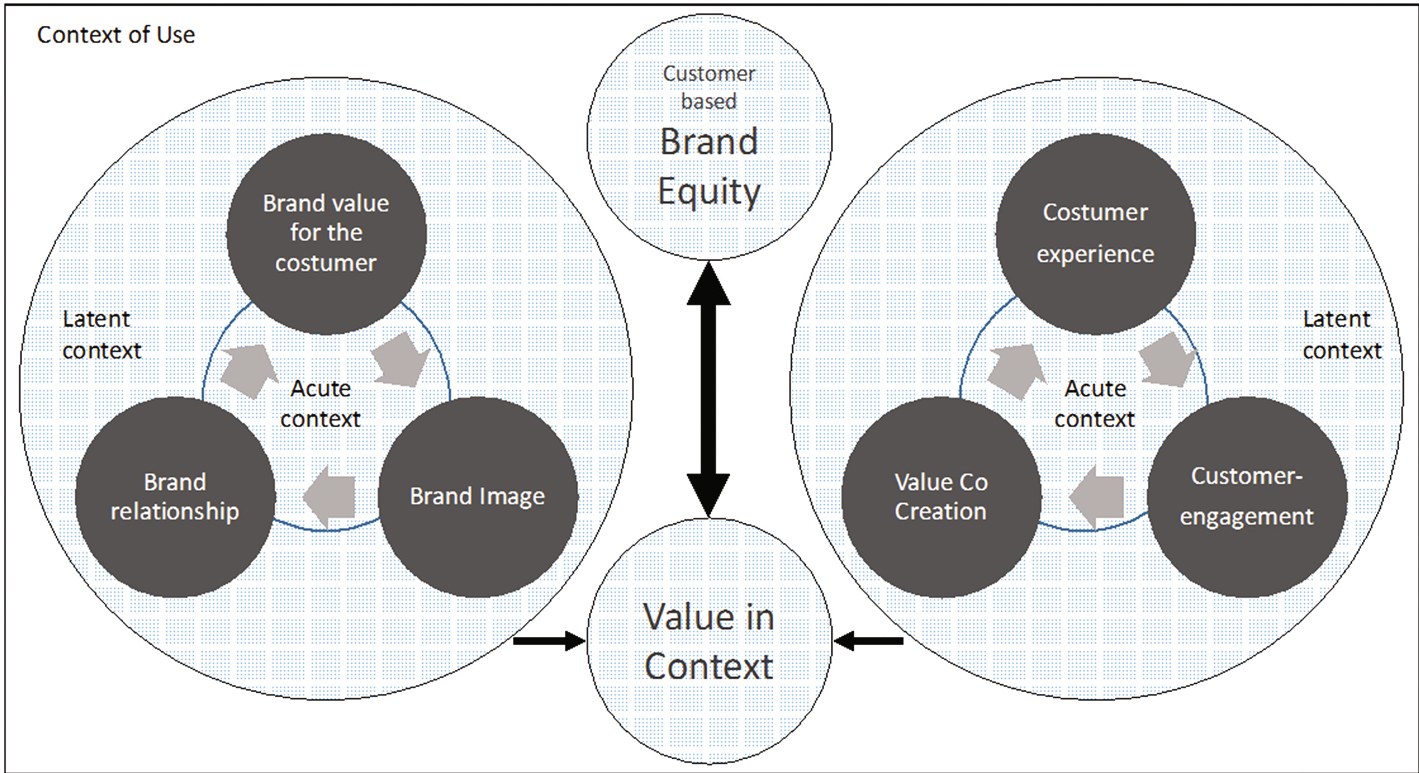 Figure 2: How Brand Viscosity and Customer Integration combine to create Customer-Based Brand Value.
Critical Insight: The Customer as a Co-Creator
The paper emphasizes that a brand no longer "belongs" to a company; it is an experience co-created with the user. Customer Integration depends on the user's willingness to provide resources (time, data, attention) in the moment. The framework suggests that "Hedonic" brands (focused on pleasure) can demand more emotional investment than "Functional" brands, and marketing algorithms must be tuned to these different "Interaction-related Customer Engagements."
Summary & Future Outlook
The essence of the paper is distilled into a powerful closing thought: "Strong brands shape the context. Weak brands are formed by the context!"
While the framework provides a robust theoretical structure, the primary challenge remains the ethical and technical implementation of "Context Attribution." Detecting a user’s "acute emotional condition" accurately without being intrusive is the "Holy Grail" that will determine the success of these real-time marketing systems.
Future Research Directions:
- Implementing Privacy-Preserving Context Detection (Federated Learning).
- Quantifying the "Brand Dilution" risk when Brand Viscosity is too high (losing the core identity).
- Developing standardized Ontologies for Acute Context factors in specific industries (e.g., Fintech vs. Entertainment).