Context Weaver: Transforming Mobile Crowdsourcing from Data Collection to Collaborative Exploration
Context Weaver: Awareness and feedback in networked mobile crowdsourcing tools
Context Weaver is a networked mobile crowdsourcing framework designed to support collaborative exploration for solving "wicked" urban problems. It introduces a tripartite workflow—Planning, Fieldwork, and Analysis—integrated through dynamic social tagging and a mobile tabletop interface to foster mutual awareness and rapid feedback among participants.
TL;DR
Mobile crowdsourcing is often relegated to simple data collection, but real-world urban problems are "wicked" and require exploration. Context Weaver is a novel system that connects mobile participants through a structured workflow of Planning, Fieldwork, and Analysis. By utilizing dynamic social tagging and in-situ tablet discussions, it turns a pool of individual workers into a creative network capable of finding deep insights and novel solutions for local communities.
The "Wicked" Problem in Urban Sensing
The current landscape of mobile crowdsourcing—exemplified by apps like FixMyStreet—treats users as passive sensors. You see a pothole, you report it. However, the authors argue that urban design and civic participation involve "wicked problems" where the solution isn't clear from the start.
Existing systems suffer from:
- Isolation: Participants don't know what others are doing, leading to redundant data or missed perspectives.
- Lag: Analysis usually happens days or weeks after data collection, losing the "contextual heat" of the fieldwork.
- Rigidity: Tasks are pre-defined, leaving no room for opportunistic discoveries.
Methodology: The Context Weaver Framework
The authors propose a system that moves beyond the "Sense-and-Send" model. They introduce two primary tools:
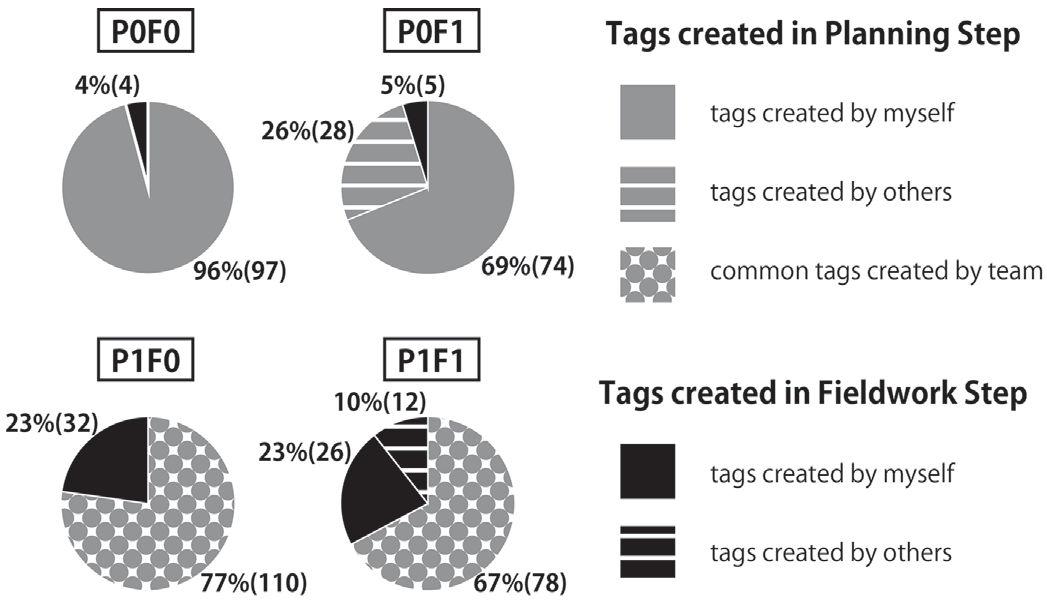
- Scene Memo: A mobile app for taking photos and applying tags. It supports three sharing modes: fixed tags (M1), private tags (M2), and shared tags (M3).
- Discussion Table: A tabletop interface on a tablet that allows participants to gather in the field, organize their collected photos, and build consensus immediately.
The Feedback Loop
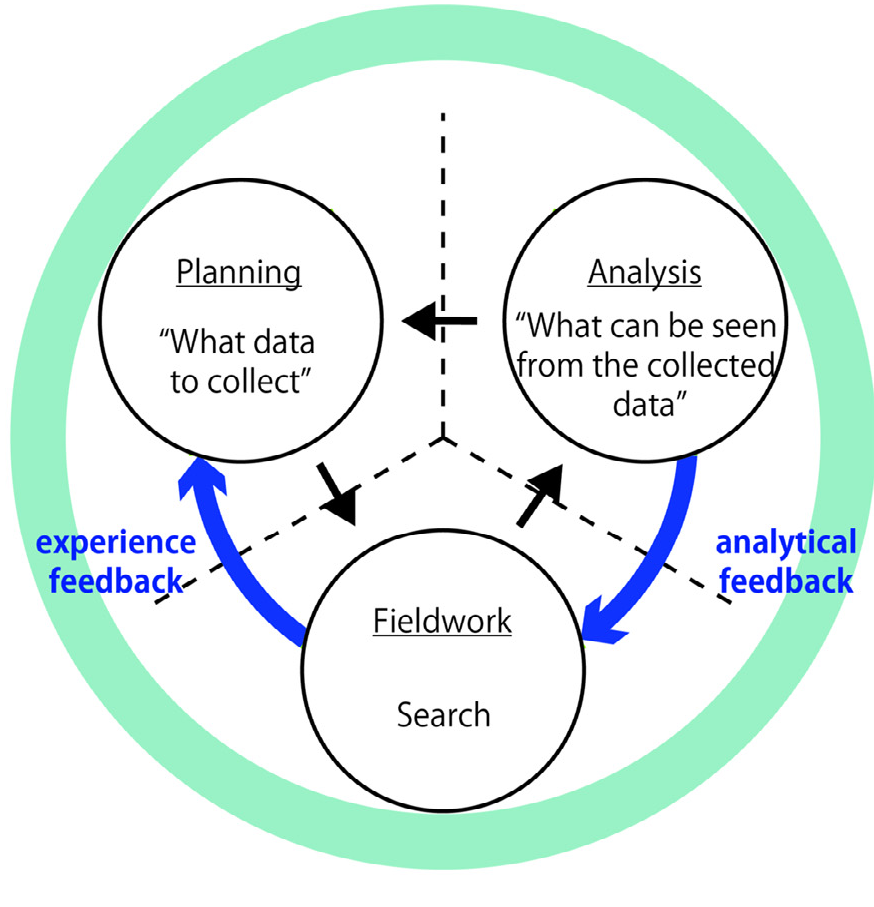
The methodology is centered on two types of feedback:
- Experiential Feedback: Fieldwork experiences inform the next planning phase through newly discovered tags.
- Analytical Feedback: Insights from group discussions on the "Discussion Table" change how participants look at the field in subsequent rounds.
Insights from the Field
The researchers conducted trials where participants aimed to improve university campus environments. They tested different variables: private vs. shared tags and pre-planned vs. in-situ planning.
1. The Trap of the "Checklist"
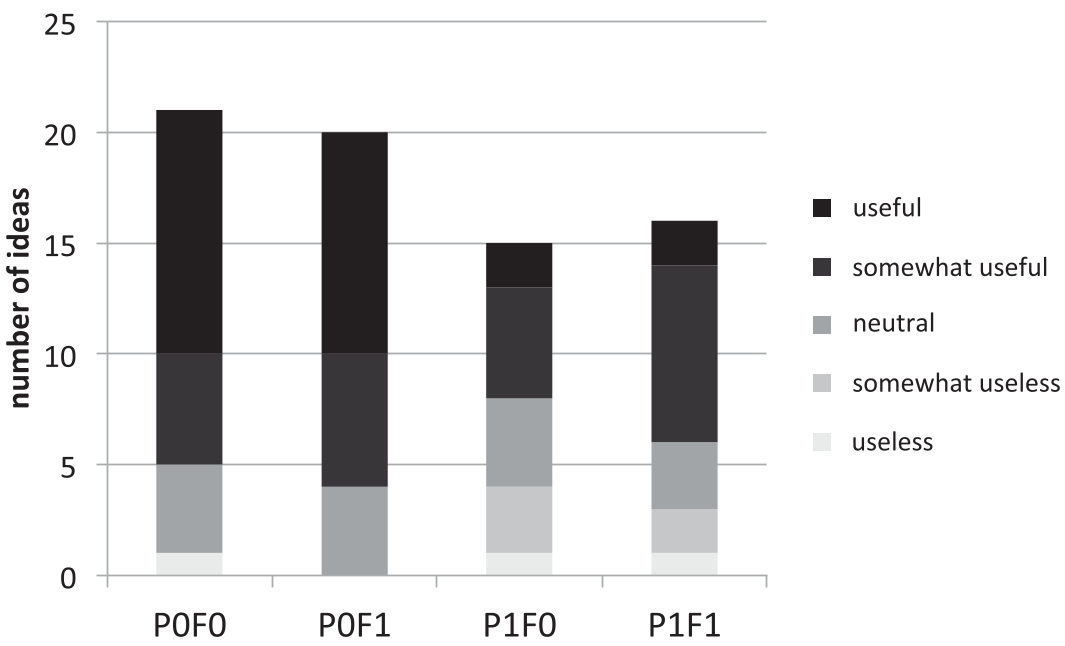
One of the most striking findings was that when teams were forced to agree on shared tags before entering the field (Condition P1), they often felt restricted. Participants described these tags as "checklist items" that they followed blindly, which actually decreased the creativity and number of unique ideas generated.
2. The Power of In-Situ Analysis
Traditionally, analysis happens in a lab. Context Weaver brings the "lab" to the park/street. The study found that 97% of participants discovered something new during the analysis phase while still on-site. This immediate reflection allowed them to see the environment through the "alternative lens" provided by their peers' tags.
Critical Analysis: Awareness vs. Autonomy
The paper highlights a delicate balance between Mutual Awareness and Private Autonomy.
- Shared tags foster a "sense of togetherness" and reduce redundancy (preventing five people from taking the same photo of one broken bench).
- Private tags allow for "detailed" or "zoomed-in" concepts that a group might consensus-away during the planning phase.
The authors conclude that a "right blending" of private and connected moments is essential. Successful exploratory crowdsourcing doesn't mean being connected 100% of the time; it means having structured "rendezvous" points to synchronize mental models.
Conclusion & Future Work
Context Weaver demonstrates that mobile crowdsourcing can be a tool for collective creativity, not just manual labor. For future developers, the takeaway is clear: don't just build a data collector; build a collaboration engine.
The authors suggest that future research should explore how to scale this to larger, asynchronous groups and how to match participants based on social factors to further enhance the "wisdom of the crowd."