
From Manuals to Messages: Bridging the Gap for Conversational AI in Corporate e-Learning
Conversational AI for Corporate e-Learning
The paper introduces a novel Conversational AI service architecture tailored for corporate e-learning, bridging the gap between academic Intelligent Tutoring Systems (ITS) and industrial practice. Utilizing a design science approach, the authors developed a prototype that automates the transformation of long-form corporate documents into micro-learning units accessible via a chat interface.
TL;DR
Despite the explosion of chatbots in customer support, corporate e-learning remains stuck in the era of "death by PowerPoint." This paper introduces a specialized service architecture designed to turn stale corporate documents into interactive, chat-based tutoring experiences. By focusing on Easy Authoring and Micro-Learning, the authors provide a blueprint for deploying Conversational AI without the astronomical costs typically associated with Intelligent Tutoring Systems (ITS).
The Motivation: Why Corporate e-Learning is Broken
In the academic world, Natural Language Tutors like AutoTutor have existed for years. However, they rarely survive in the wild. Why?
- High Implementation Costs: Building a tutor for a specific domain requires massive manual labor.
- Rigid Hierarchies: Existing Learning Management Systems (LMS) treat content as static files rather than dynamic knowledge.
- The Context Gap: Employees don't want a 40-minute course; they want a 2-minute "just-in-time" answer during their workflow.
The authors identify a critical missing link: the ability to transform existing corporate artifacts (manuals, SOPs, guides) into interactive dialogues automatically.
Methodology: The Architecture of a Chat-Learner
The authors propose a microservice-oriented design that separates the "content ingestion" from the "user interaction."
1. The Service Chain
The system doesn't just "talk"; it processes. The pipeline includes an Admin Interface for document analysis, a PostgreSQL/Elasticsearch backend for structured retrieval, and a Conversational AI Platform (like Dialogflow or RASA) for intent matching.
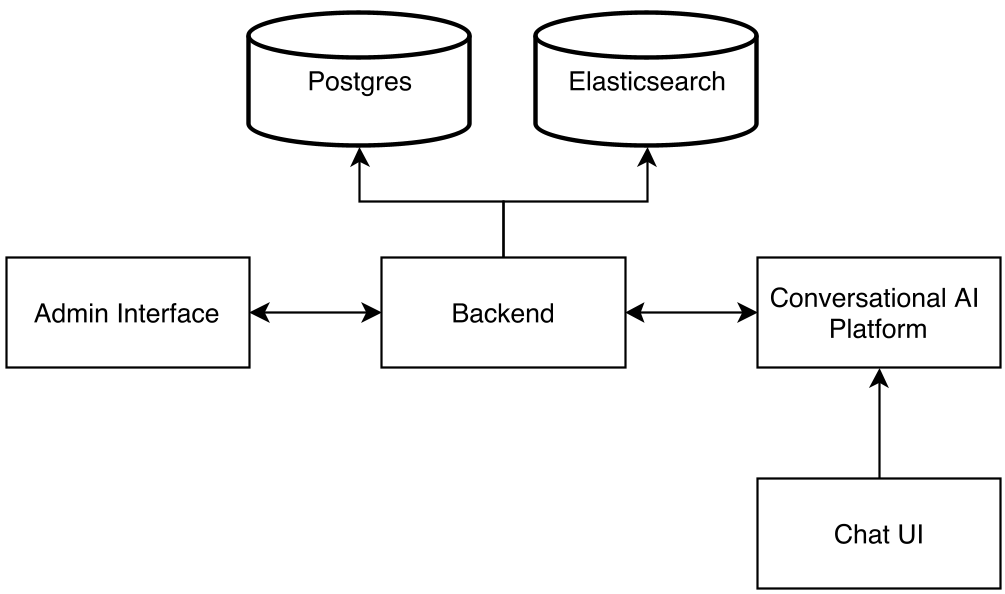 Figure 1: High-level microservice architecture connecting content management with the chat client.
2. The Intent Model
To make the tutor feel "intelligent," the authors trained a specialized intent model that governs the flow of learning:
- Search: Querying specific facts within a topic.
- Learn: An guided traversal of document units.
- Continue/Cancel: Managing the "Learning Context" so the bot remembers where the student left off.
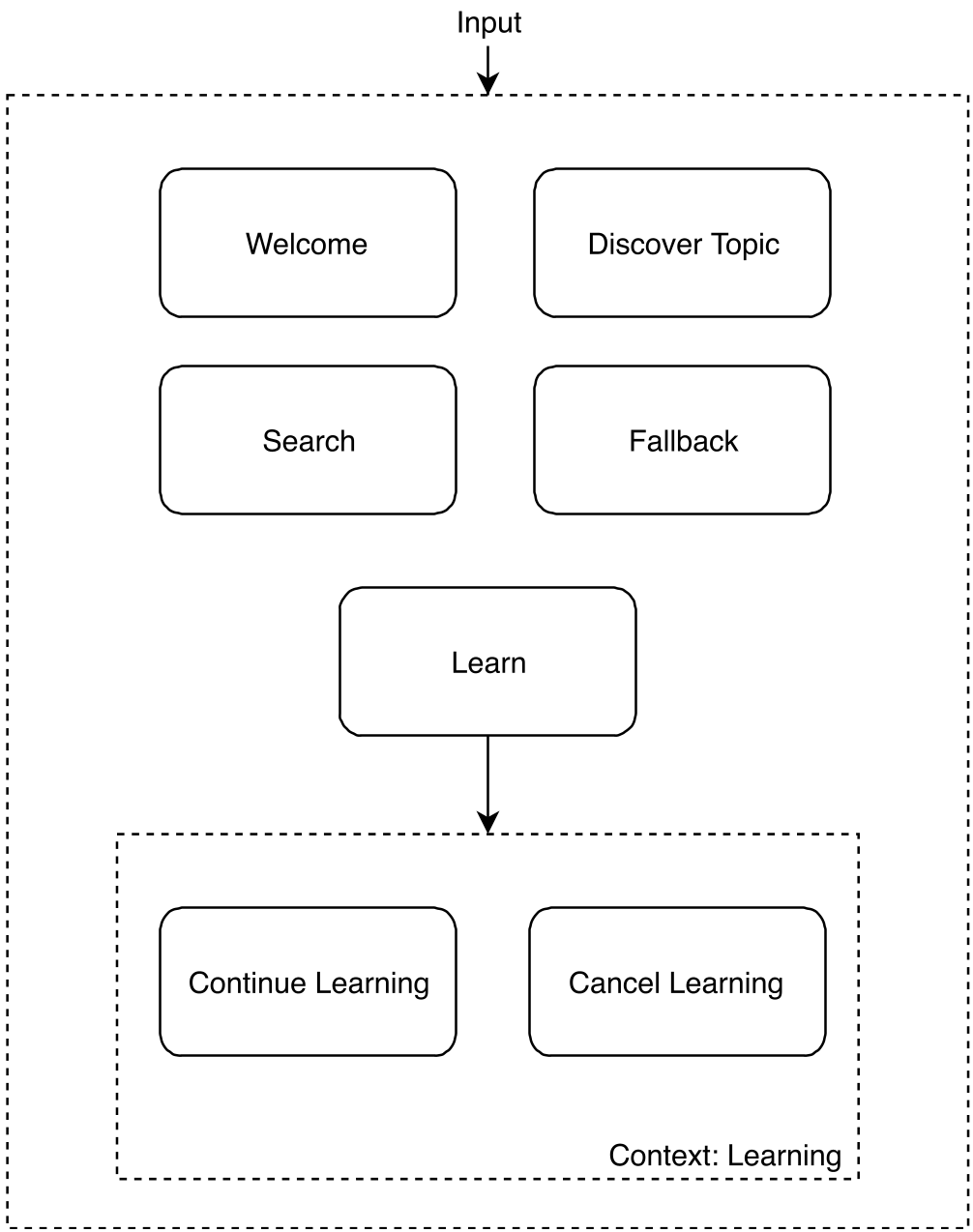 Figure 2: The preliminary intent model for managing learning states.
Experiments: Turning Manuals into Micro-Units
The core test of the system was its ability to optimize the "translation" of large documents. The prototype used an automated extractor to identify the hierarchy of a document (chapters, sections, subsections) and map them to discrete learning resources.
Results & UI Evidence
The Admin Interface allows providers to oversee this mapping. In their tests, the system significantly reduced "orchestration work"—the manual effort of tagging and slicing content.
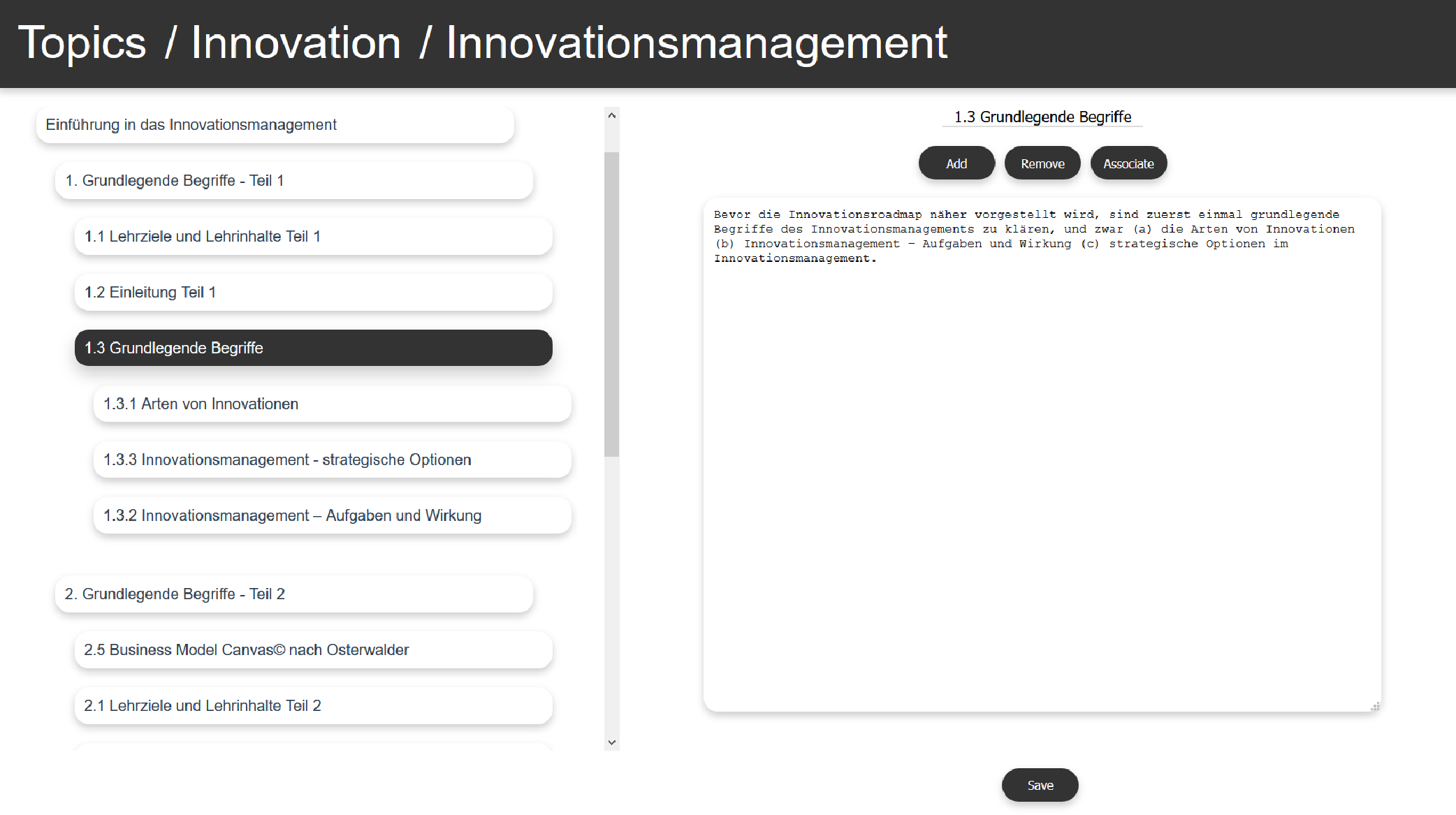 Figure 3: The Document Editor showing hierarchical tree structures extracted from corporate artifacts.
From the consumer's side, the interaction moves from searching through a PDF to a fluid dialogue, as seen in the prototype's UI:
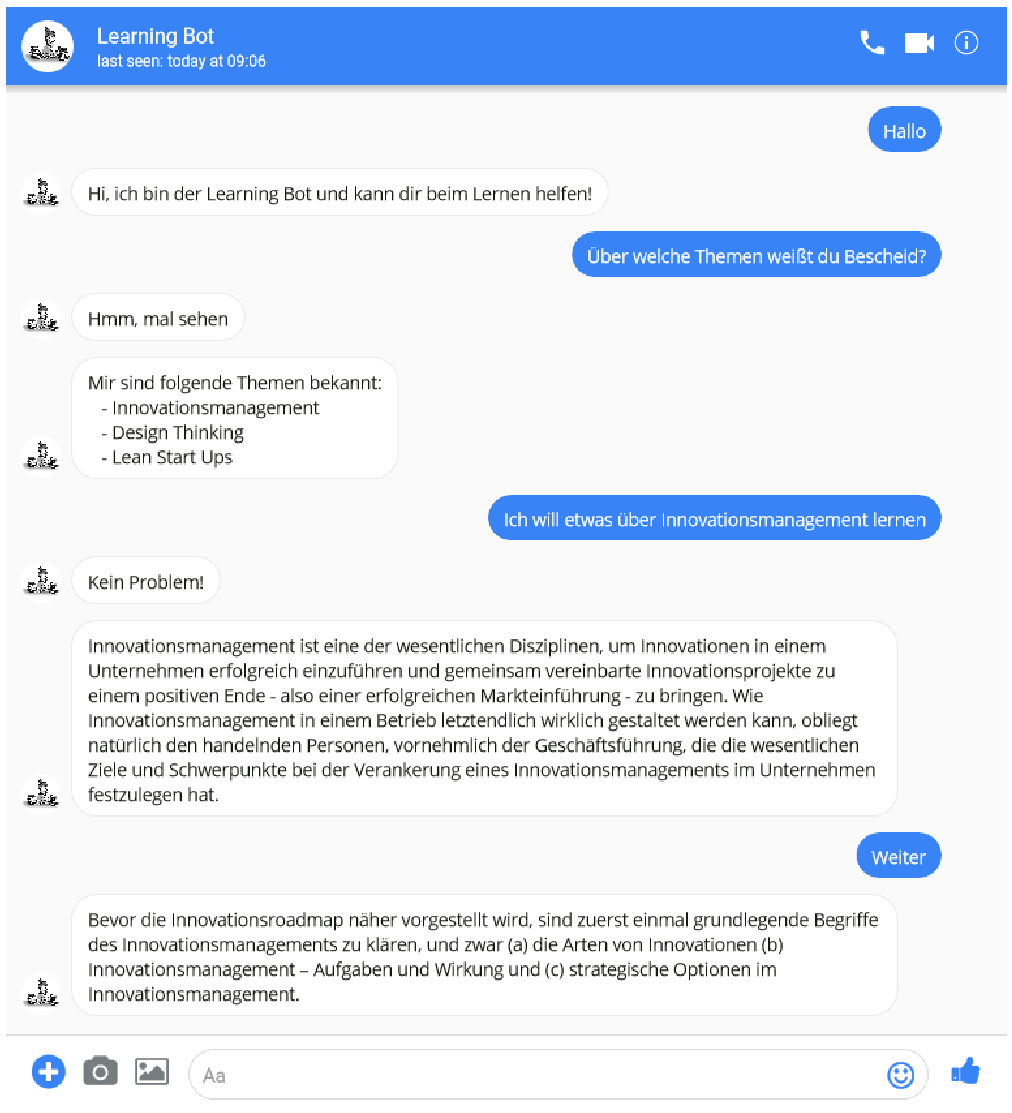 Figure 4: A learner discovering topics and initiating a guided learning session via chat.
Critical Analysis & Future Outlook
Takeaway
The true value of this work lies in its Design Science approach. It acknowledges that in a corporate setting, the Provider (the HR or Training manager) is as important as the Consumer. If content creation is hard, the system will never be used.
Limitations
Published in 2020, the paper relies on Intent-based NLP (Dialogflow). In the current era of LLMs (Large Language Models), much of the manual "Intent Training" would likely be replaced by RAG (Retrieval-Augmented Generation). However, the paper’s fundamental data model for "document-to-learning-unit" transformation remains a critical challenge even for modern AI.
Future Work
The authors plan to conduct "Wizard-of-Oz" studies to refine how learners naturally interact with these bots. For the industry, the next step is clearly the integration of Generative AI to make these tutors more empathetic and flexible in their responses.