
Craft, Computing & Culture: Beyond the Trope of Immateriality
Cra, computing & culture
This doctoral research investigates "Craft Techno-Cultures" by examining how digital technologies are integrated into traditional handcrafts like knitting and bookbinding. It argues that software and social networks are not just external tools but are treated as materials themselves, contributing to the longevity and value of cultural artifacts.
TL;DR
This research explores the intersection of traditional handcraft and digital technology, reframing IT not as a separate virtual layer but as a material integrated into the production of value. By studying knitters and bookbinders, Daniela K. Rosner uncovers how "Craft Techno-Cultures" emerge when digital tools are used to archive, organize, and sustain cultural identity, challenging the notion that digital media is inherently ephemeral.
Problem & Motivation: The "Immaterial" Fallacy
For decades, the digital world has been conceptualized as a weightless, "immaterial" realm of bits, distinct from the physical world of atoms. In the field of Computer Supported Cooperative Work (CSCW), this has led to a gap in understanding how technology interacts with traditional, material-heavy practices.
Prior work often fell into two traps:
- Materialist Determinism: Technology simply constrains what we can do.
- Social Constructivism: Culture alone dictates how technology is used.
Rosner argues that these views ignore the entanglement of the two. In the world of craft—where the feel of leather or the tension of yarn is paramount—technology isn't just a tool; it's a participant. The motivation here is to rescue digital technology from being seen as "superfluous" and instead recognize it as constitutive of culture itself.
Methodology: Entangled Ethnography
The author utilized a holistic, multi-sited study across the USA and UK, focusing on:
- Knitting Guilds: Examining how "high-tech" archiving meets "low-tech" production.
- Bookbinding Workshops: Looking at restoration as a site of sociotechnical negotiation.
By combining observation with critical design, the research moves beyond "desk research" to understand how crafters work with software as if it were another fabric or thread.
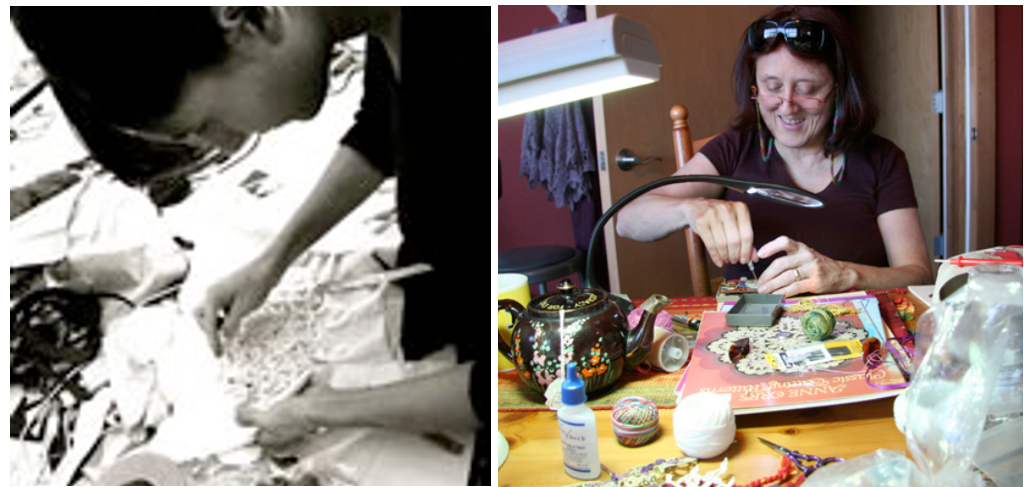 Figure 1: Fieldwork locations spanning workshops, homes, and social hangouts to capture the "everydayness" of craft practice.
Insights: Craft Techno-Cultures
The study reveals that the integration of IT is never neutral; it is a site of negotiation.
1. Sustaining Social Identity
In knitting guilds, IT was initially seen as an "imposition." However, it became essential for archiving organizational history—scanning patterns and storing by-laws. Here, the digital acts as a preservative for the physical community.
2. Rhythms of Delay and Humor
In bookbinding, IT (Email, Facebook, Cell phones) isn't just for "efficiency." Binders used these tools to manage client expectations and weave workaday rhythms—sometimes using technology to create "space" or "delays" that are necessary for the physical aging and curing processes of book restoration.
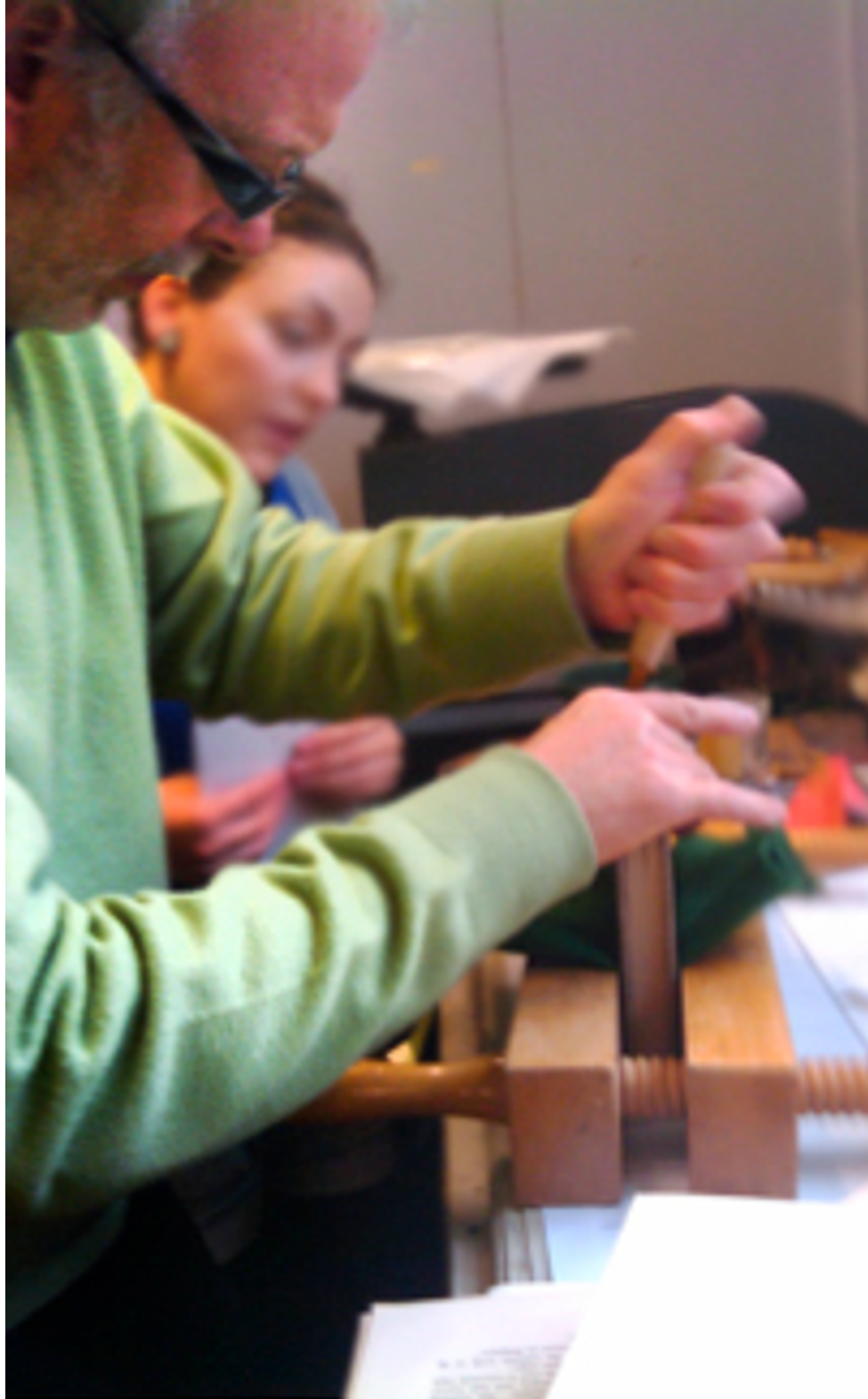 Figure 2: The articulation of craft practices with new technologies to form unique techno-cultures.
Results: Redefining Value
The key finding is that digital and non-digital materials are equal partners.
- Materiality of Bits: Drawing on Blanchette, the research proves that digital elements have an "emergent nature" that constrains and accommodates action just like physical leather.
- Longevity: Contrary to the idea of the "ephemeral web," IT was used to increase the longevity of cultural material.
Critical Analysis & Conclusion
Takeaway
This work provides a "conceptual scaffolding" for future HCI designers. It suggests that if we treat digital systems as "materials" rather than just "interfaces," we can design tools that respect the temporal and tactile nature of human skill.
Limitations & Future Work
As a doctoral colloquium paper, the focus is heavily qualitative. While it provides deep insight into social dynamics, a future challenge lies in translating these "material" insights into specific software features or tactile feedback devices that could assist crafters without "imposing" on their practice.
This research effectively bridges the gap between the "Shop Class" and the "Computer Lab," proving that even in our digital age, the soul of craft remains deeply material.