
Beyond the Grade: Comprehensive Insights into Student Performance Criteria
Comprehensive Insights Into the Criteria of Student Performance in Various Educational Domains
This paper presents a comprehensive systematic review and taxonomy of student performance evaluation across 12 educational domains, analyzing 178 articles from 2012 to 2017. It identifies the Medical and Engineering domains as the most researched areas and establishes a coherent classification for evaluation criteria such as GPA, Skills, and Attitudes.
TL;DR
This research provides a massive-scale taxonomy of how we actually measure student success. By analyzing 178 core studies across a five-year span, results show that while the Medical and Engineering fields are leading the charge in sophisticated Assessment, the shift from pure GPA to Skill-based evaluation is the defining trend of modern higher education.
Perspective: The Fragmentation of Assessment
In the academic ecosystem, everyone agrees that evaluation is the center of the learning process. However, the industry has been plagued by a lack of a unified "language" for assessment. Are we measuring what a student knows (Knowledge), what they can do (Skills), or how they behave (Attitudes)? This paper acts as a technical map, organizing these scattered methodologies into a coherent framework.
Methodology: Mapping the Taxonomy
The researchers didn't just list papers; they created a Cross-over Taxonomy. They filtered through nearly 2,800 records to find the high-signal research that specifically targets student appraisal.
The Structural Breakdown
The taxonomy splits evaluation into 12 domains:
- The Heavyweights: Medical (49%) and Engineering (12%).
- The Emerging: Computer Science, Business, and Landscape Design.
- The Criteria Matrix: Mapping Performance (GPA), Skills (Critical Thinking, Teamwork), and "Other" (Ethics, Attendance).
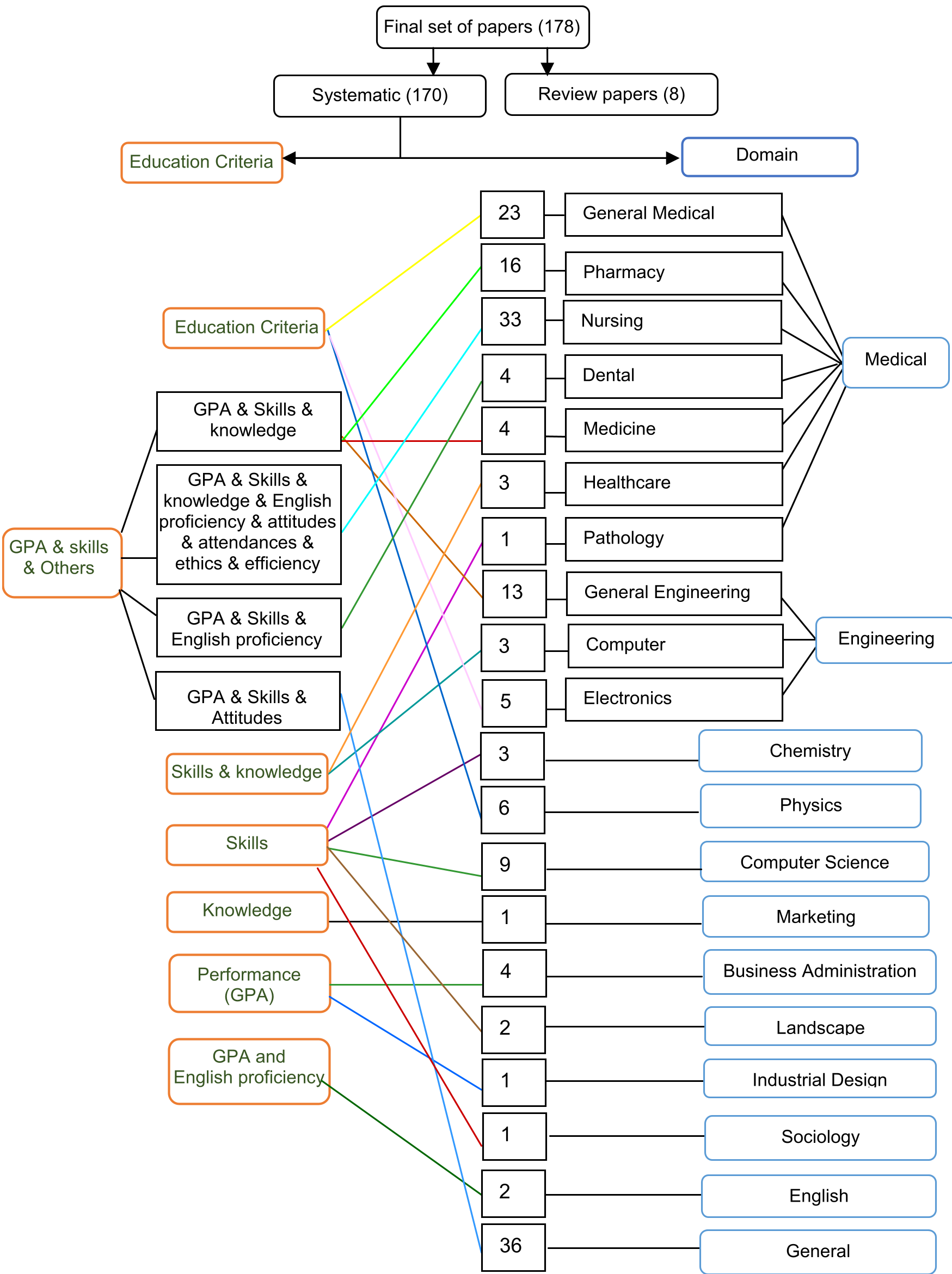
Figure 1: The cross-over taxonomy highlights how different domains prioritize different assessment dimensions.
The Core Challenge: Why is Evaluation Still Hard?
The authors identify several "Academic Pain Points" that prevent SOTA (State-Of-The-Art) evaluation from becoming standard:
- Communication Gaps: Language proficiency and evaluator-student misunderstanding can lead to "noisy" data.
- The Small Sample Problem: Especially in medical rotations, small cohorts make it difficult to generalize findings.
- Traditional Tools: Standard exams often fail to reflect actual workplace competency.
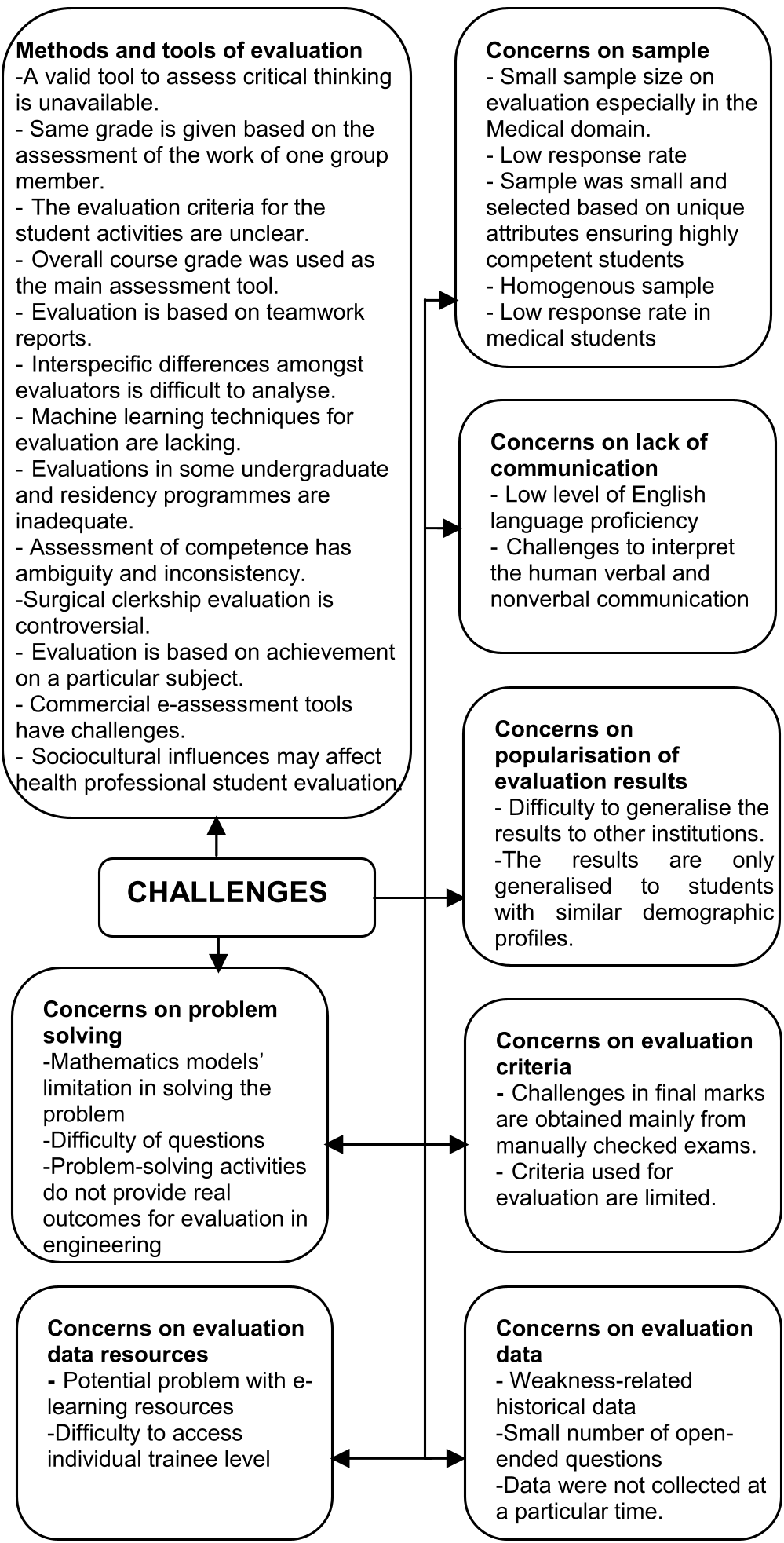
Figure 2: A summary of the bottlenecks preventing effective performance measurement.
Experimental Insight: Distribution of Research
The data shows a clear trend: research output peaked around 2014-2016, with the USA leading in author productivity. More importantly, the Nursing field within the Medical domain has become a "sandbox" for the most innovative assessment experiments, such as high-fidelity simulations and objective structured clinical examinations (OSCE).
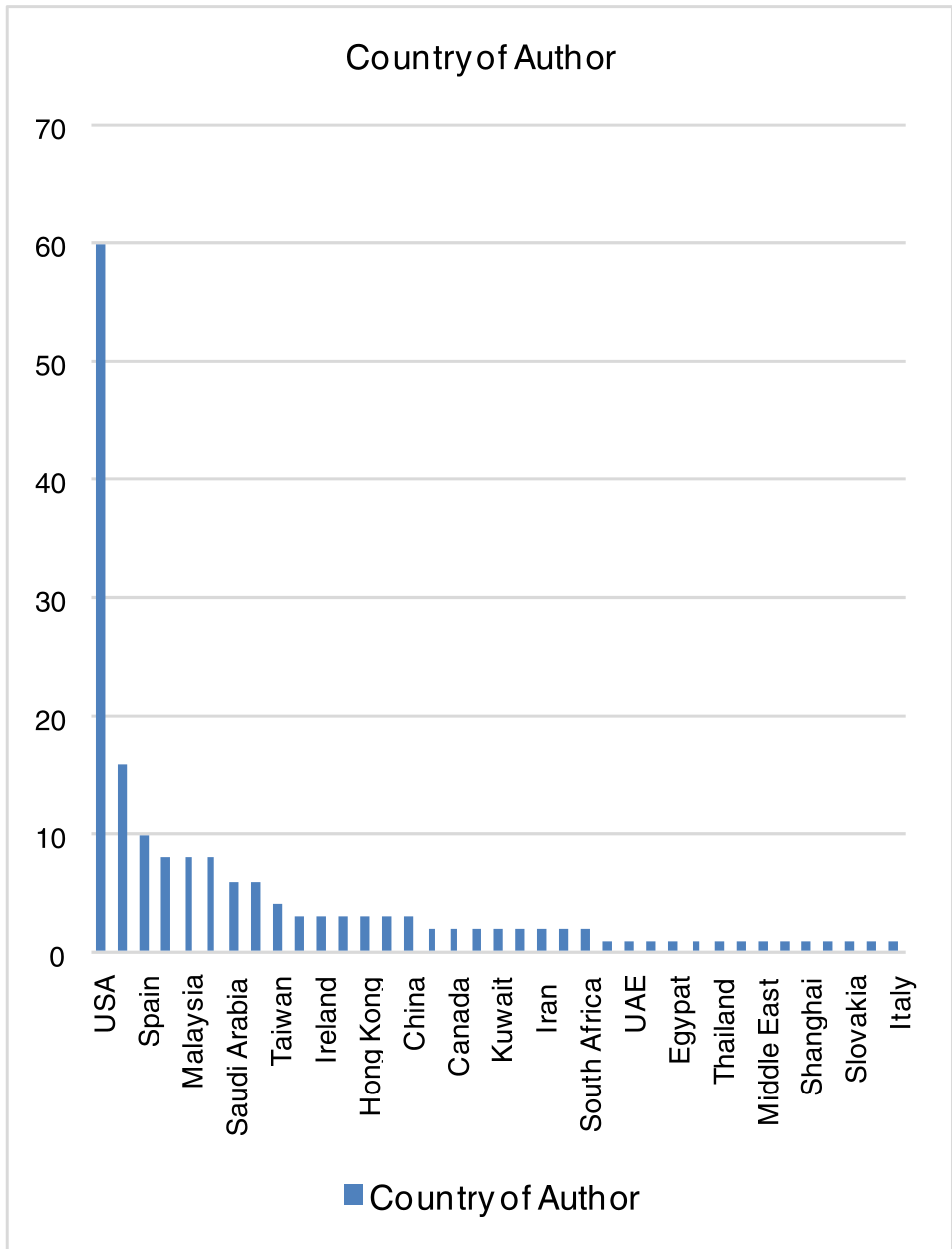
Figure 3: Medical and General domains dominate the literature, suggesting a gap in specialized vocational assessment.
Critical Insight & Future Outlook
The "Takeaway" is clear: Assessment is no longer a post-process event. It is being integrated into the curriculum via Information Technology.
- For Educators: The move toward Fuzzy Computing and Machine Learning to evaluate subjective performance (like "Critical Thinking") is the next frontier.
- For Policy Makers: There is a desperate need for Standardized Multi-dimensional Rubrics. We cannot continue to rely on "Hawks and Doves" (strict vs. lenient evaluators) to decide student futures.
Limitations
While comprehensive, the review is bound by the 2017 timeline. The recent explosion in Generative AI and Remote Learning Tools likely adds new layers to the "Criteria" taxonomy that were not visible in the 2012-2017 window.
Conclusion
This paper serves as an essential "Academic Coordinate System." By defining exactly what has been measured and where the gaps remain (specifically in non-medical vocational domains), it paves the way for a more objective, skill-driven future in global education.