
Beyond the "Decline" Narrative: Rethinking Technology for Active Ageing
Critical Reflections on Technology to Support Physical Activity Among Older Adults: An Exploration of Leading HCI Venues
This research-article presents a structured literature review of 22 papers from leading HCI venues (e.g., CHI, ASSETS, TACCESS) exploring technology for older adults' physical activity. It identifies a dominant "deficit-based" narrative and proposes a shift toward agency-driven and hedonic design.
TL;DR
Is technology for older adults helping them live better, or is it just "treating" the problem of getting old? A critical review of leading HCI research reveals a sobering truth: we have built an ecosystem of surveillance and prescription. This article explores why we need to move from "Exercise as Medicine" to "Exercise as Joy," shifting the focus from fixing deficits to fostering agency.
Background: The Policy of Paternalism
Contemporary ageing policy is obsessed with "Active Ageing"—an agenda driven by the economic fear of an ageing, "deficit-ridden" population. This narrative has trickled down into the Human-Computer Interaction (HCI) community. Instead of designing for the lived experience of older adults, we often design to mitigate the "financial pressures" they might place on healthcare systems.
The Problem: The "Dog Collar" Effect
The authors' structured search across top-tier venues like SIGCHI and SIGACCESS found a recurring theme: older adults are frequently reduced to a set of functional needs or medical conditions (e.g., "post-stroke," "dementia," "Parkinson's").
One of the most striking findings in the review was how users perceived these "helpful" devices. In one study, a wearable health monitor was described by an older participant as resembling a "dog collar." This highlights a fundamental disconnect: while researchers focus on the functionality of the sensor, the social stigma and aesthetic experience of the user are often ignored.
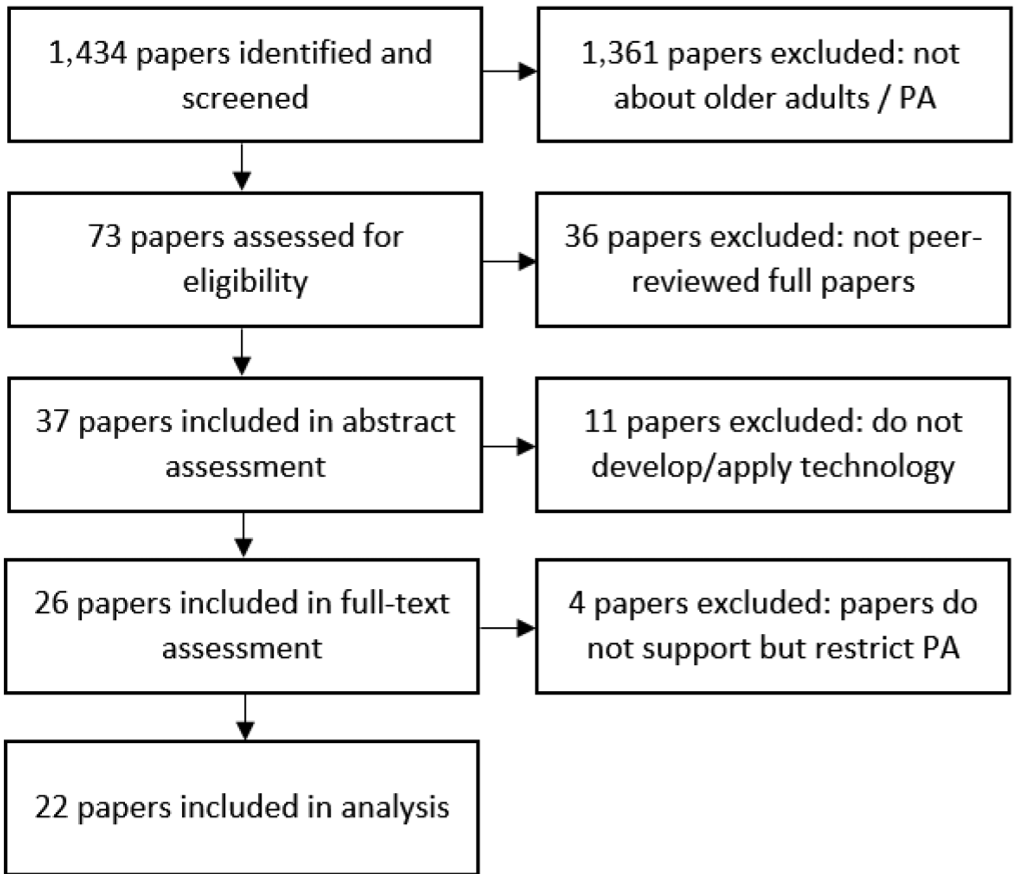 Figure 1: Comparison between the deficit-focused model (Decline) vs. a life-course approach (Agency).
Methodology: A Critical Audit of HCI
The authors didn't just look at what was built, but how it was justified. Using Thematic Analysis, they audited 18 unique technical systems.
Key findings included:
- Functionalism over Hedonisnm: Every single system retrieved had a medical or health-related goal. None were designed purely for fun or skill-building.
- Design by Proxy: Many researchers consulted therapists or carers instead of the older adults themselves, leading to "prescriptive" systems that dictate exactly how a person should move.
- The "Initiativitis" Trap: Much like in Sports Science, many HCI projects are short-term interventions that fail to measure long-term lifestyle changes or enjoyment.
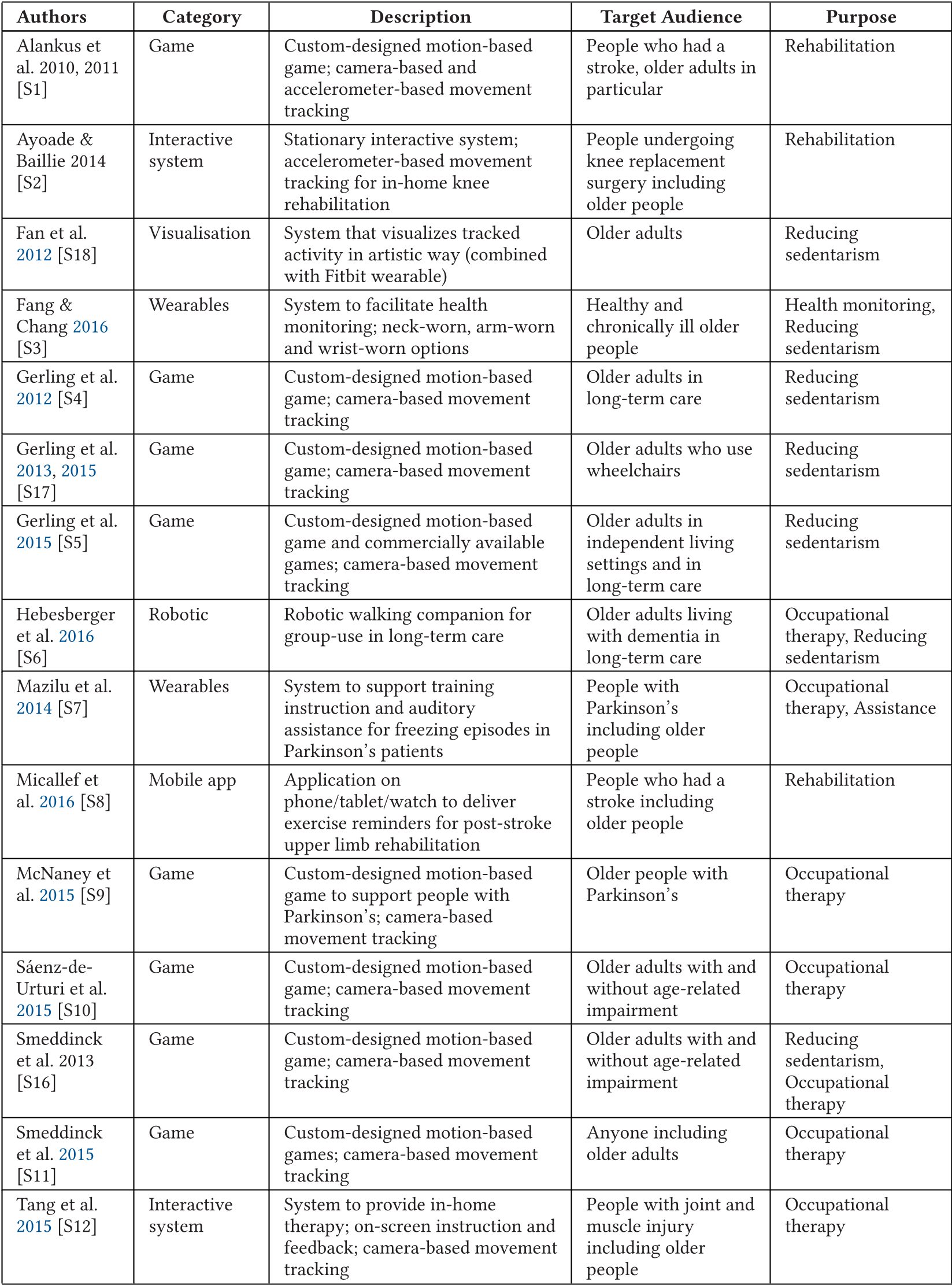 Table 1: The majority of systems focus on "Rehabilitation" and "Reducing Sedentarism," leaving no room for "Leisure."
Four Challenges for the Future of HCI
1. Choice vs. Prescription
Most "exergames" for seniors map gameplay to pre-defined therapeutic movements. The authors argue for Agency through Choice. If a user doesn't want to play a game today, the system should respect that, rather than framing it as "non-compliance."
2. Participatory Design is Mandatory
We must stop "Design by Proxy." Asking a therapist what a senior wants is not the same as asking the senior. The paper calls for moving toward Co-creation, where older adults are co-researchers, not just subjects.
3. Ability-Based Design
Instead of focusing on what is lost (Decline), we should focus on what remains (Strengths). Ability-based design dynamically adjusts to a user's daily performance, offering a "compassionate" interaction that fosters a sense of competence rather than reminding the user of their limitations.
4. Reconciling Functionalism and Hedonism
Why can't a rehabilitation tool be beautiful? Or an exercise app be about art? The authors suggest that Pleasure is a driver of activity. If we focus on the "Joy" first, the "Health" benefits will follow as a natural byproduct.
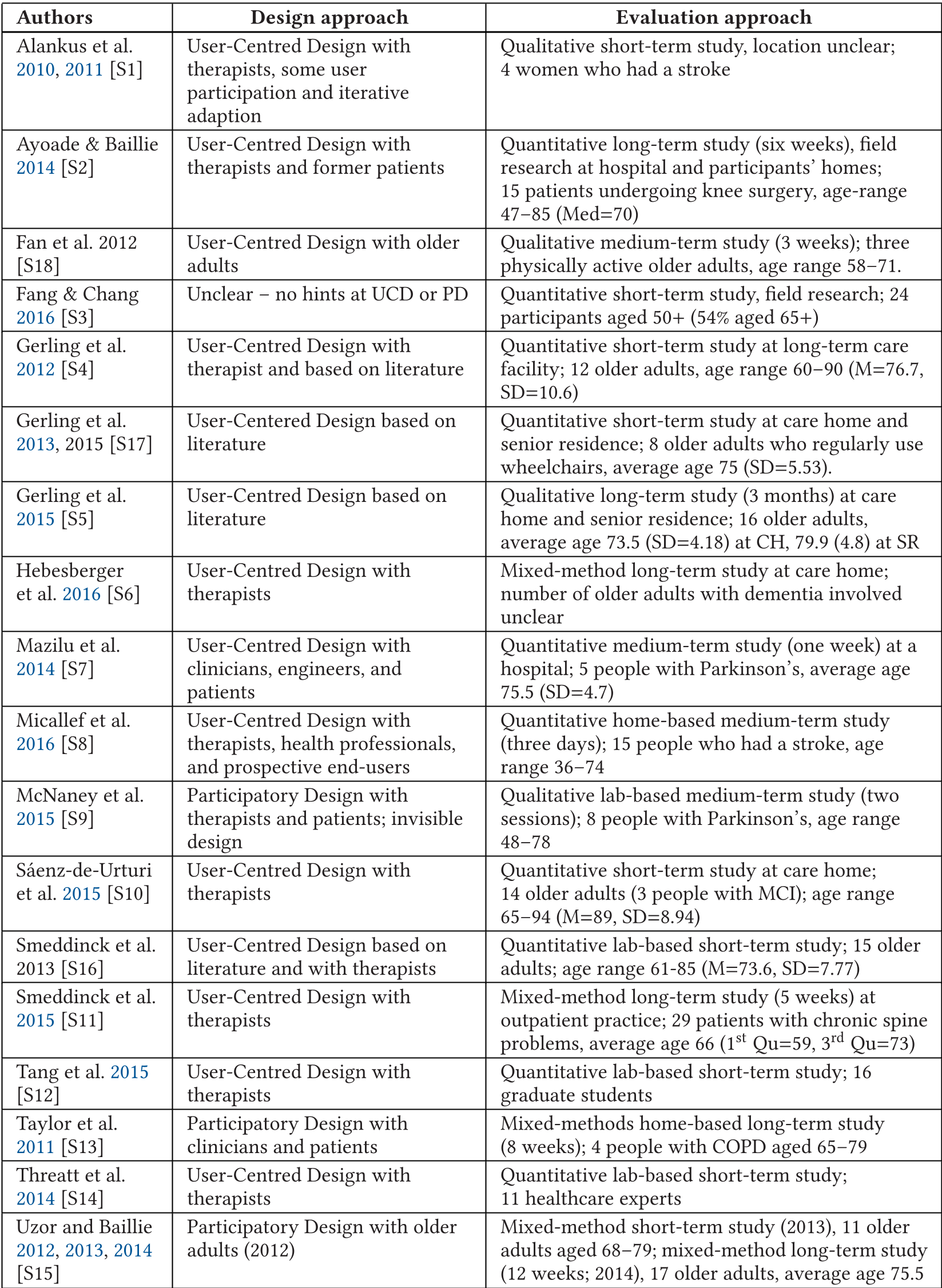 Table 2: Analysis of evaluation methods shows a lack of long-term studies in real-world settings.
Conclusion: A Call for Empathetic Innovation
The future of HCI for older adults should not be about "fixing" the elderly. It should be about creating empowering leisure experiences. We need to stop viewing the ageing body as a problem to be solved and start viewing the older adult as an active consumer with a right to play, grow, and choose.
Takeaway: If your design feels like a "medical intervention," it probably won't be part of someone's life for very long. Make it about the person, not the patient.