
KNN for Precision Agriculture: Bridging Soil Science and Machine Learning
Prediction of crop and yield in agriculture using machine learning technique
The paper presents a crop and yield prediction system using the K-Nearest Neighbors (KNN) algorithm. By analyzing soil nutrients (N, P, K, pH) and temperature, the method provides data-driven recommendations for optimal crop selection and fertilizer usage to maximize agricultural productivity.
TL;DR
As global food demand surges, traditional farming "instinct" is being replaced by data-driven precision. This paper proposes a Machine Learning framework using the K-Nearest Neighbors (KNN) algorithm to predict the most suitable crops and their expected yields. By focusing on a lean set of inputs—soil nutrients (N, P, K), pH, and temperature—the system provides farmers with actionable intelligence and specific fertilizer recommendations via a user-friendly web interface.
Problem & Motivation: The Gap in Traditional Farming
The agricultural sector faces a dual crisis: a rapidly expanding population (expected to grow by 60% by 2050) and increasingly volatile climatic conditions.
The authors identify several key pain points in current agricultural practices:
- Dependency on Experience: Farmers often choose crops based on tradition rather than the current chemical state of their soil.
- Imbalanced Chemical Use: Over-application or under-application of fertilizers (Nitrogen, Phosphorus, Potassium) degrades soil fertility over time.
- Complexity of Remote Sensing: While high-end satellite systems exist, they are often too complex or expensive for individual farmers in regions like India to access.
The research intuition here is simple but powerful: If we can quantify the "biological state" of a piece of land through essential soil markers, we can treat crop selection as a Pattern Recognition problem.
Methodology: Why KNN?
The core of this work lies in the K-Nearest Neighbors (KNN) algorithm. While many modern researchers jump straight to Deep Learning, the authors chose KNN for its interpretability and low computational cost.
The Architecture
The workflow is divided into three distinct stages:
- Data Pre-processing: Raw agricultural data is cleaned and normalized. The dataset is split (80/20) into training and testing sets.
- Feature Extraction: The system identifies the critical "Inductive Bias"—the belief that similar soil/weather conditions will yield similar results. The fundamental features used are:
- N-P-K Values: The macro-nutrients essential for growth.
- pH Level: Determining the acidity/alkalinity balance.
- Temperature: The primary climatic constraint.
- Classification & Prediction: For any new soil sample, the algorithm calculates the distance (typically Euclidean) to the nearest "K" samples in the training set and assigns the most frequent crop category () to that sample.
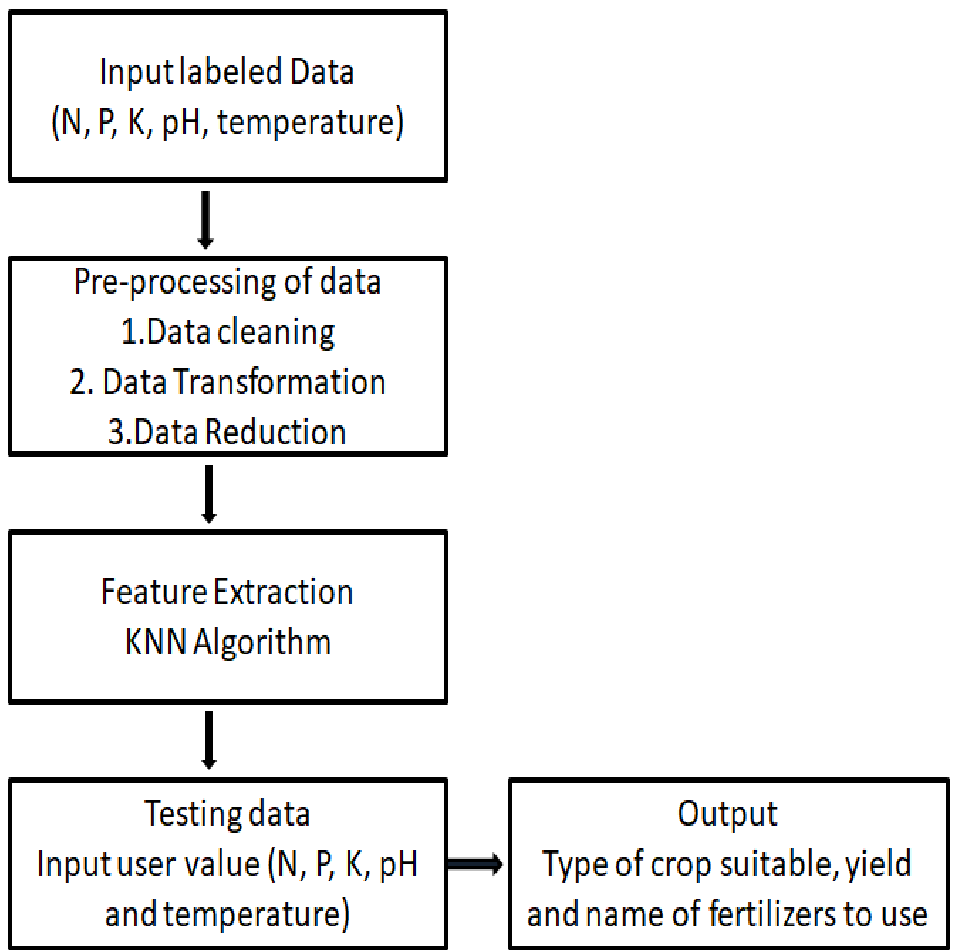 Fig 1: The Proposed Method Block Diagram
Experiments & Results: From Data to UI
The authors stress-tested their model using a dataset encompassing various Indian agro-climatic regions. A standout feature of this research is the implementation of a Bootstrap-based Web GUI, making the technology accessible to non-technical users.
Key Outputs:
- Crop Prediction: Identifying if the land is best suited for Garlic, Rice, Sugarcane, etc.
- Yield Estimation: Providing a numerical forecast of production (e.g., 426,000 units for Tomato).
- Nutrient Requirements: Transitioning from "What to grow" to "How to grow" by listing required percentages of Calcium, Magnesium, and Sulphur.
| N | P | K | pH | Temp | Predicted Crop | Expected Yield |
|---|---|---|---|---|---|---|
| 136 | 24 | 192 | 6.25 | 23 | Tomato | 426,000 |
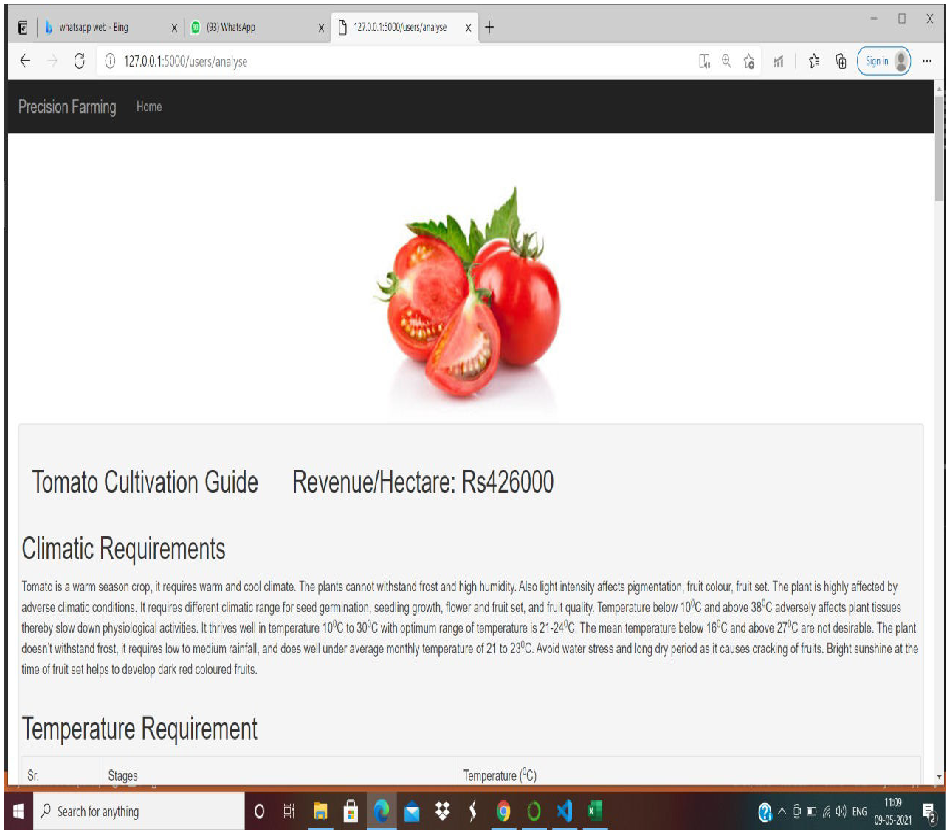 Fig 2: Output for Crop Type and Yield via GUI
Critical Analysis & Conclusion
Takeaway
The paper successfully demonstrates that high-accuracy agricultural forecasting doesn't always require massive neural networks. By using KNN, the authors provide a transparent mechanism where the "Why" behind a recommendation remains visible to the user.
Limitations
- Data Scarcity: The model is highly dependent on the quality of the local dataset.
- Climate Edge Cases: The current model does not account for "Black Swan" events like sudden floods or localized pest outbreaks.
- Static Features: Soil quality is treated as a snapshot; however, soil is a dynamic medium that changes throughout a growing season.
Future Outlook
Moving forward, integrating Geospatial analysis (GIS) and real-time IoT sensors into this KNN framework could transform it from a static prediction tool into a dynamic "Agri-Advisory" system. By adding spatial context, the model could predict not just what to grow, but when precisely to plant it based on live satellite weather feeds.