
Beyond the "Love Letter": Service Design and the Rise of Advertising Eventalization
The Study of Service Design with the Perspective of Cross-Cultural Based on the Advertising Events and the Brand Experience
This paper explores the evolution of service design and brand experience through "Advertising Eventalization" in the new media era. Focusing on cross-cultural consumer behavior, it proposes a transition from passive information reception to active user participation, validated through global brand cases (Coca-Cola, Microsoft) and local industrial design initiatives in the Yangtze River Delta.
TL;DR
In the digital age, traditional "one-way" advertising is dying. This paper argues that brands must shift from broadcasting messages to designing participatory events. By transforming consumers into partners and advertisements into experiential "events," enterprises can overcome media fragmentation and build deep emotional connections.
Background: The Crisis of Traditional "Love Letters"
The authors vividly describe traditional ads as "love letters" sent by enterprises to consumers. However, in the 2020s landscape, consumers are no longer reading them. With nearly 600 million net citizens (at the time of study) and the rise of social media, two major challenges have emerged:
- Declining Attention: Traditional media (TV, newspapers) has become "background noise" while internet platforms occupy prime time.
- Trust Deficit: People no longer believe corporate claims; they believe stories, peer reviews, and personal experiences.
Methodology: The Shift to Relationship-Level Connection
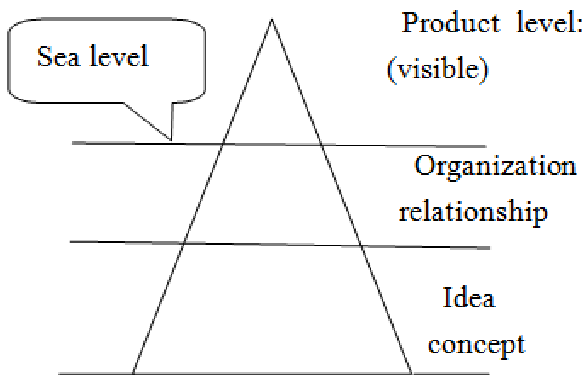
The core insight of the paper is the Iceberg Level of Product Transmission. While traditional ads stay at the tip of the iceberg (functional descriptions), successful Service Design dives below the "sea level" to reach the level of relationships and consumer ideas.
The methodology focuses on:
- User Motivation: Understanding the desire to escape daily routines through "fresh experiences."
- Flow Experience: Drawing on Csikszentmihalyi’s theory, the authors suggest that events should challenge users, providing a sense of achievement that simple consumption cannot.
- O2O Synergy: Using physical events to generate "digital topics" that are then amplified via social media.
Case Studies: When Ads Become Interaction
The paper analyzes two iconic global cases and one local industrial application:
- Coca-Cola’s "Friendship Vending Machine": By making a machine 3.5 meters tall, Coca-Cola forced friends to cooperate (forming a human ladder) to buy a drink. The "event" was the interaction; the "advertisement" was the shared laughter recorded and posted online.
- Microsoft Windows 8 "Slide": In a UK shopping mall, Microsoft installed a giant slide. The physical thrill of the "fast and funny" slide mirrored the OS software's value proposition without a single spoken word of sales pitch.
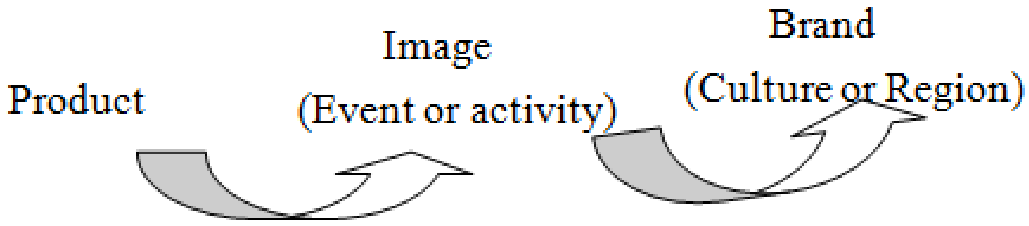
Deep Insight: "Design to Establish a County"
The authors extend their theory to the Shanghai-Yangtze River Delta industrial upgrade. They highlight how traditional industries (crystal, glass, needlework) in Baoying County transitioned from "low-value workshops" to modern brands.
- Cloud Platform (51design): Connecting designers directly with manufacturers.
- Service Innovation: Implementing QR code technology and interactive web design to turn craft products into cultural experiences.
Conclusion and Future Outlook
The study concludes that the era of "simple booming" (spending millions on TV spots) is over. The future of brand experience lies in:
- Participation over Reception: Making the consumer the "subject" of the story.
- Fact over Fiction: Moving from clever slogans ("language") to tangible experiences ("truth").
- Social Value: Brands like Starbucks and Nike succeed because they become "social stars" that people want to discuss, rather than ads they want to skip.
Takeaway for Designers: In the new media era, don't design an ad—design an event that makes the user feel like a hero.