
Crowdsourcing Rural India: Transforming the Last Mile into Community Gains
Crowdsourcing Advent to Optimize Supply Chain Network in Rural India
The paper proposes a digital supply chain framework optimized for rural India, utilizing crowdsourcing and Crowdshipping to bridge the "last-mile" delivery gap. It integrates local Common Service Centers (CSCs) with an Ant Colony Algorithm to optimize logistics routes and costs.
TL;DR
Rural India represents a nearly $2 trillion opportunity, yet it remains underserved due to a "supply chain wall." This paper proposes breaking that wall not with more trucks, but with Crowdshipping. By leveraging local villagers, Common Service Centers (CSCs), and path-optimization algorithms, the authors outline a blueprint for a decentralized, low-cost logistics network.
The Rural Paradox: High Demand, Low Reach
Currently, the Indian FMCG sector is heavily urban-centric, yet 70% of the population resides in rural areas. The "Digital India" push has brought millions online, but physical goods still get stuck in a maze of hierarchies.
The core friction points identified are:
- Low Affordability: Traditional logistics overhead makes small-ticket rural deliveries unprofitable.
- Infrastructure Deficit: Poor roads and lack of specialized storage.
- The Trust Gap: Rural consumers value local presence and cultural synchronization over distant corporate brands.
Methodology: The Crowdshipping Ecosystem
The authors propose a shift from professional logistics to an "Occasional Driver" model. Under this framework, a villager traveling their daily route can pick up a parcel from a hub and deliver it for a nominal fee.
The Proposed Architecture
The system relies on a tripartite synergy:
- CSC Centers: Acting as the digital and physical aggregation hubs.
- The Crowdshipping Platform: An IT layer that maps daily routes and assigns tasks.
- Ant Colony Optimization (ACO): A mathematical approach to finding the most efficient logistics path within a complex, unmapped rural network.
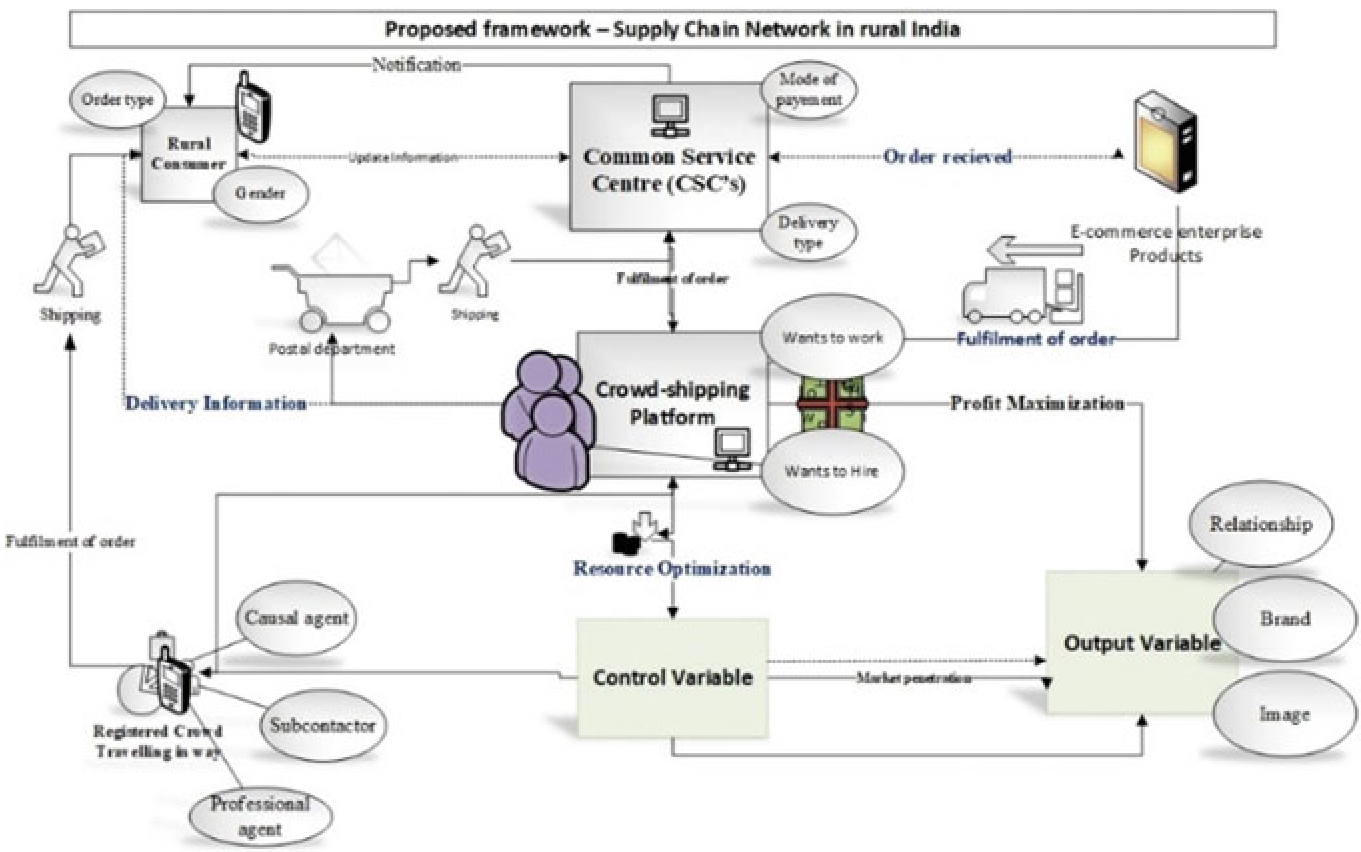 Figure 1: The digital supply chain distribution network for rural India.
Why It Works: Tapping Social Capital
The paper emphasizes that rural India isn't just a market; it's a social network. By using registered individuals who already possess "Social Capital" and trust within their villages, the model solves the safety and reliability issues that plague external delivery services.
Key Survey Insights
The authors conducted a survey in the Allahabad district to validate the human element of their model:
- Connectivity: 92% of respondents own smartphones, making app-based delivery coordination feasible.
- Motivation: There is a high frequency of vehicle ownership but a lack of structured business platforms for these owners to earn supplementary income.
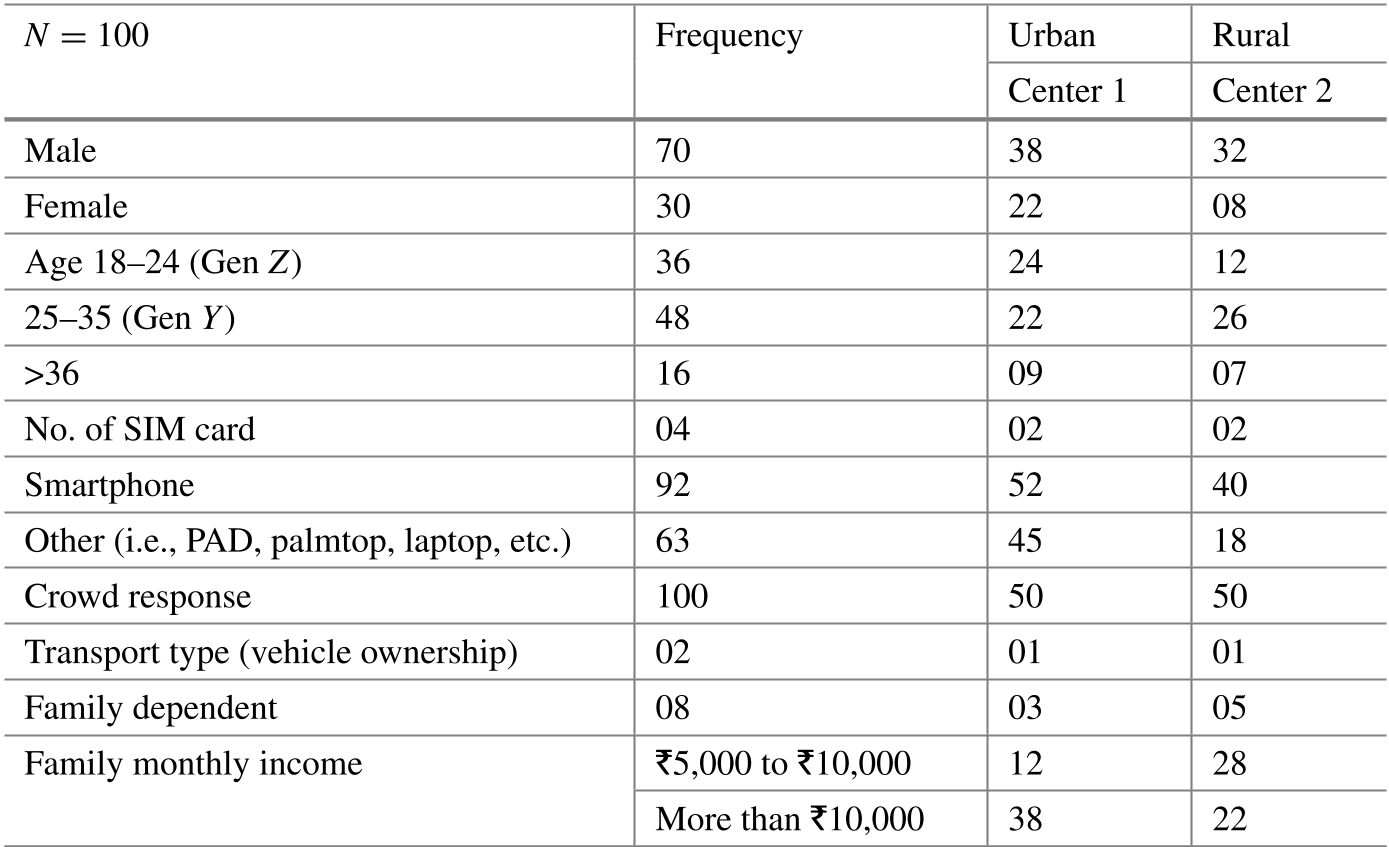 Table 1: Participant demographics showing the technological readiness of rural users.
Critical Insight & SOTA Comparison
Unlike Western Crowdshipping models (like Amazon Flex or Uber Works) which focus on "Gig Economy" efficiency in dense urban grids, this model focuses on Resource Optimization in sparse networks.
The leap here is the integration with Common Service Centers (CSCs). By anchoring the crowd to an existing government-backed physical touchpoint, the authors solve the "Reverse Logistics" and "Return Flow" problems—one of the biggest cost-traps in rural e-commerce.
Conclusion and Future Outlook
The study concludes that the "digital divide" is closing, but the "logistics divide" requires radical decentralization. Using an Ant Colony Algorithm to manage "part-time" drivers effectively turns a village's daily commute into a high-efficiency delivery network.
Future Directions: The next step involves the full implementation of the software architecture, integrating real-time GIS tracking and exploring how Goods and Service Tax (GST) complexities can be automated within the platform to lower the barrier for rural entrepreneurs.
Final Takeaway: Rural modernization doesn't need to look like urban industrialization; it can be built on the back of existing social movements and intelligent technology.