
Crowdsourcing the "Golden Hour": A Smartphone-Based Architecture for Emergency Reporting
An Application Framework of Crowdsourcing based Emergency Events Reporting in Smart Cities
The paper introduces a crowdsourcing-based emergency event reporting framework designed for smart cities to minimize pre-hospital trauma mortality. By utilizing participatory sensing via a dedicated smartphone application and a centralized server, it provides real-time alerts to emergency medical services (EMS) with optimized route details and incident specifics.
TL;DR
In trauma situations, seconds save lives. This paper proposes a dedicated mobile crowdsourcing framework that replaces unreliable voice calls with structured data reporting. By leveraging the GPS and sensors of nearby citizens (participatory sensing), it creates a real-time knowledge base that dispatches EMS with optimized routes and hospital data, significantly cutting down the pre-hospital delay that currently plagues developing metropolises.
Background: The Price of Silence
In Pakistan, the median time from a traumatic incident to hospital arrival is roughly 4.7 hours—nearly double the time in the United States. This "pre-hospital time" is the primary driver of mortality in smart cities. The bottleneck isn't just the lack of ambulances; it's the information gap. Traditional call centers struggle with witnesses who are too stressed to describe their location or the severity of the incident.
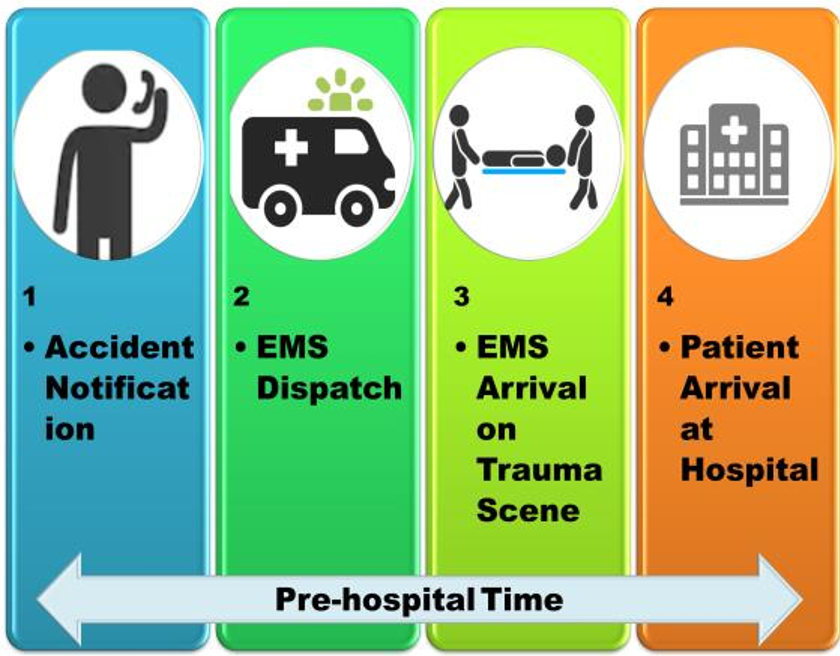 Fig 1: The breakdown of pre-hospital time intervals, highlighting the notification phase as the critical pivot.
The Core Insight: Humans as Sensors
The authors argue that we don't need expensive, city-wide hardware sensor networks (which suffer from battery issues and high costs). Instead, we can use the distributed intelligence of the crowd.
The framework moves beyond simple "social media scraping" (like monitoring Twitter or Weibo), which is often noisy and slow. Instead, it uses a dedicated app based on the 5Ws Model:
- What: Nature of incident (Fire, Crash, etc.).
- Where: Precise GPS coordinates.
- When: Automatic timestamps.
- Who: Number of victims.
- Why: Perceived cause (e.g., short circuit).
Methodology: The Framework Architecture
The system is split into a client-server relationship utilizing RESTful web services (GET, POST, etc.) to ensure high interoperability.
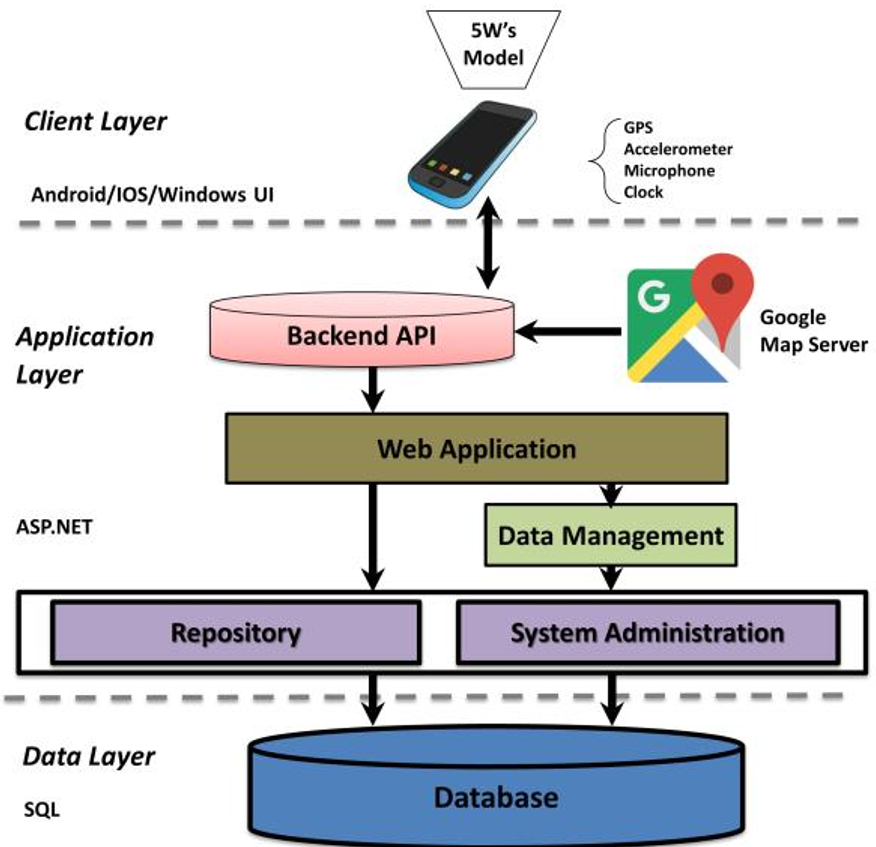 Fig 2: High-level architecture showing the flow from incident reporting to stakeholder action.
The Four pillars of the system:
- Participatory Sensing: Volunteers in the vicinity use their phones to trigger alerts. Multiple reports of the same event are merged via geohashing.
- Processing: A centralized server filters raw data into actionable knowledge.
- Decision Making: The server visualizes the incident for dispatch centers, showing the shortest route and the occupancy status of nearby burn wards or ICUs.
- Action: Push notifications are sent to EMS and law enforcement, while SMS broadcasts inform nearby traffic to clear the way.
Comparative Results: Speed and Adaptability
The authors compared their work against existing benchmarks like Ushahidi (Haiti Earthquake) and Weibo-based systems. While those systems require manual categorization or are platform-locked, this framework offers:
- High Flexibility: Automated categorization of incident types.
- High Adaptability: Supports multiple service types (Ambulance, Fire, Police).
- Low Reporting Time: Eliminates the delay of human-in-the-loop social media analysis.
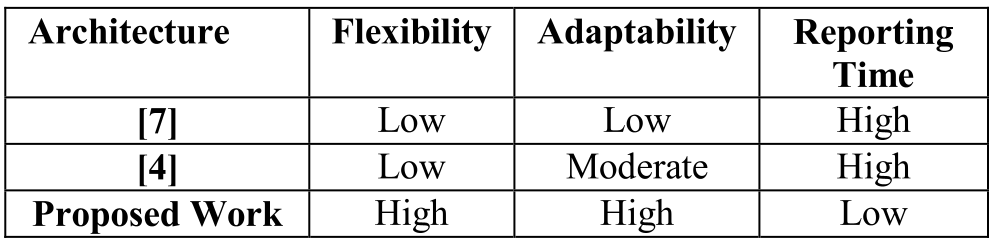 Table 1: Qualitative comparison between the proposed work and existing crowdsourcing platforms.
Critical Insight & Future Outlook
The true value of this work lies in its semantic structure. By forcing data into the 5Ws format at the point of entry, it removes the ambiguity of human speech under stress.
Future Work & Limitations: Currently, the system relies on the "goodwill" of volunteers and doesn't deeply address data veracity (preventing fake reports). The authors suggest that the next evolution will involve Machine Learning to predict incident hotspots and Big Data Analytics to automate the validation of incoming reports by cross-referencing multiple crowdsourced inputs.
Takeaway
This framework provides a blueprint for transforming urban safety from a reactive "call-and-respond" model to a proactive, data-driven ecosystem. In the future of smart cities, every citizen becomes a vital link in the chain of survival.