
Beyond the Consumer Classroom: Crowdsourcing Education via the "Student as Producer" Model
Crowdsourcing content creation in the classroom
This article presents a participatory action research framework for "crowdsourcing content creation" in higher education, integrating the "student as producer" model. Implemented in an undergraduate psychology course, it utilized a public blog and video production to transform students from passive consumers into active creators of educational resources, achieving high engagement and improved learning outcomes.
TL;DR
Higher education is at a crossroads between passive content consumption and active knowledge production. Thomas T. Hills proposes a framework that turns students into a "crowd" of content creators. By identifying real-world applications of psychology (Found Content) and producing pro-social media, students leverage the Generation Effect to bridge the gap between academic theory and daily life.
Background: The Crisis of "Learning as Consumption"
Modern educational technology often inadvertently reduces students to "point-and-click robots" in digital Skinner boxes. Most tablets and apps are designed for consumption, not production. This "closed system" limits cognitive engagement. Hills argues that for education to persist beyond the final exam, it must move toward an open system where students generate information rather than just selecting it from a multiple-choice list.
Methodology: The Psychology of Crowdsourcing
The framework is anchored in three core principles of cognitive psychology:
- The Testing Effect (Retrievability): Actively searching for "Content in the Wild" acts as a self-imposed test, strengthening the neural pathways between a cue (e.g., a door-to-door fundraiser) and a concept (e.g., the Door-in-the-Face technique).
- The Generation Effect: Information is better remembered when it is self-generated. By finding their own examples, students create "mediators" tied to their personal experiences.
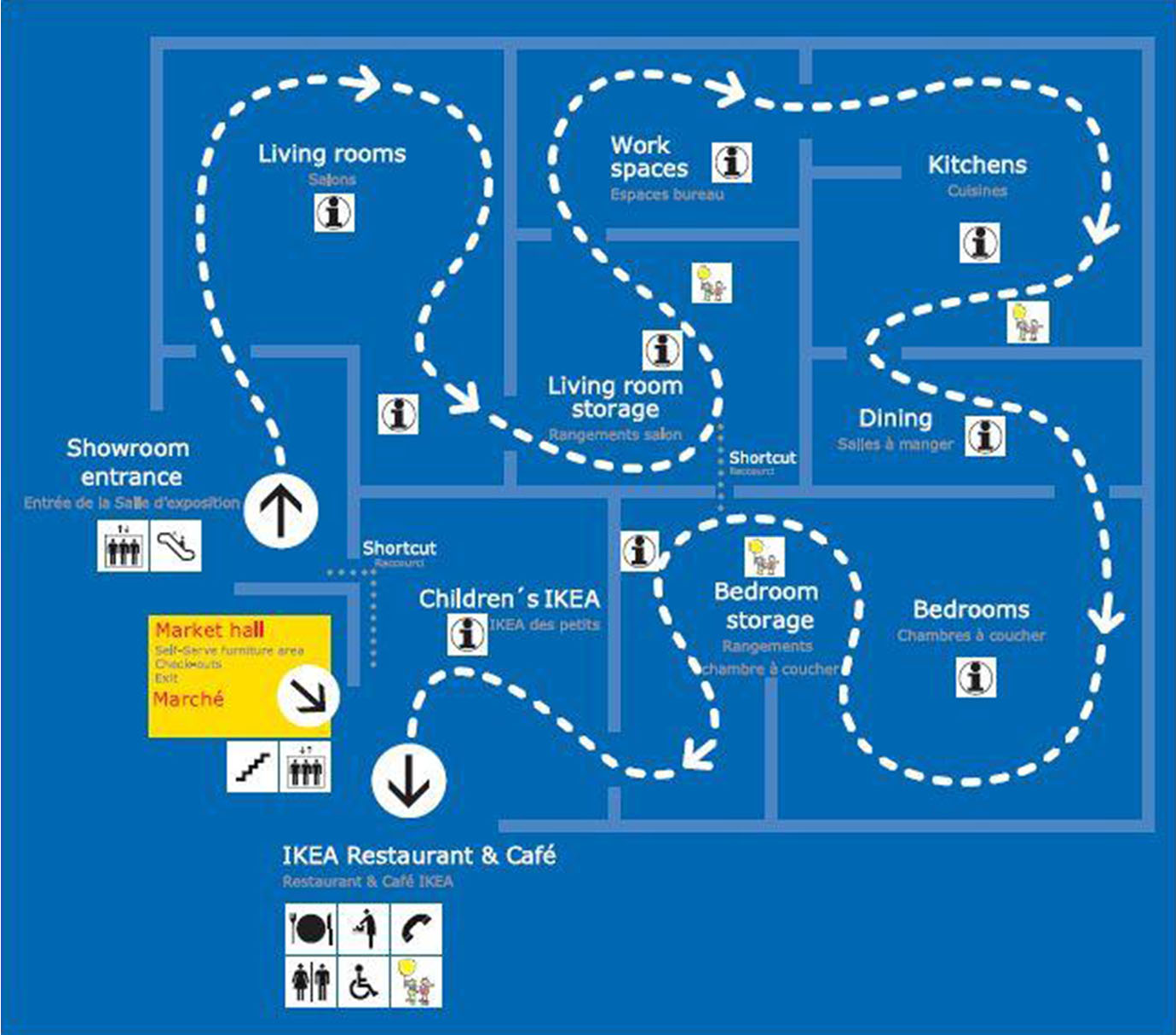
- Self-Explanation: Explaining why an IKEA floor plan works using social psychology forces students to synthesize and summarize, a proven method for facilitating expert-level knowledge.
The "Found Content" Workflow
Students were tasked with contributing to a public blog, "Propaganda for Change." The criteria required them to:
- Identify a persuasive message in the real world.
- Explain the psychological effect in their own words.
- Cite peer-reviewed research supporting that effect.
Experiments & Results: Crowdsourcing Quality
One common fear of crowdsourced education is "social homogenization" (students copying each other) or low-quality output. Hills addressed this through:
- Just-in-Time Criteria: Changing requirements every two weeks to keep content fresh.
- Public Accountability: The blog was open; students naturally mimicked the highest-quality posts, leading to an "upward social comparison."
- The Exam Incentive: 60% of the final exam was derived directly from the blog entries, turning the crowdsourced database into a primary study resource.
Quantifiable Improvements
Over the 10-week term, the depth of student work increased significantly:
- Volume: Average word count per post doubled (from ~180 to ~377 words).
- Rigorousness: Average citations per post increased from 1.0 to 1.6.
- Engagement: Over 500 unique examples were generated, creating a repository far more diverse than any single textbook could offer.
Critical Insight: The Video Production Challenge
The second phase involved students producing 1-minute pro-social videos (e.g., organ donation, cyberbullying). While highly empowering, this "Content Creation" phase faced logistical hurdles. Students reported high stress and time-management issues.
Takeaway for Educators: Production-oriented tasks are high-reward but require significant support infrastructure (like "Learning Grids" or technical advisors). However, the "pride of ownership" observed in students suggests that the emotional and professional value of creating a "real-world impact" outweighs the technical friction.
Conclusion & Future Outlook
This work demonstrates that technology’s greatest value in the classroom isn't delivery, but participation. By crowdsourcing content, educators can scale personalized, learner-centered instruction to large cohorts. Future researchers should explore "Folksonomies"—using student-generated tags to organize these massive content repositories—and deeper integration with outside professional communities to further validate student work.
Crowdsourcing doesn't just lighten the teacher's load; it invites the student into the core of the academic process: deciding why the content matters for the world.