
Expectation vs. Reality: Why Bid Rejection Might Be Good for Crowdsourcing
Understanding Crowdsourcing Contest Fitness Strategic Decision Factors and Performance: An Expectation-Confirmation Theory Perspective
This study investigates "contest-fitness" in crowdsourcing markets using Expectation-Confirmation Theory (ECT). By analyzing 6,798 projects from CrowdSPRING, the authors develop a model explaining how crowd expectations and bid disconfirmation (rejection) drive contest duration and overall performance.
TL;DR
This research challenges the intuition that rejecting bids (disconfirmation) discourages participation. By applying Expectation-Confirmation Theory (ECT) to 6,798 projects on CrowdSPRING, the authors discover that while high uncertainty about "contest-fitness" can delay project completion, the process of rejecting unsuitable bids actually pushes the crowd toward more strategic, high-quality submissions, ultimately boosting final performance scores.
Background: The Crowdsourcing Paradox
Crowdsourcing is a "winner-takes-all" game. While platforms like InnoCentive or crowdSPRING offer companies access to global talent, many platforms fail due to low-quality output or "crowd fatigue." The core issue often lies in a mismatch—participants don't know if their skills truly fit the project (Contest-Fitness), leading to a flood of mediocre entries or, conversely, a complete lack of interest.
The "Fitness" Logic: Motivation and Strategy
The authors treat participants as rational agents. Before someone spends hours on a logo design, they perform a mental cost-benefit analysis.
- Expectation: "Do I have the skills to win this specific contest?"
- Disconfirmation: If a seeker rejects many bids, it sends a signal. Is the seeker too picky, or were the requirements misunderstood?
The study argues that these dynamics aren't just psychological—they are the primary drivers of Contest Duration (how long it stays open) and Contest Performance (a score based on participation and quality).
Methodology: Mapping the Strategic Flow
The researchers utilized path analysis to validate six hypotheses. They measured "Expectation" by the number of people "watching" a project and "Disconfirmation" by the count of rejected bids.
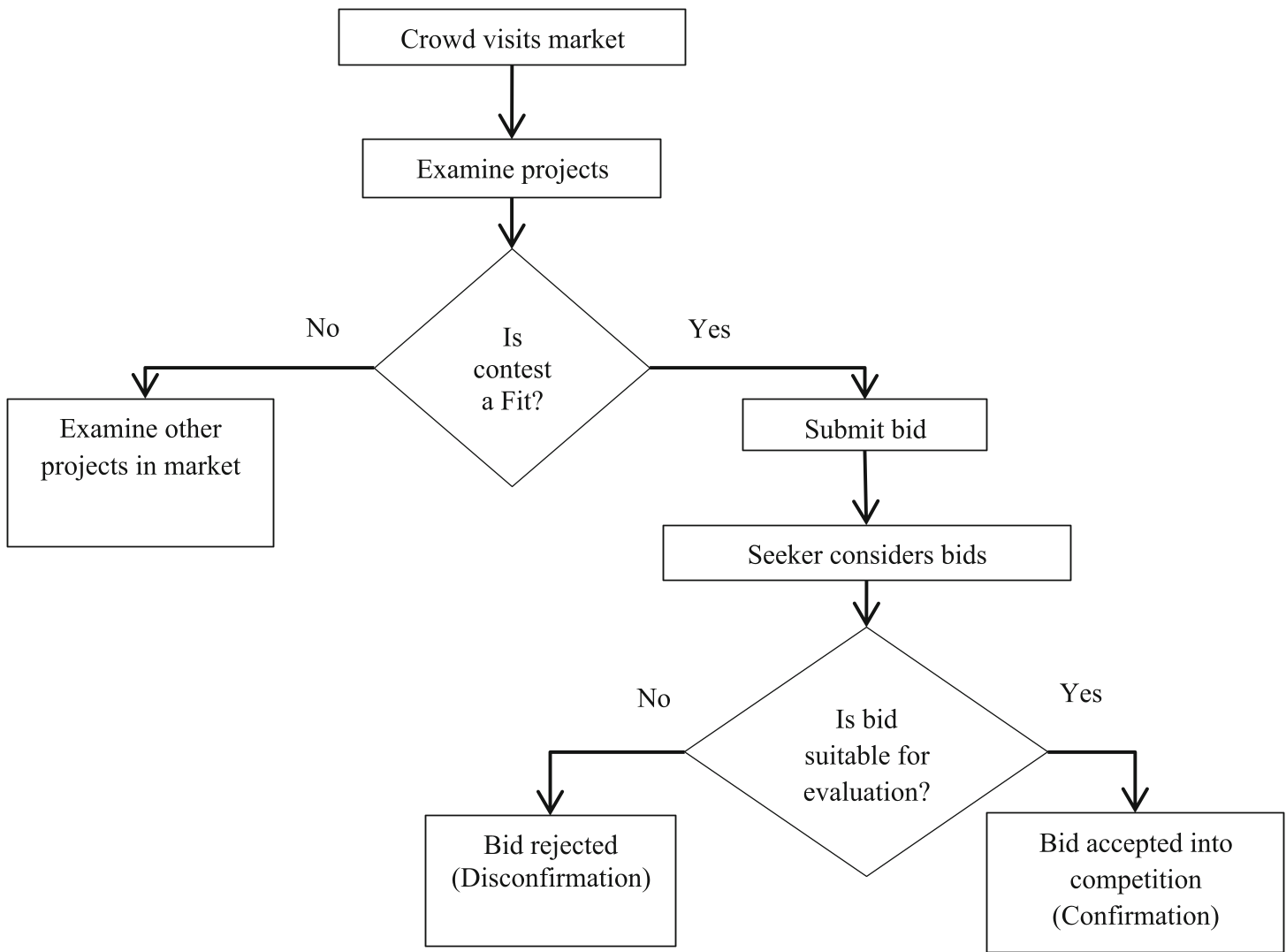
Figure 1: The schematic illustration of how crowd members assess fitness and decide to bid.
The research model (Figure 2) links these psychological states to objective market outcomes.
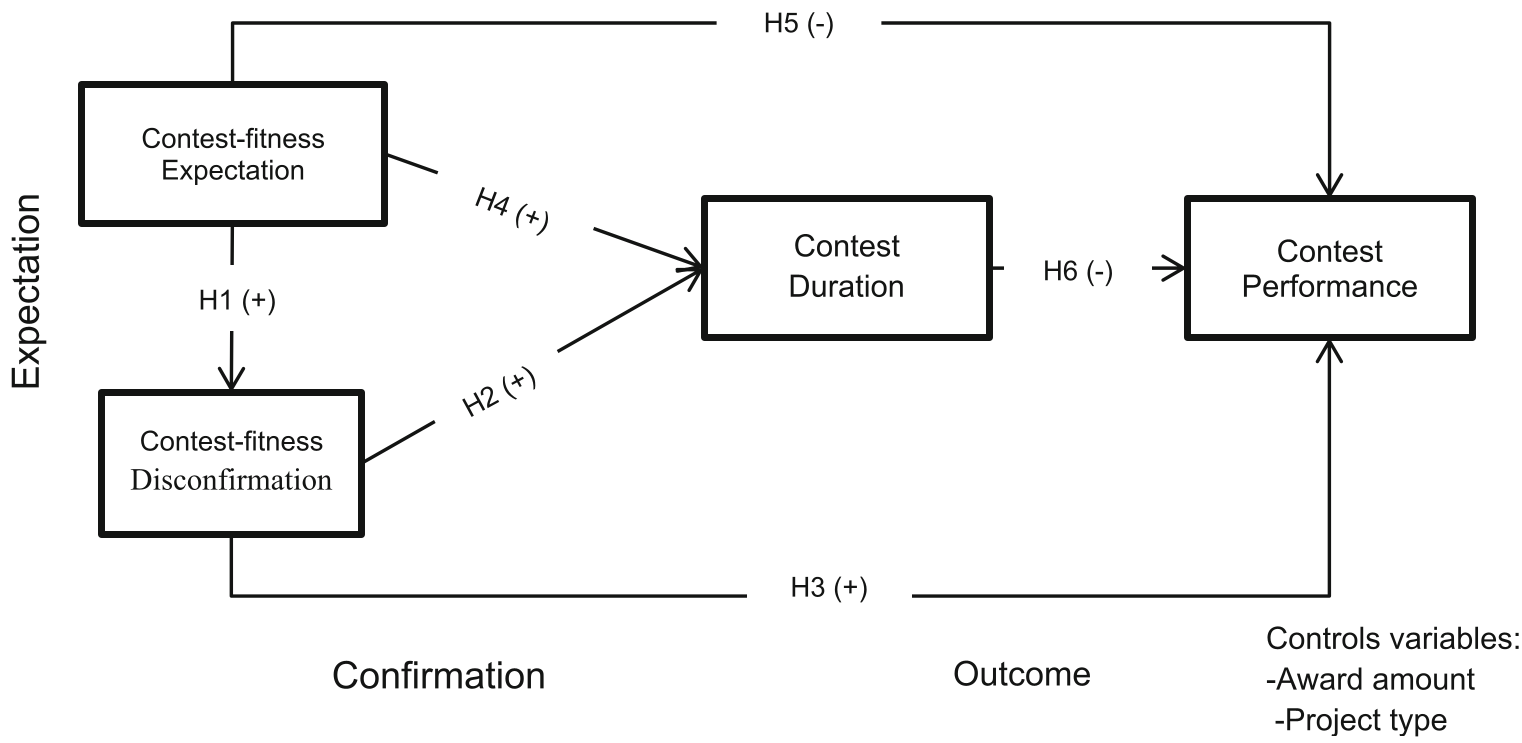
Figure 2: The hypothesized relationships between Expectation, Disconfirmation, Duration, and Performance.
Key Findings: The Power of Selective Bidding
The study yielded several "counter-intuitive" insights:
- Rejection Breeds Quality: High levels of bid disconfirmation were positively associated with contest performance. Why? Because visible rejections act as a filter. Only the most confident and skilled participants remain, leading to a "higher quality match."
- The Waiting Game: Increased uncertainty about fitness leads to longer contest durations. When the crowd is unsure, they watch and wait rather than act.
- The Penalty of Time: While waiting for the "perfect bid," seekers shouldn't wait too long. The data shows that excessively long durations (H6) eventually hurt project performance, likely due to a perception of "requirement rot" or seeker indecision.
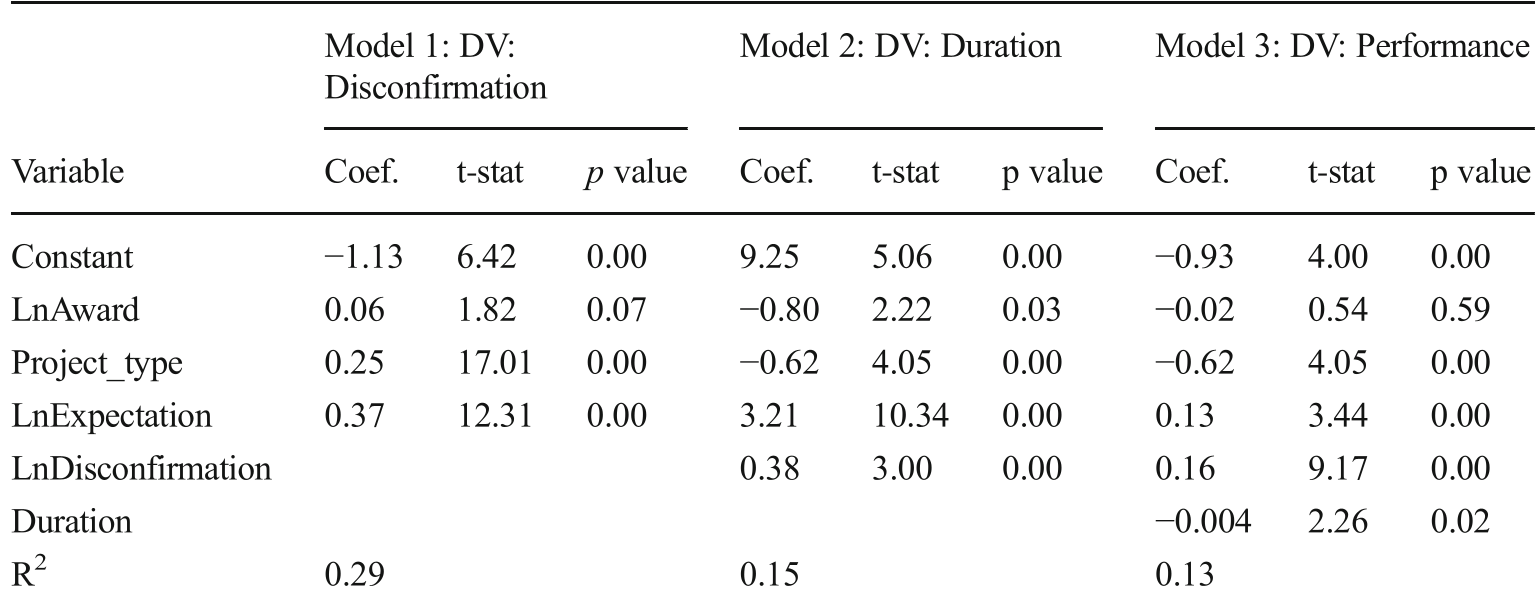
Table 5: Path analysis results showing the significant positive link between disconfirmation and performance.
Critical Insight & Practical Takeaways
The "Takeaway" for platform designers is clear: Transparency is a tool, not a deterrent.
- For Platform Operators: Don't hide rejected bids. Instead, provide more context on why they were rejected. This helps the crowd calibrate their "contest-fitness" expectations faster.
- For Seekers: Manage the "Duration vs. Quality" trade-off. Extending a contest might bring in a better bid, but wait too long and you'll lose the interest of top-tier talent.
Conclusion
By moving beyond simple "monetary reward" models, this paper proves that the psychological cycle of Expectation and Confirmation is what truly governs the efficiency of digital labor markets. Understanding "fitness" is the secret to moving crowdsourcing from a chaotic digital lottery to a streamlined engine for organizational innovation.