
WeSave: Bridging the Healthcare Gap via Crowdsourcing in the Philippines
Crowdsourcing for healthcare resource allocation
The paper introduces "WeSave," a specialized crowdsourcing platform designed to facilitate healthcare resource allocation in the Philippines. It combines crowdfunding and in-kind donation management to improve surgical and medical accessibility for underprivileged patients.
TL;DR
Despite rapid medical advancements, healthcare accessibility remains a localized crisis in the Philippines. "WeSave" is a proposed crowdsourcing architecture that empowers hospital social workers to act as intermediaries between the "crowd" and patients in need. By integrating microdonations, mobile cash transfers, and structured in-kind donation management, the platform aims to turn the Filipino spirit of Bayanihan into a digital-first solution for universal healthcare.
The Motivation: A Crisis of Access
In the Philippines, preventable diseases like pneumonia and tuberculosis remain top mortality drivers primarily due to inequity in resource access. While the government has mandated Universal Health Care (UHC), the gap between the poor and life-saving treatments remains vast.
The authors identified a specific gap in the current tech landscape: while platforms like Kickstarter or Watsi exist, they aren't optimized for the Philippine context—specifically regarding microdonations (small, frequent contributions) and in-kind medical equipment management. The challenge lies in building a system that is not only secure and private but also culturally aligned with how Filipinos give.
Methodology: The Architecture of Trust
The "WeSave" system is built on the four pillars of crowdsourcing: the crowd (donors), the crowdsourcer (verified social workers), the task (funding/resource acquisition), and the platform (the technical interface).
1. The Crowdsourcer as Gatekeeper
Unlike generic platforms where anyone can post a plea, WeSave positions hospital social workers as the primary curators. This adds a critical layer of "System Certification," ensuring that every campaign is medically verified, preventing fraud and increasing donor trust.
2. Microdonations & Mobile Integration
Recognizing that many potential donors may not have large disposable incomes, WeSave leverages mobile tech. The paper compares two critical avenues:
- Mobile Load Transfer: High reach (70 million users) using SMS credits as currency, but burdened by airtime costs and complex conversion processes.
- Mobile Money Transfer: Lower reach but direct, electronic-cash based, and more efficient for direct donation mechanisms.
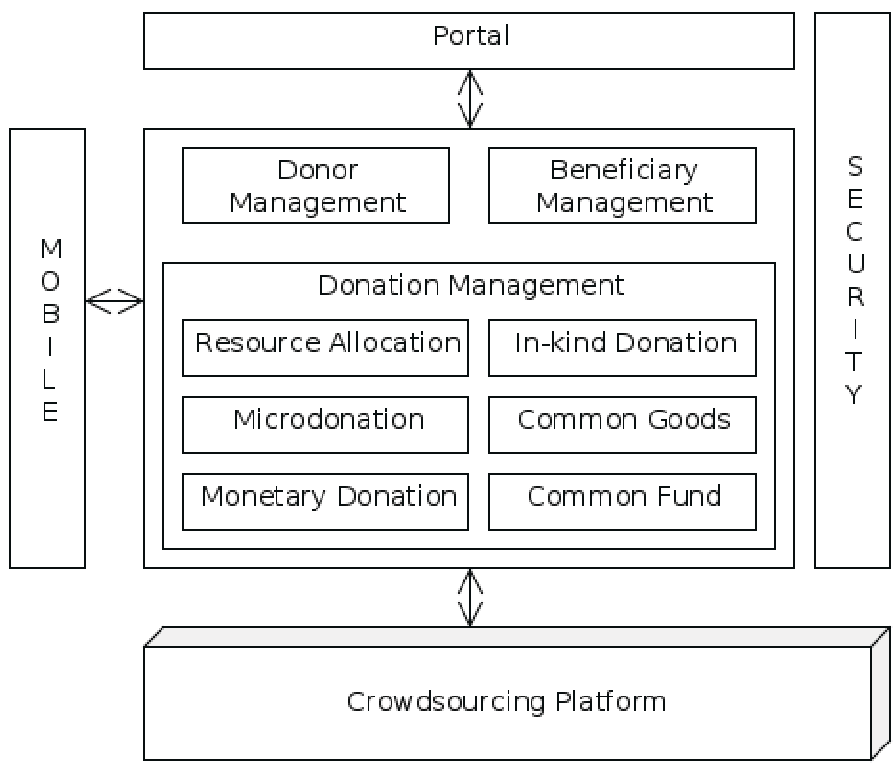 Figure 1: The WeSave Software Architecture, highlighting the integration between web portals and mobile support.
Strategic Mechanisms: Direct Donation vs. Return Rule
A key technical insight in the paper is the choice of the Direct Donation mechanism. Unlike Kickstarter’s "All-or-Nothing" (Return Rule) approach, WeSave delivers funds even if a goal isn't met. In healthcare, "half a treatment" is often better than none, though it requires a sophisticated Reallocation System for cases where a patient might pass away or refuse treatment before funds are spent.
Reallocation Protocols
The system defines clear actions for various edge cases (see Table below) to maintain transparency and donor satisfaction.
| Case | Action |
|---|---|
| Death/Refusal of Beneficiary | Notify donors, Reallocate to Common Fund/Other Campaign |
| In-kind donation (Excessive) | Notify donor, Reallocate excess home-med equipment |
| Goal Exceeded | Automated ranking to transfer surplus to most urgent needs |
Experimental Insights & Design
The user interface design (Figures 3 & 4) focuses on transparency and verified storytelling. By displaying contributor lists and "Acknowledgment Receipts," the system fulfills the psychological need for social status and the cultural value of communal support.
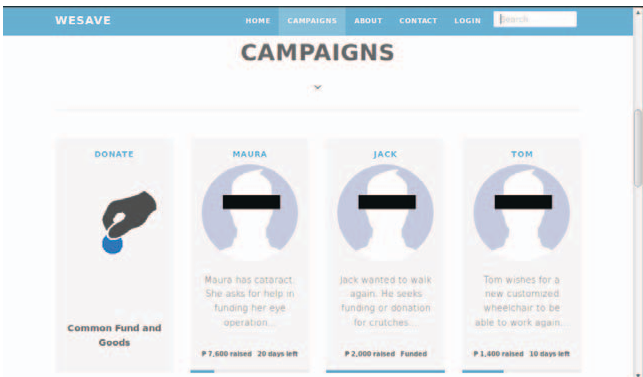 Figure 2: Prototype screenshot showing the campaign listing and verification status.
Critical Analysis & Conclusion
Takeaways: The greatest strength of WeSave is its institutional alignment. By making the hospital social service division the engine of the platform, it solves the "credibility gap" that plagues many charitable startups.
Limitations: The paper acknowledges the difficulty in setting qualitative metrics for "prioritization" (e.g., how do you objectively rank physical pain vs. socioeconomic status?). Furthermore, the tension between Patient Privacy (RA 10173) and the Visual Evidence often needed to drive donations (photos of patients) remains a delicate balancing act for any healthcare platform.
Future Outlook: The authors suggest moving toward automated accounting and expanding to direct patient inputs, provided ethical monitoring can keep pace. As mobile wallet penetration grows in SE Asia, systems like WeSave could become the standard for filling the funding gaps left by traditional insurance.