
Beyond the Code: Why Ethical IP Management is the Secret Sauce for Crowdsourcing Success
Issues of crowdsourcing and mobile app development through the intellectual property protection of third parties
The paper investigates the intersection of crowdsourcing, mobile app development, and intellectual property (IP) protection. It introduces a semi-quantitative framework to evaluate project safety and viability based on ethical-legal criteria, specifically focusing on how organizations manage rights and obligations toward third-party contributors.
TL;DR
Crowdsourcing isn't just about harvesting cheap labor or "innovative ideas"; it is a legal and ethical minefield that can sink even the most technically sound mobile app project. This paper argues that the longevity of a crowdsourcing campaign depends on a "Consistent" or "Reasonable" approach to Intellectual Property (IP), where the rights of the "crowd" are respected as much as the initiator's ownership.
Background: The Hidden Liability in Innovation
In the rush to build the next "unicorn" mobile app, developers often view the crowd as a faceless resource. However, as mobile apps increasingly collect sensitive personal data and utilize cross-border creative input, the legal risks—ranging from IP theft to ethical violations—become catastrophic. The authors position this work as a bridge between Ethics and Security, suggesting that ethical treatment of contributors is a predictive metric for project safety.
The "Quadrant of Legal Regulation"
The core methodology involves categorizing how organizations handle intellectual assets. The authors break this down into four distinct strategic behaviors:
- Possessive: High aspiration for ownership, low concern for participant validity/reward. (High risk of failure).
- Passive: Limited rights acquisition and low obligation. (Low impact).
- Consistent: High aspiration for ownership combined with high obligations for IP validity. (Most viable for commercial giants).
- Reasonable: Limited rights acquisition but high concern for participant recognition. (Highly sustainable for community-driven projects).
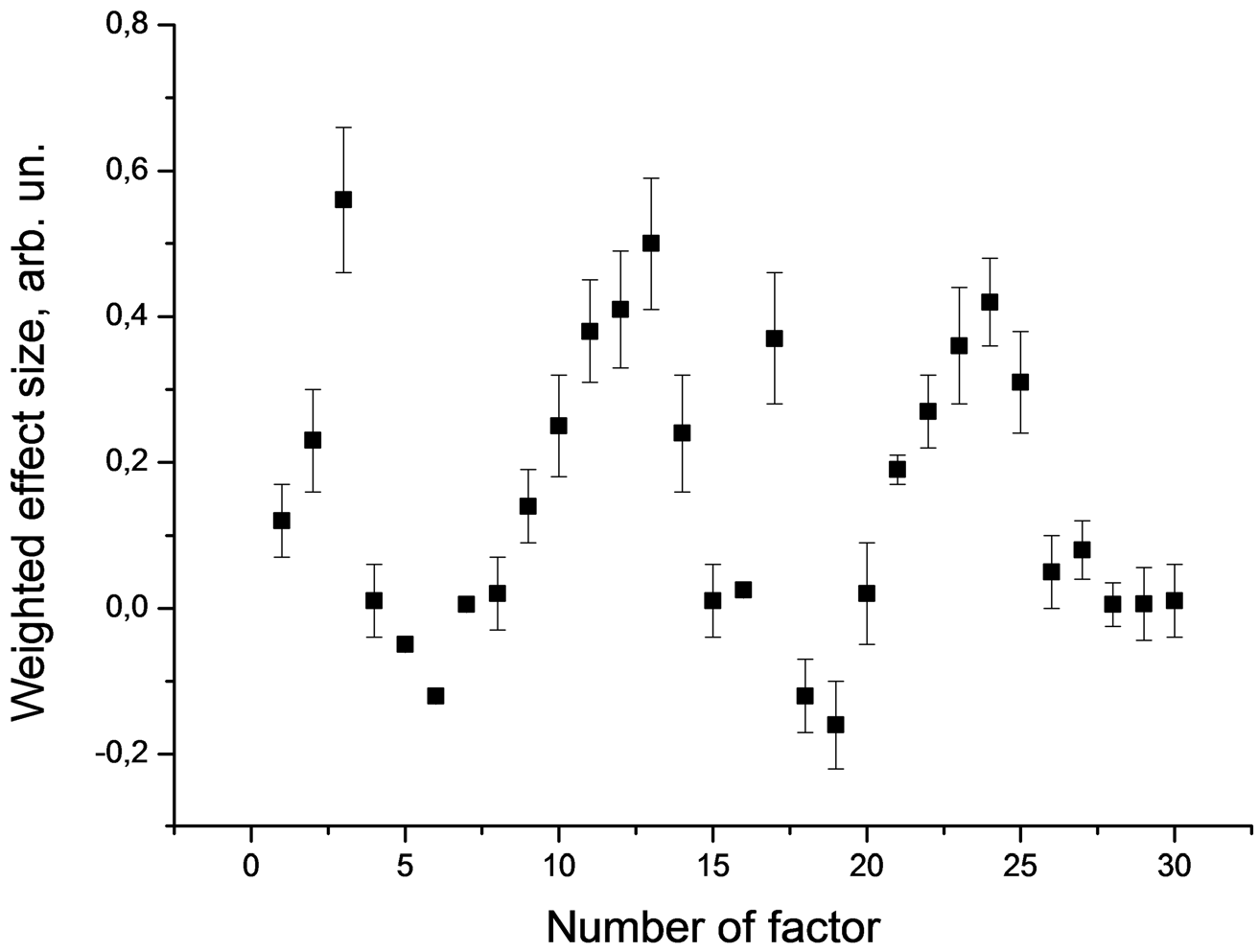 Figure 1: Conceptual framework for IP management in the innovation ecosystem.
Case Studies: Success vs. Survival Errors
The paper performs a meta-analysis on several high-profile projects. A standout is Material A: CrowdSpirit, which was once called the "Most Innovative Crowdsourcing Project." It failed despite its technical promise because it excluded the "crowd" from IP discussions, leading to a lack of moral satisfaction and motivation.
In contrast, Material C: Fiat Mio, the world's first crowdsourced car, succeeded by integrating over 10,000 tips from 17,000 participants within a structured framework that recognized the value of individual contributions.
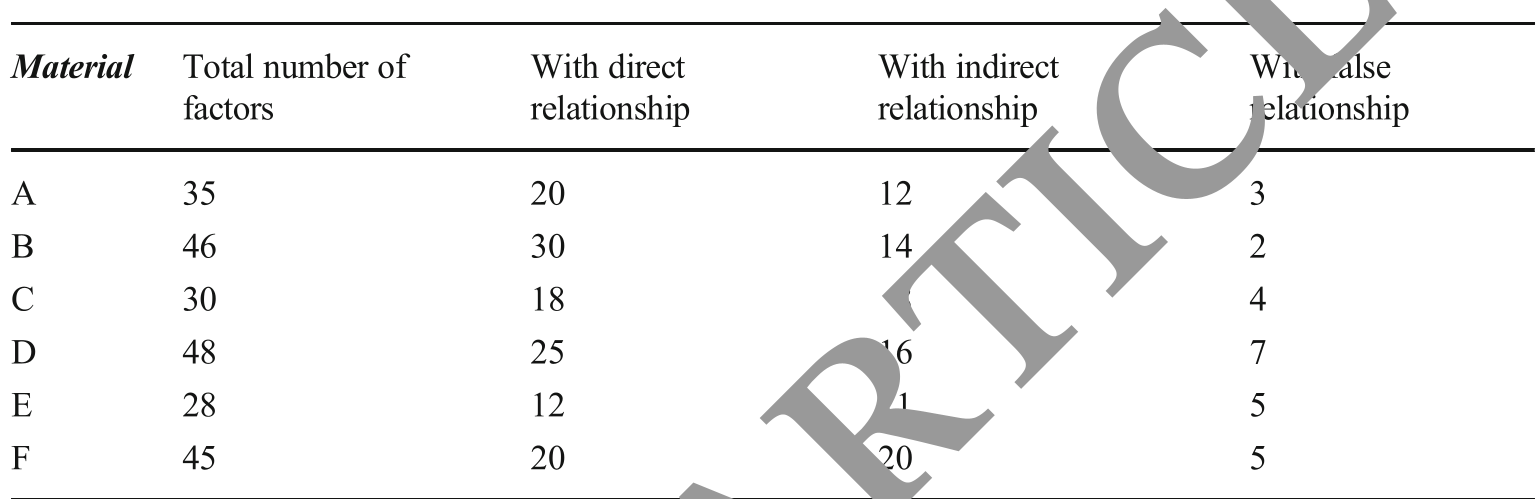 Table 1: Distribution of direct and indirect factors affecting IP protection across different materials.
Methodology: The Meta-Analysis Approach
Instead of relying on single anecdotes, the authors used Pearson correlation coefficients to measure the relationship between "rights and obligation fulfillment." By standardizing factors across corporate reports, they essentially created a "diagnostic criterion" for crowdsourcing projects. They found that the "surviving error" (learning only from successes) is a trap; studying failed projects like Spot.us (Material F) provides more insight into how neglecting IP shifts a project from "Consistent" to "Possessive," leading to its eventual demise.
Critical Analysis & Conclusion
The paper makes a compelling case that as the barrier to entry for mobile app development drops, the "deprofessionalization" of ethical standards rises.
Key Takeaways for Stakeholders:
- For Developers: Privacy and IP are not just "legal hurdles"; they are part of the user-value proposition.
- For Platforms: Success requires a clear mechanism for the registration and disclosure of intellectual rights, even for random, non-contractual teams.
- The Future: We are moving toward an era where "Recognition" is as valuable a currency as "Cash" in crowdfunding ecosystems.
Limitations: The study relies heavily on corporate reports and historical case studies (Pre-2020). The rise of Web3 and smart contracts, which automate license and royalty distribution, may offer technological solutions to the ethical dilemmas posed here—a territory this paper touches upon but does not fully explore.