
Cultural Knowledge Co-Creation: Moving Beyond Static Archiving to Social Ecosystems
Cultural Knowledge Co-creation on Social Networking Paradigm
The paper presents a social networking paradigm for cultural knowledge co-creation, integrating decentralized provincial records into a centralized, standardized platform. By utilizing a "Digitized Thailand" framework, it establishes a SOTA-aligned system for metadata normalization and community-driven content curation.
TL;DR
Thailand's Ministry of Culture significantly enhanced its digital heritage strategy by moving from fragmented provincial databases to a centralized, social networking-based co-creation platform. By implementing strict DCMI metadata standards and encouraging community participation under expert supervision, the project successfully homogenized over 90,000 cultural records, transforming raw data into accessible knowledge assets.
The Fragmented Past: The Distributed System Trap
Since 2006, Thailand attempted to preserve cultural practices through decentralized provincial offices. However, this "archipelago" of data became a liability. The technological disparity between provinces meant that content often lacked standard formats, was riddled with typos, and was prohibitively expensive to maintain. The core problem was that cultural knowledge was treated as a static file to be stored, rather than a living practice to be shared.
Methodology: Curation, Co-Creation, and Service
To resolve this, the authors introduced a framework that bridges the gap between official institutions and the general public.
- Standardized Curation: Legacy data was "cleaned" to conform to the Dublin Core Metadata Initiative (DCMI). By adding custom tags like
dt.taganddt.operation.daytime, the system prepared the data for modern computational uses (search, recommendation, and linked data). - Social Networking Paradigm: Instead of provincial staff being the only contributors, the platform allows community members to "tell their stories." Crucially, this is not a legal "free-for-all"; a layer of Authorized Supervision ensures that only verified and high-quality contents are made public.
- Semantic Linkage: The goal is to move toward Linked Data, where cultural sites, artists, and artifacts are connected through a governed conceptual scheme (e.g., Asian WordNet).
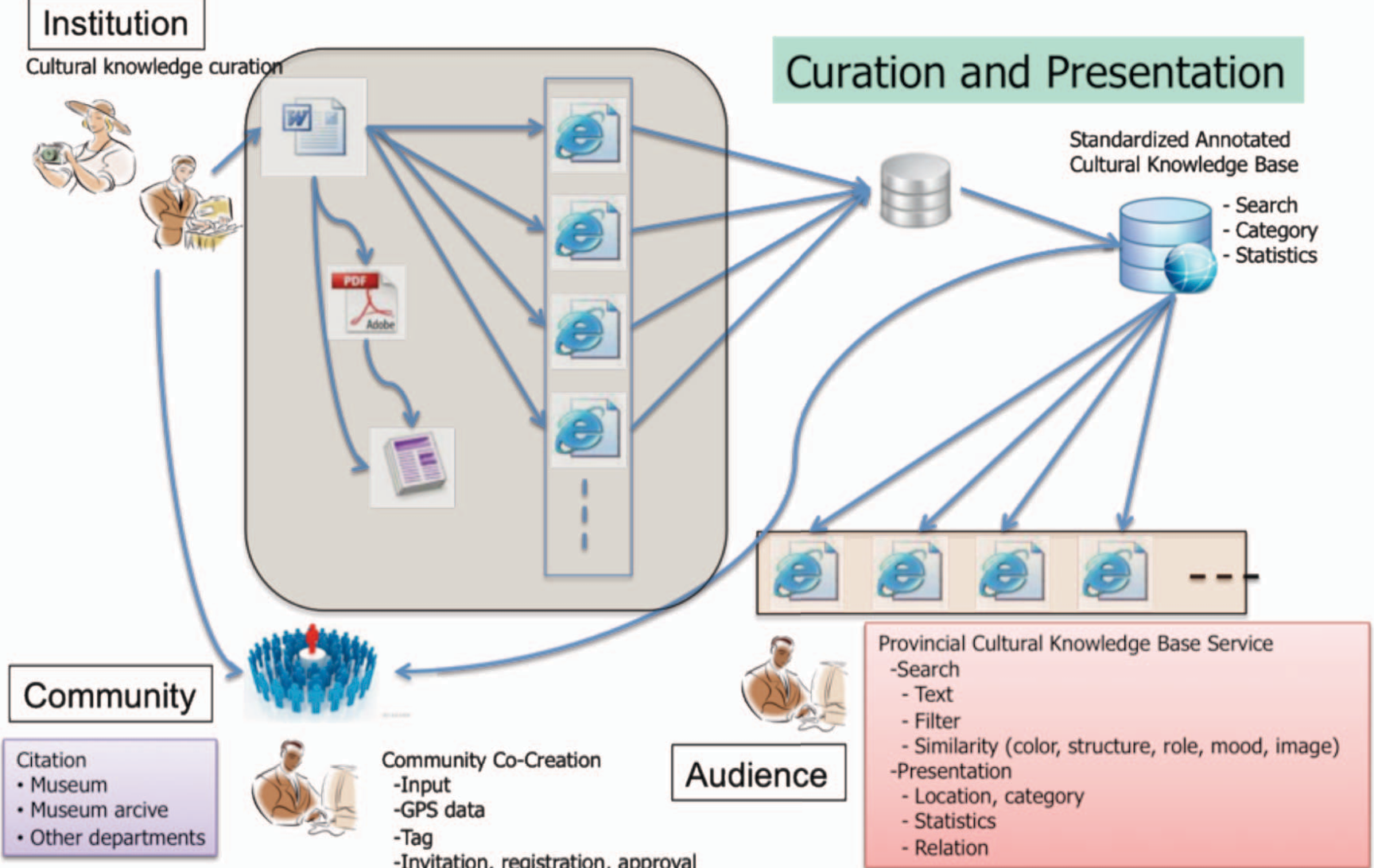 Figure 3: The Interaction Loop between Institute, Community, and Audience.
Quantifying Success: The 90,000 Record Milestone
The data accumulation results demonstrated the power of this hybrid institutional-social approach. Between November 2010 and July 2011, the portal grew from an initial batch of crawled data to over 90,000 records.
- Recovery Rate: 80%+ of legacy content was successfully formatted and saved.
- Participation: 53 provinces reached the aggressive target of 1,000 high-quality records within months.
- Quality Control: The "Pending" records in the table below indicate the strictness of the approval process, ensuring the portal doesn't become a repository of unverified noise.
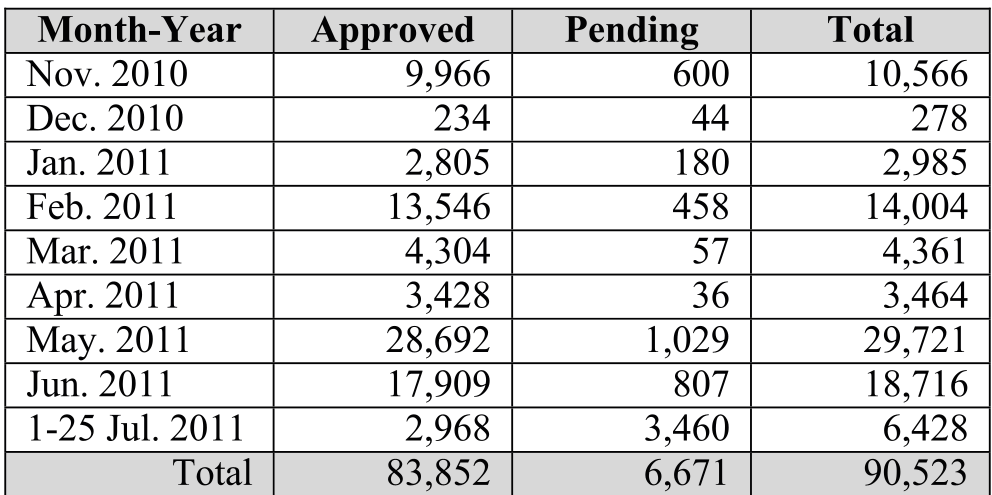 Table 1: Monthly Growth of Cultural Records - Note the massive surge in May 2011.
Critical Analysis & Future Outlook
While the project was successful in volume, the authors candidly identified several "Human-Centric" bottlenecks:
- Academic vs. Engaging: Content was often too "dry" or academic for general tourists or the public.
- Naming Conventions: Contributors tended to put descriptions in the title.
- Media Quality: Capturing "attractive" media is more difficult than just capturing "data."
The future of this work lies in Semantic Annotation. By using the XML exchange format (shown below), these records can eventually be queried by AI systems to provide contextual, location-aware cultural experiences for tourists and researchers alike.
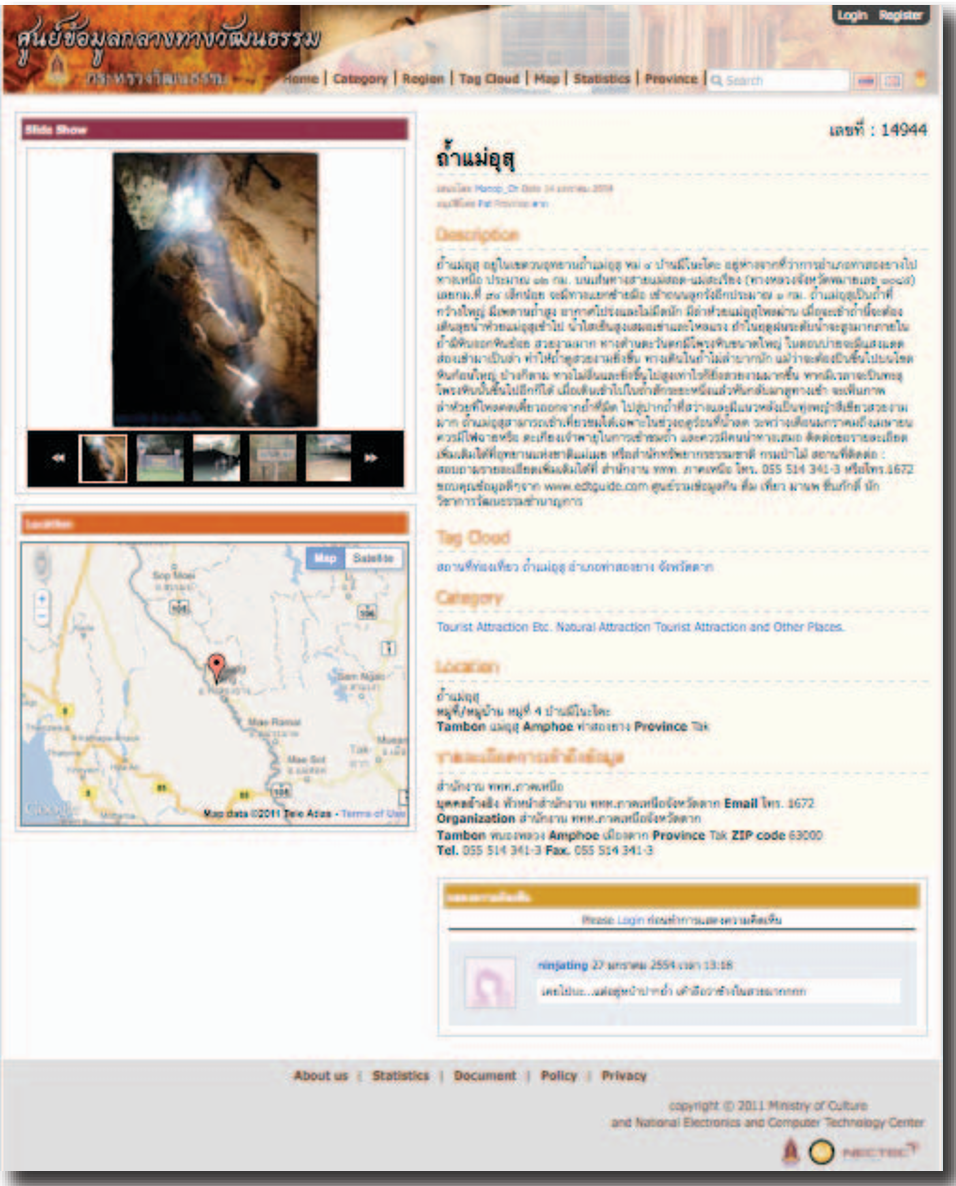 Figure 2: Sample of a final retrieved cultural record with standardized metadata.
In conclusion, this paper proves that for cultural heritage digitization to succeed, technology must serve as a bridge—not just a bucket—connecting the community's lived experience with formal institutional standards.