
Cultural Richness vs. Large Scale: Bridging the Methodological Divide in IT Culture Research
Cultural richness versus cultural large scale insights: culture, globalization, and it workers
This paper explores the methodological tension between qualitative "richness" and quantitative "scale" in Information Systems (IS) cultural research. It proposes mixed-method designs as a vital bridge between deep ethnography and broad surveys, demonstrating their efficacy through a comparative analysis of two landmark studies on IT worker culture.
TL;DR
As the IT workforce becomes increasingly globalized, researchers face a difficult choice: do they go deep with Ethnography to understand "why" things happen, or go wide with Surveys to prove "what" is happening? This paper argues that the future of Information Systems (IS) research lies in Mixed-Method Designs, offering a pragmatic middle ground that provides both the rich "why" and the statistically significant "how many."
The "Rigor vs. Reach" Problem
The study of culture in IT—ranging from virtual team collaboration to occupational commitment—has long been dominated by a positivist tradition. Most researchers lean toward quantitative surveys (like Hofstede’s variables) because they are faster, cheaper, and easier to publish. However, these "thin" descriptions often miss the deep-seated, irrational, or symbolic aspects of IT work life.
On the other hand, Ethnography, the gold standard for cultural "richness," is a daunting path. It requires years of field immersion, significant travel budgets, and results in a "data overload" that is notoriously hard to condense into journal articles.
Methodology: The Mixed-Method Alternative
The authors suggest that mixed-method designs can compensate for the leanness of quantitative data without the exhaustive burden of pure ethnography.
A Tale of Two Studies
To prove their point, the authors compare two different approaches to studying IT culture:
- The Pure Ethnography (Kaarst-Brown, 1995): A 700-page deep dive into two large firms over two years. It uncovered the "Magic Dragons and Wizards" of IT culture but was highly complex to represent.
- The Mixed-Method Approach (Guzman, 2006): Used focus groups and interviews to understand student "enculturation," followed by surveys to confirm these findings across a broader sample.
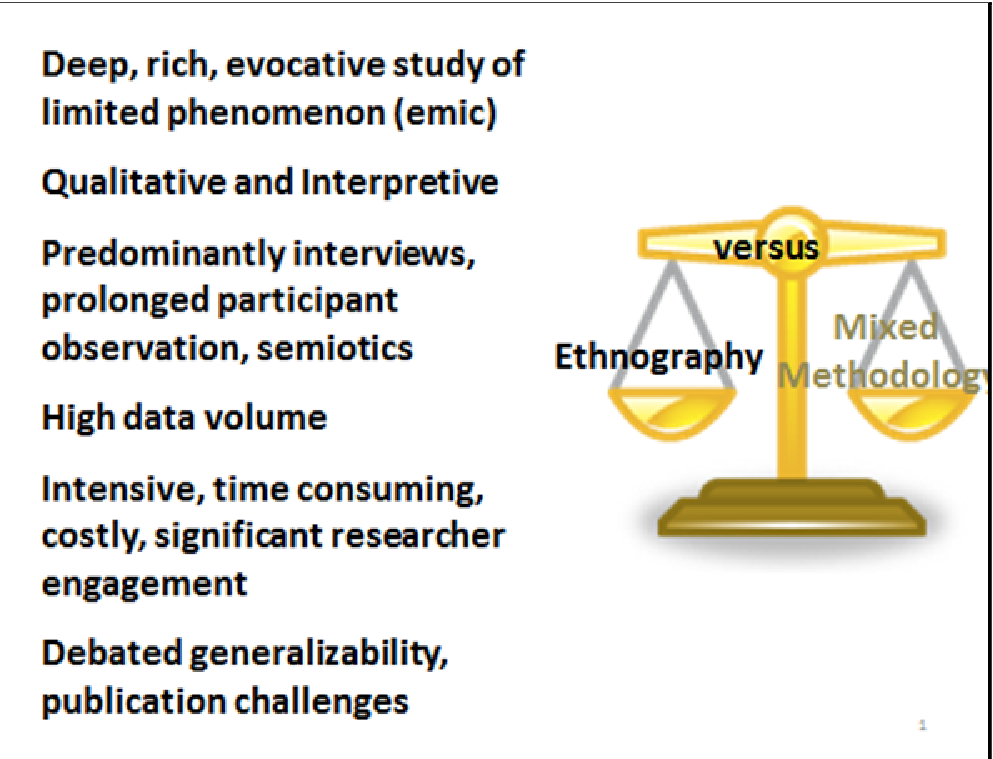 Figure 1: Comparison of Ethnography pros and cons as outlined in the paper.
Evaluation of Research Designs
The paper provides a side-by-side comparison of how these methods perform in the real world of academia. While the ethnography was "groundbreaking," the mixed-method study achieved similar levels of transferability and validity while being significantly more manageable.
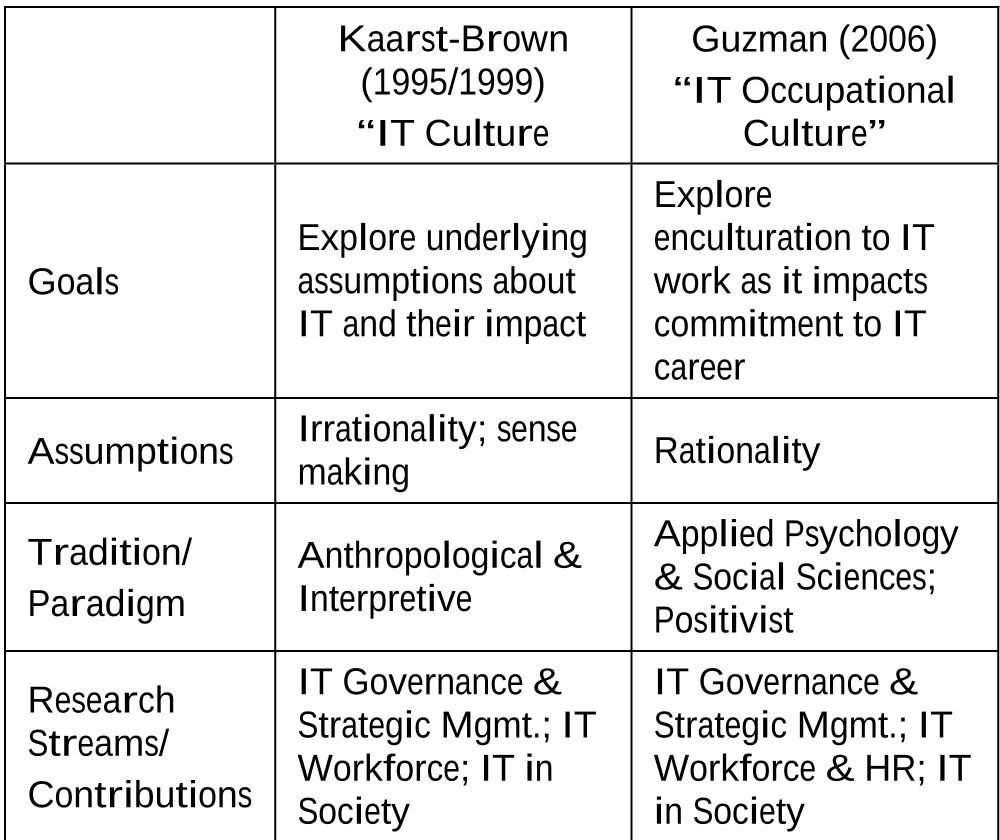 Table 1: Strategic comparison of goals, assumptions, and paradigms.
The Critical Insight
The most compelling argument is that Legitimacy is often easier to achieve with mixed methods. By including quantitative data, qualitative researchers can "speak the language" of positivist reviewers, while the qualitative component ensures they aren't just reporting "flat" numbers that ignore the human element of globalization.
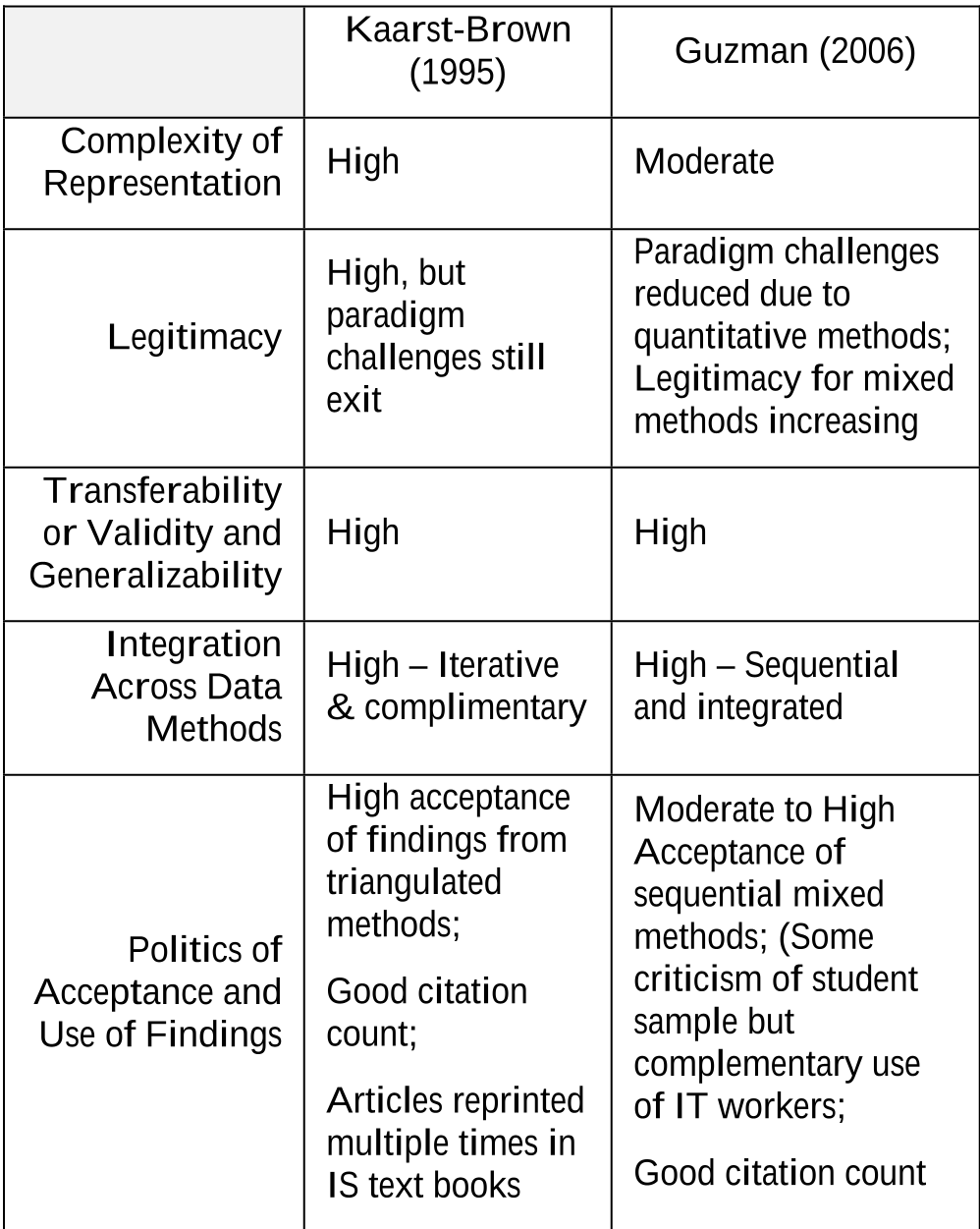 Table 2: Comparison of method complexity and peer acceptance.
Conclusion and Future Outlook
The rapid evolution of ICT means our cultural realities change faster than traditional ethnography can keep up with. The paper concludes that moving beyond the "paradigmatic debate" of Qual vs. Quant is essential for the field.
Takeaway for Researchers: If your research feels "thin," add a qualitative phase to capture the story. If your ethnography feels "localized," add a survey phase to demonstrate its scale. In the world of global IT, you need both the Richness of the village and the Insights of the global square.