
Decoding the Digital DNA: How Culture Shapes the Future of HCI and Social Networks
Culture and HCI: a review of recent cultural studies in HCI and social networks
This paper provides a comprehensive systematic review and taxonomy of Human-Computer Interaction (HCI) studies focusing on the influence of culture, particularly within Social Networking Sites (SNS). It categorizes cultural influences into "hard" visible attributes and "soft" invisible behaviors, highlighting how global platforms like Facebook achieve cross-cultural success through strategic adaptation.
TL;DR
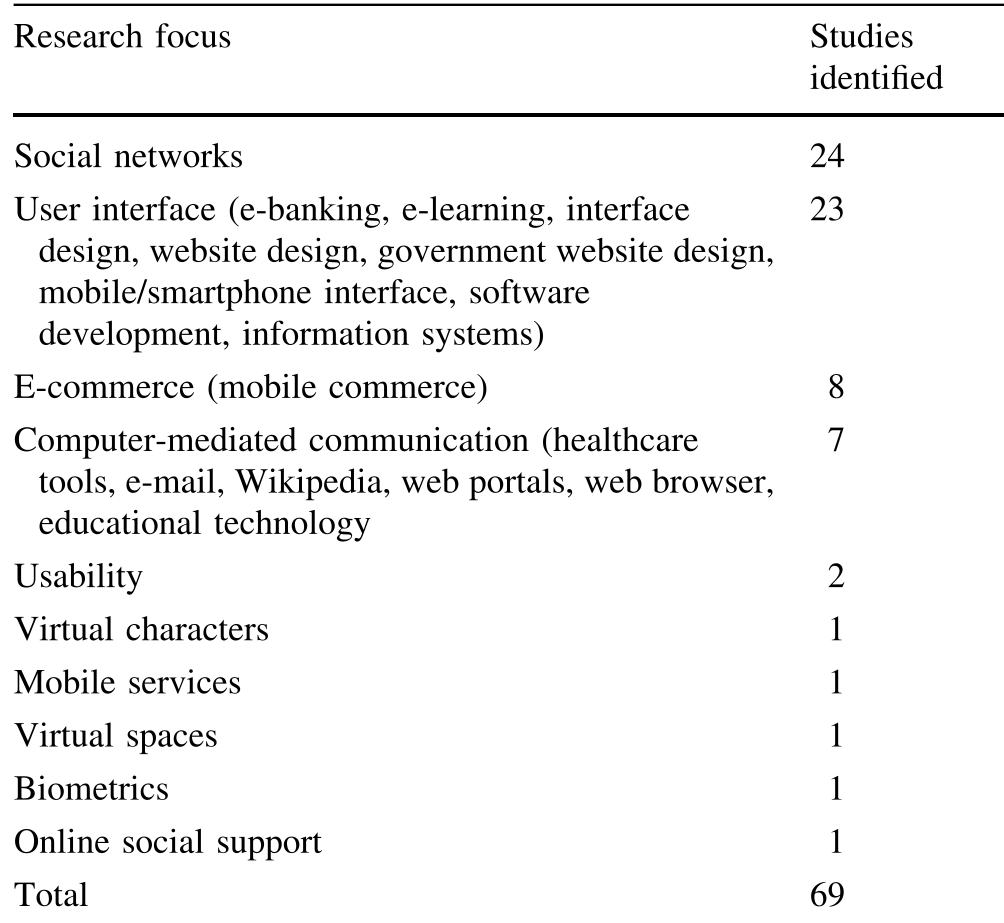
Culture is not just about language translation; it’s a "collective programming of the mind" that dictates whether a user trusts a button, shares a photo, or ignores a notification. This review of 69 seminal HCI studies categorizes culture into Visible (Hard) and Invisible (Soft) attributes, providing a roadmap for designers to move beyond the failing "one size fits all" paradigm and toward culturally intelligent interfaces.
The "One Size Fits All" Fallacy
In an era of rapid globalization, tech giants often assume that a sleek, minimalist interface—the hallmark of Silicon Valley design—is a universal standard. However, this paper argues that ignoring cultural characteristics like beliefs, rituals, and power structures creates significant obstacles to technology adoption. What is "intuitive" to a developer in San Francisco may feel "risky" or "complex" to a user in Cyprus or South Korea.
Methodology: The Two Tiers of Culture
The authors categorize cultural influence into a dual-layer taxonomy that serves as the core framework for their analysis:
- Visible Cultural Attributes (Hard Features): These are the surface-level elements of an interface—language, icons, color schemes, and navigation structures.
- Invisible Cultural Attributes (Soft Features): These are the psychological drivers—how users perceive privacy, the value of tradition versus innovation, and the level of social influence on purchasing decisions.
Visible Attributes: Beyond Localization
The research highlights that even simple UI components carry heavy cultural baggage:
- Uncertainty Avoidance (UAI): High UAI cultures (like many East Asian nations) often prefer "rich" interfaces with more information and specific instructions to prevent user error. In contrast, low UAI cultures (like the UK or USA) find excessive information cluttered.
- Browser Design: A study mentioned in the review suggests that Chinese users prefer a web browser that mimics the feel of a computer game, favoring 3D interfaces and icons with text over simple symbols.
- Logistics & Formats: Localization fails when it ignores deeper structures like Japanese street numbering (based on build date, not sequence) or the diverse ways names and calendars are represented.
Invisible Attributes: The Psychology of Sharing
The most profound insights come from how cultural values like Individualism vs. Collectivism influence behavior on platforms like Facebook and Twitter:
- Self-Promotion vs. Belonging: Users in individualistic societies use Social Networking Sites (SNS) primarily for self-promotion and raising controversial topics. Conversely, users in collectivistic societies use them to satisfy the "need to belong" and maintain close-knit ties.
- The Profile Photo Paradox: Interestingly, research found that American users (Individualistic) often use group photos to signal social popularity, while Chinese users (Collectivistic) might prefer high-quality solo shots to present a "good" image to their network.
- Privacy Perception: In post-communist states like Hungary, older generations share significantly less personal information due to historical trauma associated with surveillance, proving that political history is a subset of cultural HCI.
Why Facebook Succeeded Where Others Failed
The paper analyzes why Facebook achieved a "Global SOTA" (State of the Art) status in user acceptance. The secret lies in a balance of core platform stability and cultural flexibility:
- Promoting "Real" Relationships: By encouraging offline connections first, Facebook lowered the "stranger danger" threshold that killed earlier SNS attempts.
- Adaptive Privacy: Allowing users to tune their own privacy levels caters to varying levels of Uncertainty Avoidance.
- Social Connectedness vs. Risk: In cultures like Cyprus, the drive for social connection was found to be stronger than the fear of data disclosure.
Conclusion and Future Outlook
The takeaway for the HCI community is clear: Interface adaptation is unavoidable. As we move toward more immersive technologies like the Metaverse and AI-driven agents, the necessity for "Culturally Aware AI" becomes paramount.
The review concludes with a provocative question: Will computer-mediated communication eventually bridge these cultural gaps, or will it merely serve as a persistent reminder of our differences? For now, the successful designer must be part-ethnographer, ensuring that the "software of the mind" is as well-coded as the software on the screen.
Limitations & Challenges
- Static vs. Dynamic Culture: Most studies rely on Hofstede's dimensions, which some critics argue are outdated or too reliant on national boundaries.
- Data Gaps: There is still a lack of deep HCI research in regions like Africa and the former Eastern Bloc compared to Western and East Asian studies.