
Culture in Action: Unpacking Capacities for Sustainable Assets-Based Design
Culture in Action: Unpacking Capacities to Inform Assets-Based Design
This paper introduces a "culture-in-action" analytical framework for Human-Computer Interaction (HCI) to enhance assets-based design. Applied through a participatory study with 35 Latino immigrant parents, it demonstrates how shifting from static "assets" to dynamic "capacities" can reveal actionable design pathways for parent-education technologies.
TL;DR
Designers often treat the "strengths" of a community as static objects to be "plugged in" to a system. This paper argues that strengths are actually dynamic capacities shaped by culture. By using a "culture-in-action" lens, the authors show how to design technologies that don't just solve problems, but align with the "strategies of action" that immigrant parents already use to survive and thrive.
Background: Beyond the Deficit Model
In social justice-oriented HCI, there is a push to move away from the deficit model—the idea that marginalized communities are "broken" and need technology to fix them. Instead, assets-based design looks at what people have. However, the authors argue that simply listing assets isn't enough. We need to know why a parent chooses one strategy over another and how structural barriers (like language or social fear) block those assets from working.
The "Culture-in-Action" Framework
Drawing from sociologist Ann Swidler, the authors propose that culture isn't just a set of values; it’s a toolkit.
- The Toolkit: Symbols, stories, and rituals (e.g., the tradition of "Consejos" or nurturing advice).
- Strategies of Action: The creative ways people assemble those tools to solve everyday problems.
- Unit of Analysis: By studying these strategies, designers can see the tension between a person's goals and the limitations imposed by society.
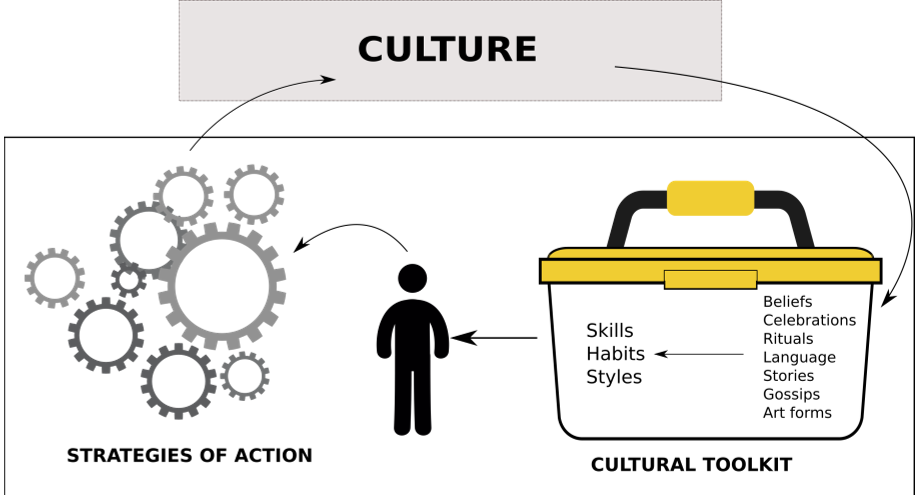 Figure 1: The relationship between the cultural toolkit, strategies of action, and situated capacities.
Methodology: Participatory Design (PD)
The researchers engaged 35 Latino immigrant parents in Atlanta through high-scaffolded activities:
- Reflection: Using "Tree of Life" diagrams and photo diaries to identify internal skills.
- Fictional Inquiry: Using culturally relevant characters (like El Chavo del Ocho) to let parents imagine technology "magic objects" that solve parenting hurdles without the pressure of technical realism.
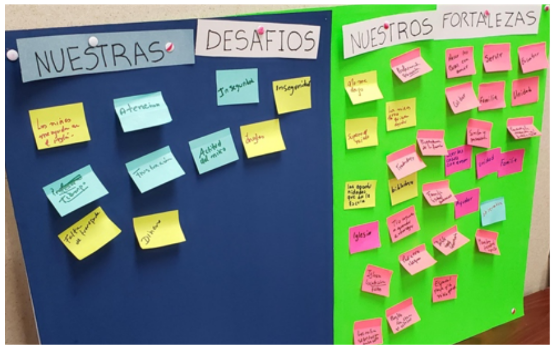 Figure 2: Artifacts used to help parents negotiate and visualize their capacities.
Key Insight: "Consejos" and Actionable Trust
The paper highlights two major strategies:
- Consejos (Nurturing Advice): Parents use values like sacrificio (sacrifice) and superación (personal growth) to motivate children.
- Design Insight: Rather than sending "grades," technology should help parents craft interactive "consejos" that embed academic goals within their existing moral frameworks.
- Closeness: Parents often seek a one-on-one, deep trust with teachers as an authoritative information source.
- Design Insight: Since teachers are overworked, intelligent agents could act as proxies to provide "negotiated" information that mirrors this one-on-one trust.
Critical Analysis: Why This Matters
The brilliance of this work lies in its refusal to romanticize "assets." It acknowledges that some cultural strategies are ineffective because of structural inequalities. For example, a parent's "capacity" for distrust is a survival mechanism against deportation, but it might block them from school resources.
A "culture-in-action" lens allows the designer to see that distrust isn't a bug; it's a feature of a survival strategy. Design should therefore focus on building security rather than just "increasing participation."
Conclusion
This paper is a call to action for HCI researchers to move toward Capacity-Focused Design. By understanding the "why" behind human action through a cultural lens, we can build tools that respect the agency of disenfranchised communities while practically navigating the structural walls they face.
 Figure 3: Parents presenting fictional technology designs during the PD engagement.