
Czech Children and Facebook: The Hidden Risks of the Digital Playground
Czech Children and Facebook -A quantitative survey q
The study "Czech Children and Facebook" presents a quantitative analysis of 1,122 respondents aged 8–17, investigating social media usage patterns and associated risks. It reveals that 78.9% of Czech children use Facebook, with high prevalence among those under the age of 13, exposing them to cyberbullying, sexting, and risky dating.
TL;DR
A nationwide survey of 1,122 Czech children reveals a stark reality: Facebook's age limits are largely ignored, with nearly 60% of children under 13 maintaining active accounts. This digital exposure comes with a high price, including significant rates of cyberbullying, requests for physical meetings from strangers, and the emerging threat of Facebook Addiction Disorder (FAD).
The Growing Digital Divide
In the Czech Republic, Facebook is not just a social tool—it’s a social necessity. For children, the platform serves as a primary hub for communication, peer self-presentation, and gaming. However, the motivation to "belong" often overrides safety protocols. The study highlights a critical motivation: peer pressure. Children feel isolated if they are not part of the online groups where school-day discussions continue long after the final bell rings.
Methodology: Mapping the Online Landscape
The Virtual Communication Risks Prevention Center at Palacky University conducted this survey across 4,000 schools. By using an anonymous online questionnaire, the researchers were able to capture honest responses regarding sensitive topics like sexting and universal password habits—revealing that 26.7% of children use the same password for both Facebook and their email, a major security vulnerability.
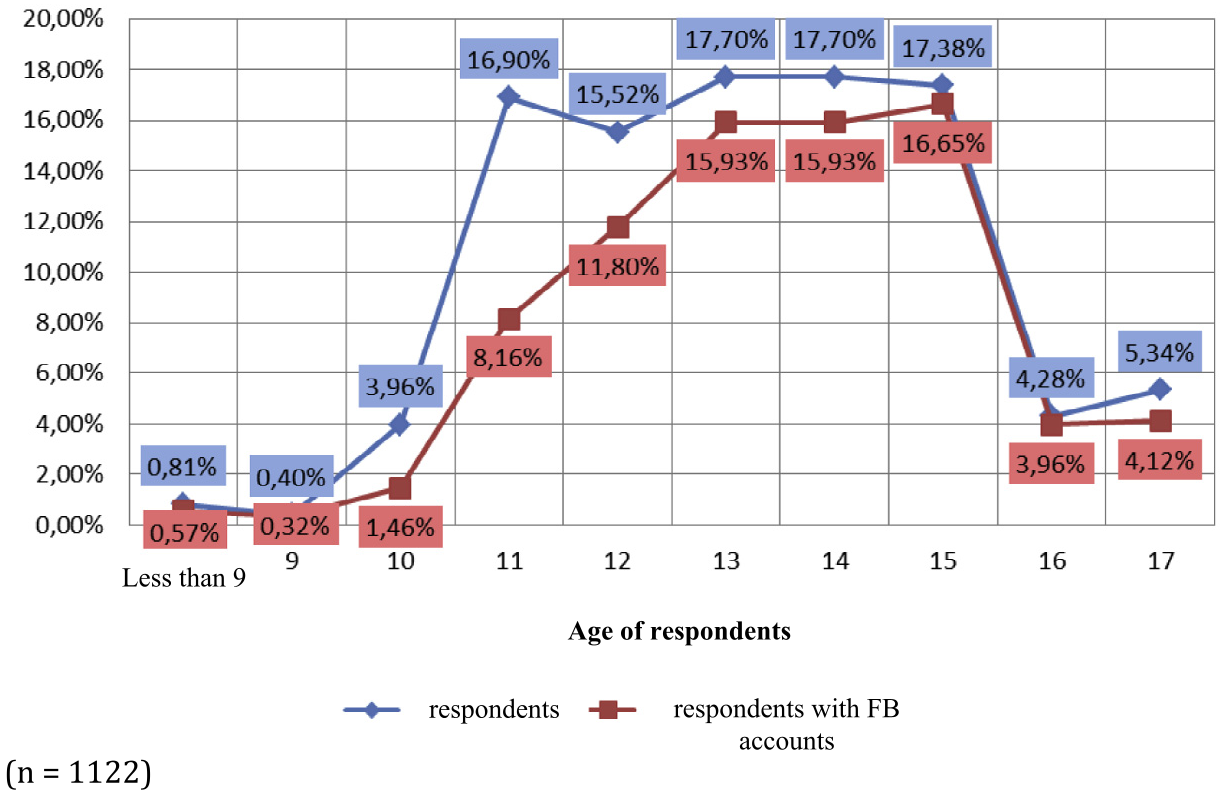 Graph 1: Distribution of Facebook users across different age groups, showing a sharp rise in participation as children reach their teenage years.
The Anatomy of Risk: Cyberbullying and Beyond
The research breaks down risks into five focal areas: peer-to-peer aggression (cyberbullying), inappropriate content, privacy abuse, overuse (addiction), and commercial fraud.
The statistics are sobering:
- 36.6% of children interact with strangers on their profiles.
- 31% have been asked for a photo of their face by someone they only know online.
- 10.6% have been asked for nude photos.
The study utilized Chi-square (X2) indicators to confirm a strong correlation between "sharing facial photos" and "requests for personal meetings," suggesting that seemingly innocent self-disclosure often acts as a gateway to more predatory interactions.
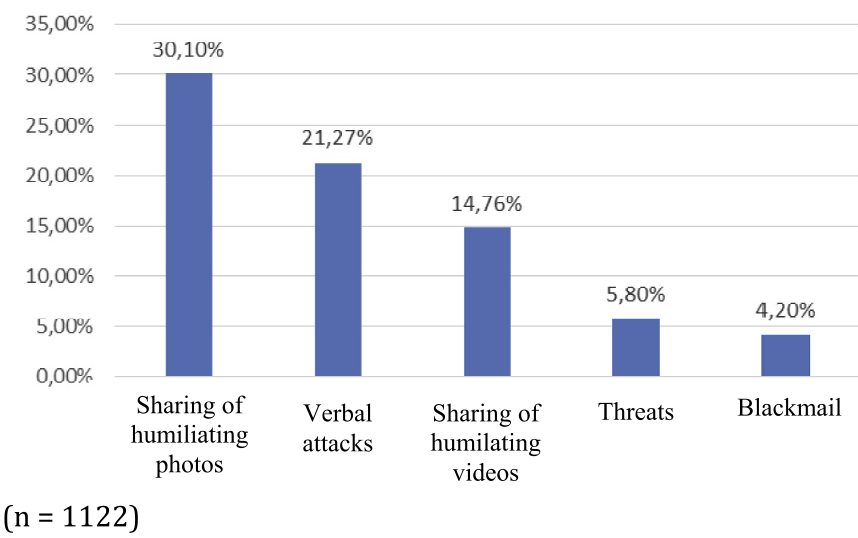 Graph 4: Specific forms of cyberbullying experienced by Czech children, highlighting verbal aggression and identity theft.
Facebook Addiction Disorder (FAD)
The paper doesn't just focus on external predators; it looks inward at the users' psychological health. It identifies Facebook Addiction Disorder (FAD) as a growing concern. Symptoms include:
- Tolerance: Needing more time on the platform to feel satisfied.
- Withdrawal: Irritability and anxiety when offline.
- Functional Impairment: Sacrificing sleep, schoolwork, and physical health (e.g., obesity and carpal tunnel syndrome).
The data shows that older adolescents (16–17) are particularly vulnerable, with over 20% spending more than 6 hours a day on the site.
Critical Insight: The Role of the Parent
The researcher posits that the problem is not the technology, but the lack of "digital guardianship." While 92% of parents know their child has an account, the prevalence of risky behavior suggests a lack of active engagement.
Takeaway for the Future: As children migrate from Facebook to even more private or ephemeral platforms like Snapchat or WhatsApp, the strategies learned here—emphasizing parental mediation over technical bans—will become the cornerstone of digital safety education.
Conclusion
This work serves as a reminder that social networks are powerful double-edged swords. While they offer unprecedented connectivity and opportunities for learning, the lack of adherence to age limits and safety protocols in the Czech Republic has created a landscape where children are effectively navigating "adult" environments without an adult's sense of risk.