
Designing for the Next Generation: Why AI in Childrenswear Needs a Safety Reset
Data Analytics and Application Challenges in the Childrenswear Market - A Case Study in Greece
This study investigates the integration of Data Analytics and Artificial Intelligence in the childrenswear market, specifically focusing on a Greek manufacturer. It highlights the unique tension between AI-driven "fast-fashion" trend prediction and the stringent safety standards (e.g., EU EN 14682) required for kids' apparel.
TL;DR
The childrenswear market is outperforming menswear and womenswear, yet it remains underserved by the latest AI design technologies. This paper explores a critical gap: while AI can predict the next viral trend, it often ignores the rigorous safety standards (like EU 14682) that govern kids' clothes. By using a case study of a Greek manufacturer, the authors propose a path toward AI that is both trend-aware and regulatory-compliant.
Background: The Lucrative but High-Stakes Market
Children's fashion is no longer just about utility; it is a trend-driven market influenced heavily by social media. However, unlike adult fashion, childrenswear must adhere to strict "fit for play" and safety requirements. A misplaced drawstring or a loose button isn't just a design flaw—it's a legal and physical hazard.
The Problem: The "Safety Blindness" of Current AI
Current AI applications in fashion (such as Google’s Project Muze or Amazon’s Lab126) focus on style transfer and popularity prediction. These models analyze thousands of images to generate "must-have" items. However, the authors identify several critical limitations in the academic and industrial SOTA (State of the Art):
- Generic Focus: Most research treats T-shirts as the baseline, ignoring complex items like coats or sets with accessories.
- Lack of Constraints: AI generates visual designs without knowing if a cord is too long for a toddler's safety or if a button poses a choking hazard.
- Real-world Gap: Many models are tested in lab settings and fail to integrate with professional PLM (Product Lifecycle Management) software.
Methodology: Bridging Style and Safety
The paper introduces a framework for a Greek manufacturer that moves beyond simple image generation.
1. The Multi-Context Graph
The proposed AI approach utilizes a graph-oriented data structure representing:
- Semantic Context: Captured via NLP and text mining of market trends and keywords.
- Engineering Context: Directly derived from PLM data, including specific safety rules and material constraints.
- Traceability Context: Tracking the "DNA" of an inspiration to ensure it meets past performance and safety benchmarks.
2. Architecture & Technical Specs
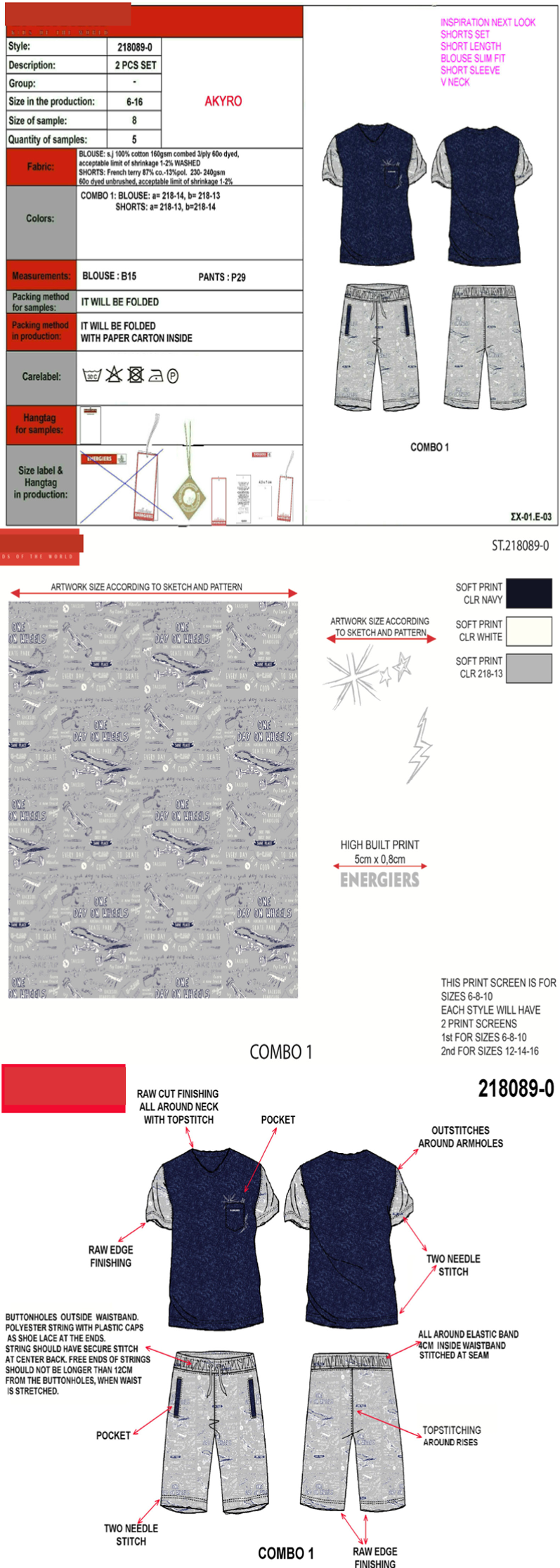 Fig 1: A traditional design sheet used by the Greek manufacturer. The goal is for AI to automate this while respecting the technical call-outs for safety.
The vision is a semi-automated AI process. Instead of the AI acting as a "rogue designer," it serves as a "recommendation engine" that suggests design rules and similar safe items based on the company's historical data and safety certifications (like ISO 9001).
Experiments & Results: Real-World Insight
Through interviews with 10 professionals at a leading Greek retailer, the study analyzed the "Push System" of production. They found that the value-added work (embroidery, accessories, patchwork) is where AI currently fails most significantly.
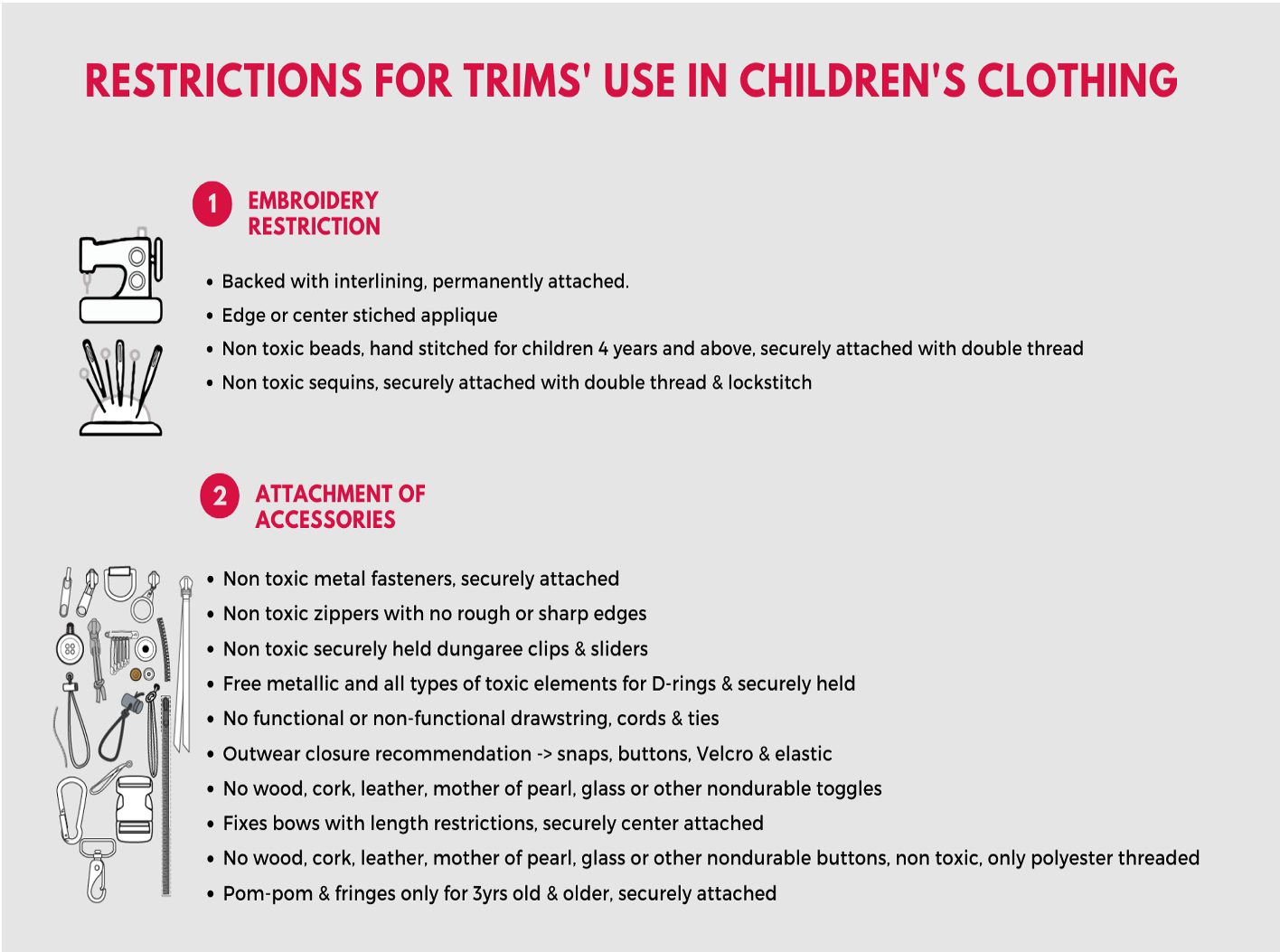 Fig 2: Classification of accessories and embroidery—key areas where safety standards must be strictly enforced during the AI design phase.
Key Findings:
- Efficiency: Integrating AI into the PLM workflow allows for faster transition from concept to production while maintaining compliance.
- Reliability: By including safety technical regulations in the decision-making process, companies can significantly minimize recall rates.
Critical Insight & Future Outlook
The core takeaway is that "Innovation without compliance is a liability." As we move toward Industry 4.0, the "black box" of AI fashion must be opened to include Inductive Biases that favor safety.
Limitations: The paper is a case study and does not yet provide a benchmarked comparison of different generative models (like GANs vs. VAEs) specifically under safety constraints.
Future Work: Future researchers should look into "Constrained Variational Autoencoders" (CVAE) where safety standards represent the constraints in the latent space, ensuring that every generated design is "Safe by Design."
Conclusion
For the Greek childrenswear market, and the global industry at large, AI represents a massive opportunity to reduce costs and improve quality. However, the true winner in the AI race will not be the company with the most creative model, but the one whose AI understands the rulebook as well as it understands the runway.