
Beyond Firewalls: Using AI to Build the "Human Firewall" in Healthcare
Data-Driven and Artificial Intelligence (AI) Approach for Modelling and Analyzing Healthcare Security Practice: A Systematic Review
This paper presents a systematic review of data-driven and Artificial Intelligence (AI) approaches for modeling healthcare security practices. It focuses on identifying effective machine learning methods, such as KNN and Bayesian Networks, to analyze insider behavior and build a "human firewall" against escalating healthcare data breaches.
TL;DR
Healthcare data breaches are skyrocketing, with insiders now responsible for nearly 60% of incidents. This systematic review analyzes how AI can profile healthcare staff behavior to detect anomalies. By identifying KNN and Bayesian Networks as the most effective tools for mining EHR logs, the paper provides a roadmap for shifting security from purely technological barriers to behavioral-based "human firewalls."
The "Honey-Pot" Problem: Why Healthcare is Under Siege
While clinical medicine has rushed into the digital age, cybersecurity has struggled to keep pace. Healthcare data is a "honey-pot" for hackers—medical records are worth significantly more on the black market than credit card numbers.
The authors argue that while technological measures (encryption, traditional firewalls) have matured, the "Human Firewall"—the security-conscious behavior of insiders—is dangerously weak. In complex hospital environments, access control must be flexible (e.g., "Break-the-Glass" protocols), but this flexibility is exactly what malicious insiders or masquerading external actors exploit.
Methodology: Mapping the AI Landscape
The researchers executed a systematic review via the PRISMA 2018 guidelines to pinpoint which AI strategies actually work for analyzing human behavior in clinical settings.
The Core Framework
The review categorized the state-of-the-art across several dimensions:
- Algorithms: Which "math" detects the thief?
- Features: What data points (User ID, Patient ID, Time, Location) are most predictive?
- Data Sources: Where is the evidence hidden (EHR logs vs. Network traffic)?
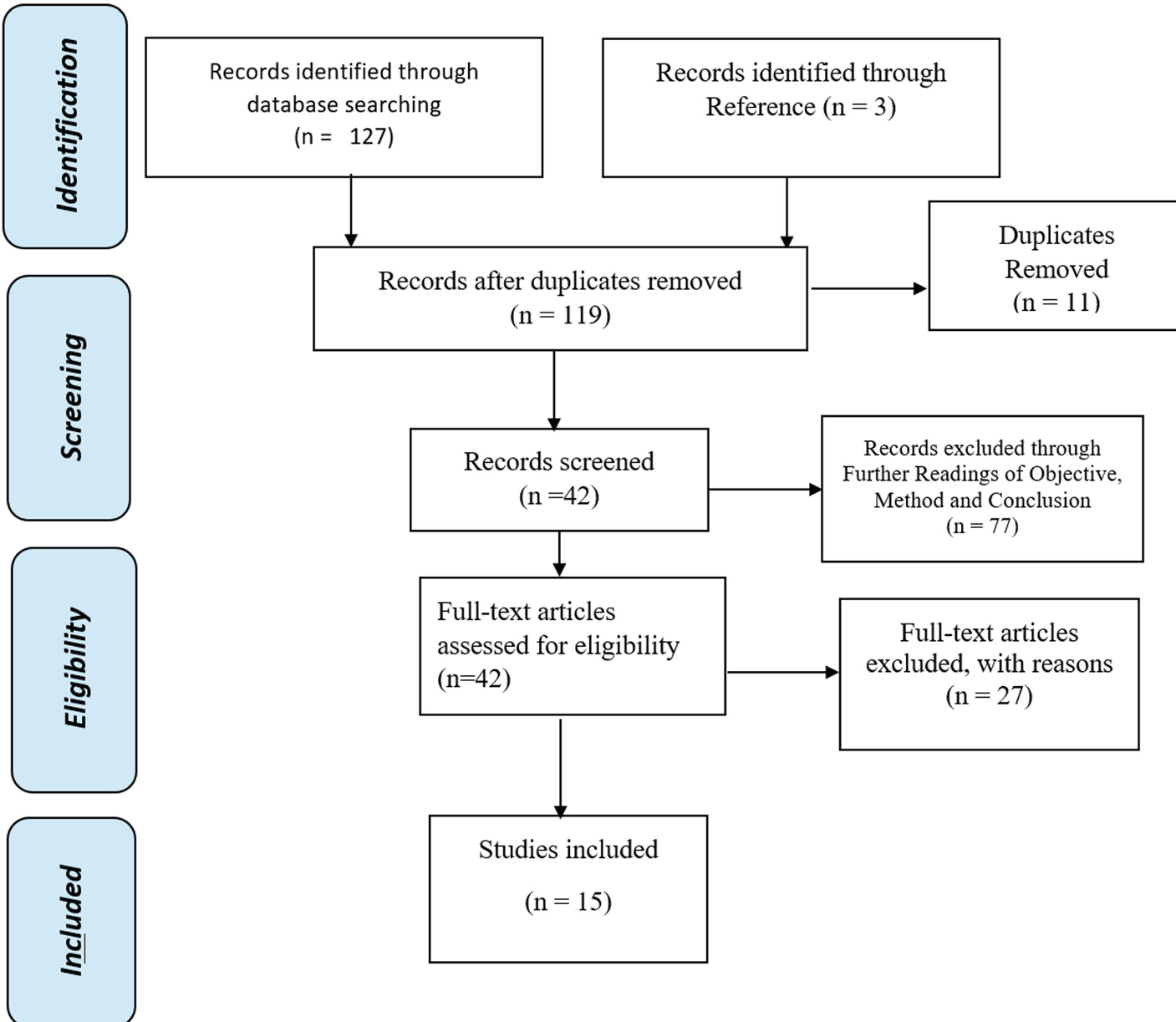
Key Insights: What the Data Shows
The study reveals a clear preference in the academic community for specific tools:
- Top Algorithms: K-Nearest Neighbors (KNN) leads (17%), valued for its simplicity in classifying patterns, followed by Bayesian Networks (BN) (14%), which excel at handling the probabilistic nature of human behavior.
- Gold Mine of Data: 60% of studies rely on Electronic Health Record (EHR) logs. These logs track specific actions like "Delete," "Update," and "View," providing a granular look at how a nurse or physician interacts with sensitive data.
- The Performance Void: Alarmingly, many studies do not provide sufficient comparative performance scores (Accuracy, Precision, Recall), creating a "reproducibility crisis" in healthcare security modeling.
(Note: Table 2 in the paper highlights KNN and Bayesian Networks as the dominant methodologies.)
Technical Deep Dive: Why KNN and Bayesian Networks?
- KNN (K-Nearest Neighbors): By calculating the Euclidean distance between feature vectors (e.g., typical login time vs. current login time), KNN effectively identifies "outliers." However, the paper notes a catch: healthcare lacks labeled data. Emergencies create "noisy" data that looks like an attack but is actually a legitimate life-saving action.
- Bayesian Networks: These are favored because they can incorporate "prior knowledge" and handle independence between features, making them robust for text-based log analysis.
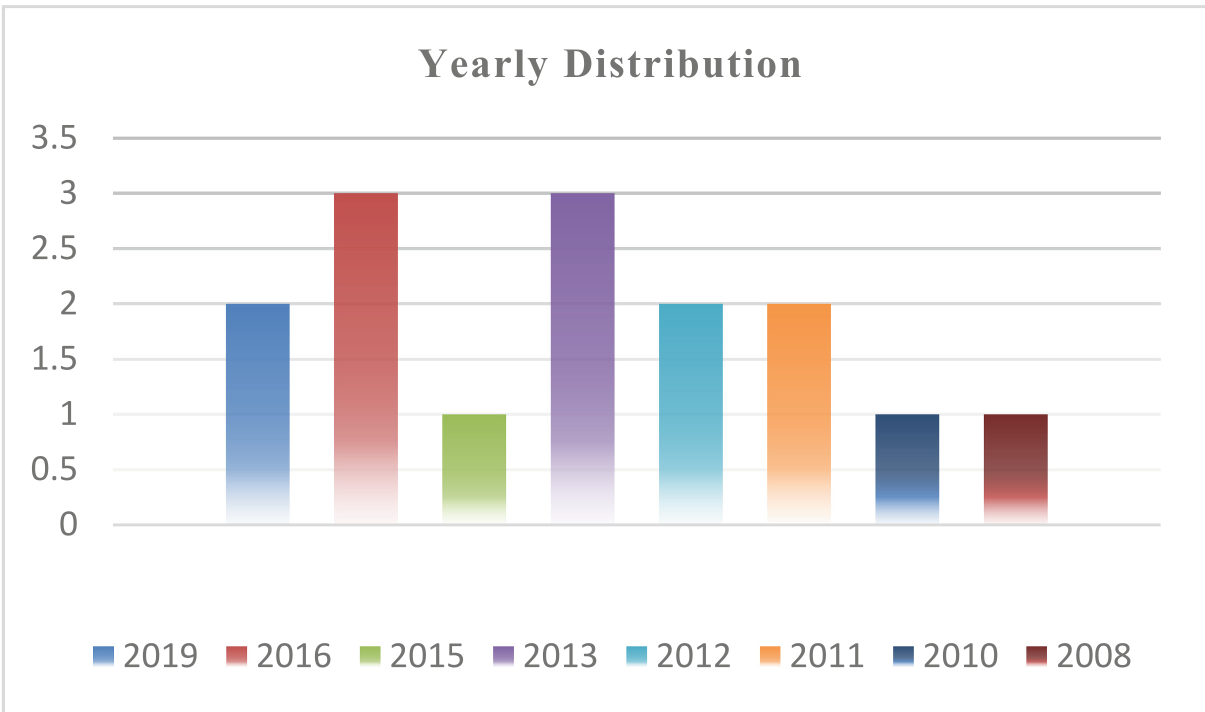
Critical Analysis & Conclusion
The Challenges Ahead
The review candidly identifies several roadblocks:
- The Emergency Paradox: How do you differentiate a malicious data export from a doctor frantically accessing records during a cardiac arrest?
- Privacy vs. Security: Using AI to monitor staff requires "Privacy Preserving Data Mining" (PPDM). Techniques like tokenization and de-identification are essential to prevent the security system itself from becoming a privacy risk.
Final Takeaway
The HSPAMI project represents a vital shift toward behavioral cybersecurity. The future of healthcare security isn't just better passwords; it's an AI-driven understanding of what "normal" care looks like, allowing systems to flag deviations before they become headline-grabbing breaches. The next step for the field is clear: we need standardized benchmarks and larger, real-world datasets to move these AI models from the lab to the hospital floor.