
Designing a Data-Driven Online Employment Management System for Higher Education
Design and Realization of Online Employment Management System Based on Data Mining
This paper presents the design and implementation of a College Employment Management System leveraging SQL Server 2000 and the .NET framework. It integrates data mining principles into a modular MIS architecture to automate graduate tracking, employment agreement registration, and statistical reporting.
TL;DR
This research addresses the administrative bottleneck in university graduate services by developing an Online Employment Management System. Built on the SQL Server 2000 and .NET stack, the system transitions from chaotic manual filing to a structured, data-mining-ready architecture that automates everything from agreement registration to employment trend analysis.
Background & Motivation: Moving Beyond Spreadsheets
As higher education enrollment expands, the complexity of tracking graduate outcomes has grown exponentially. Current systems often face three critical issues:
- Information Silos: Data on student performance, awards, and employment are often disconnected.
- Lack of Security: Basic file-sharing lacks granular access control (e.g., distinguishing what a class monitor can see vs. a university leader).
- Static Data: Traditional databases store data but rarely "mine" it for trends that could guide institutional policy.
The author's insight is to use a modularized design combined with relational data modeling to create a scalable platform that serves as both a record of truth and a decision-support tool.
Methodology: The Architecture of Information
The system is built with a focus on practicability and security. By utilizing the inherent security mechanisms of Windows and SQL Server, the system ensures that sensitive student data is protected while remaining accessible to authorized personnel.
1. Database Normalization and Coding
To reduce redundancy, the system employs a "Code Database." Instead of repeating long strings like "Computer Science and Technology" in every student record, the system uses concise codes that map to original values only during the display or printing phase.
2. Functional Hierarchy
The system is divided into clear operational modules:
- Graduate Information Management: Handling the CRUD (Create, Read, Update, Delete) operations for natural conditions, results, and disciplinary records.
- Employment Agreement Tracking: Managing the lifecycle of signing and drawing employment agreements.
- Statistical Analysis: The "Data Mining" component that generates trend charts and employment rates across different dimensions.
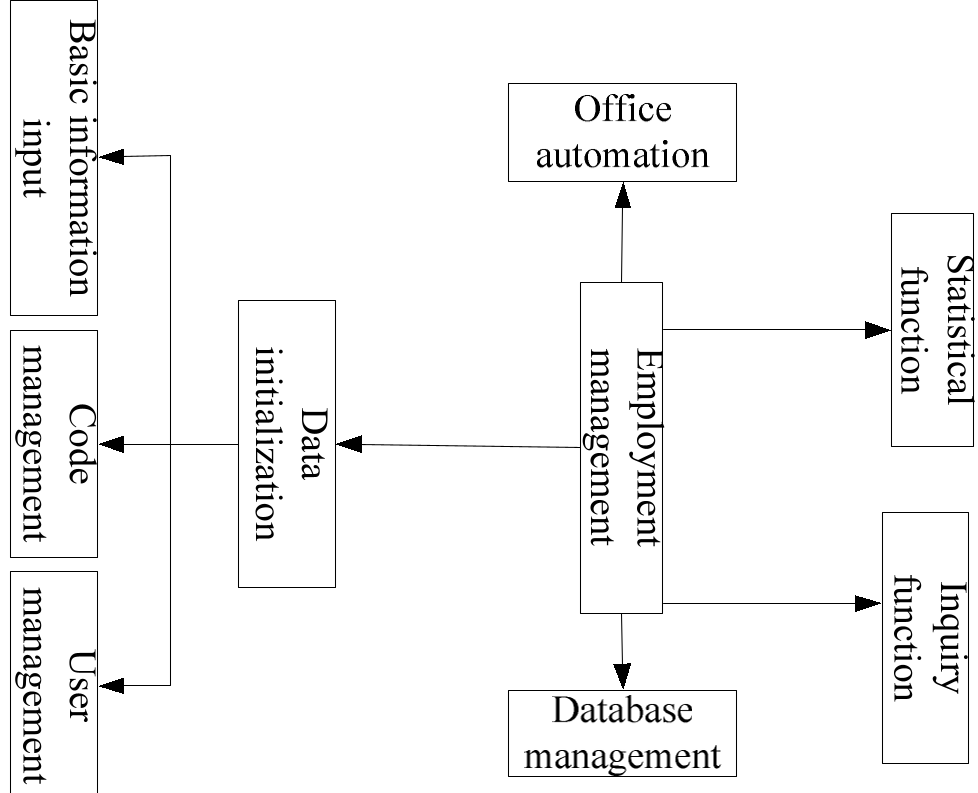 Figure 1: The modular architecture of the Graduate Online Management System.
Detailed Core Data Structure
The heart of the system lies in its relational tables. The Student Natural Condition Table serves as the primary anchor, linked via a unique "Student No." to results, awards, and punishment tables.
| Field Name | Type | Length | Description |
|---|---|---|---|
| Student No. | CHAR | 6 | Primary Key |
| Specialty | CHAR | 6 | Linked via Code |
| Training Mode | CHAR | 2 | Linked via Code |
| Graduate Prospects | CHAR | 30 | Target Outcome |
Implementation: The Developer's Stack
The realization utilized Visual Studio .NET 2003, enabling the system to support a wide range of devices (from PCs to early mobile devices like Pocket PCs) through the .NET Compact Framework. This choice ensured the system was forward-compatible for the mid-2000s tech landscape.
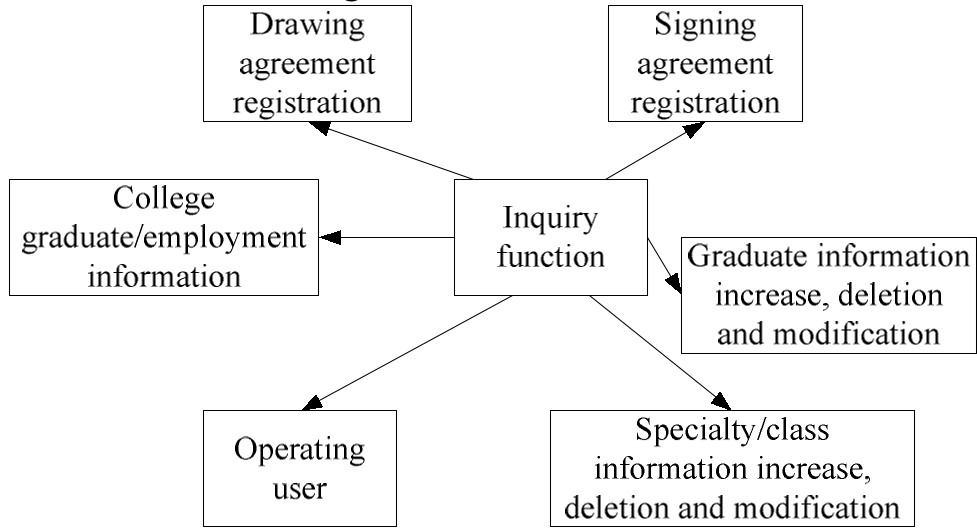 Figure 2: The logic flow for the multi-dimensional inquiry function.
Critical Insight & Conclusion
The significance of this work lies not just in the software itself, but in the standardization of the employment workflow. By enforcing a specific data structure for awards, results, and agreements, the university can generate real-time metrics like:
- Weekly employment velocity.
- Comparative employment rates by specialty.
- Correlations between academic results and job placement.
Future Outlook: While this system provides a robust foundation for SQL-based management, the next evolution would involve integrating predictive analytics—using the "Data Mining" aspect not just for statistics, but to identify students at risk of unemployment before they graduate.
In conclusion, the system transforms college employment management into a "highly digital, normalized, and scientific" platform.