
Data-Driven Talent Acquisition: How Data Mining Revolutions Personnel Selection in High-Tech
Data mining to improve personnel selection and enhance human capital: A case study in high-technology industry
This paper proposes a data mining framework utilizing decision trees (specifically CHAID) and association rules to enhance personnel selection in the high-tech semiconductor industry. By analyzing historical employee data, the system predicts work performance and retention rates to provide actionable recruitment strategies.
TL;DR
In the knowledge economy, the "right" person is more valuable than a thousand "average" ones. This paper presents a specialized data mining framework designed for the semiconductor industry to solve the twin headaches of HR: performance prediction and employee retention. By applying decision tree algorithms to historical personnel data, the researchers extracted hidden "success rules" that traditional interviews often miss.
Background: The High-Tech Talent Gap
The semiconductor industry is a high-pressure environment characterized by rapid product cycles and extreme precision. Conventional recruitment relies on static job descriptions and "gut feeling" interviews. However, the authors argue that these are insufficient for modern knowledge workers. High-tech firms often suffer from a paradox: they attract the best graduates but struggle with high turnover and mismatched expectations.
The "Why": Why Data Mining?
Most HR departments treat data as a digital filing cabinet. The authors shift this perspective, viewing data as a predictive engine. They chose Decision Trees (CHAID) because:
- Interpretability: Unlike "black-box" neural networks, decision trees produce clear "if-then" rules that HR managers can understand and trust.
- Categorical Handling: HR data is mostly categorical (Degree, School, Marital Status), which CHAID handles efficiently using significance tests.
Methodology: From Raw Data to Strategic Insight
The framework follows a 6-step workflow: problem definition, data collection, preparation (cleaning noisy HR records), model construction, evaluation (using Lift and Confidence), and knowledge extraction.
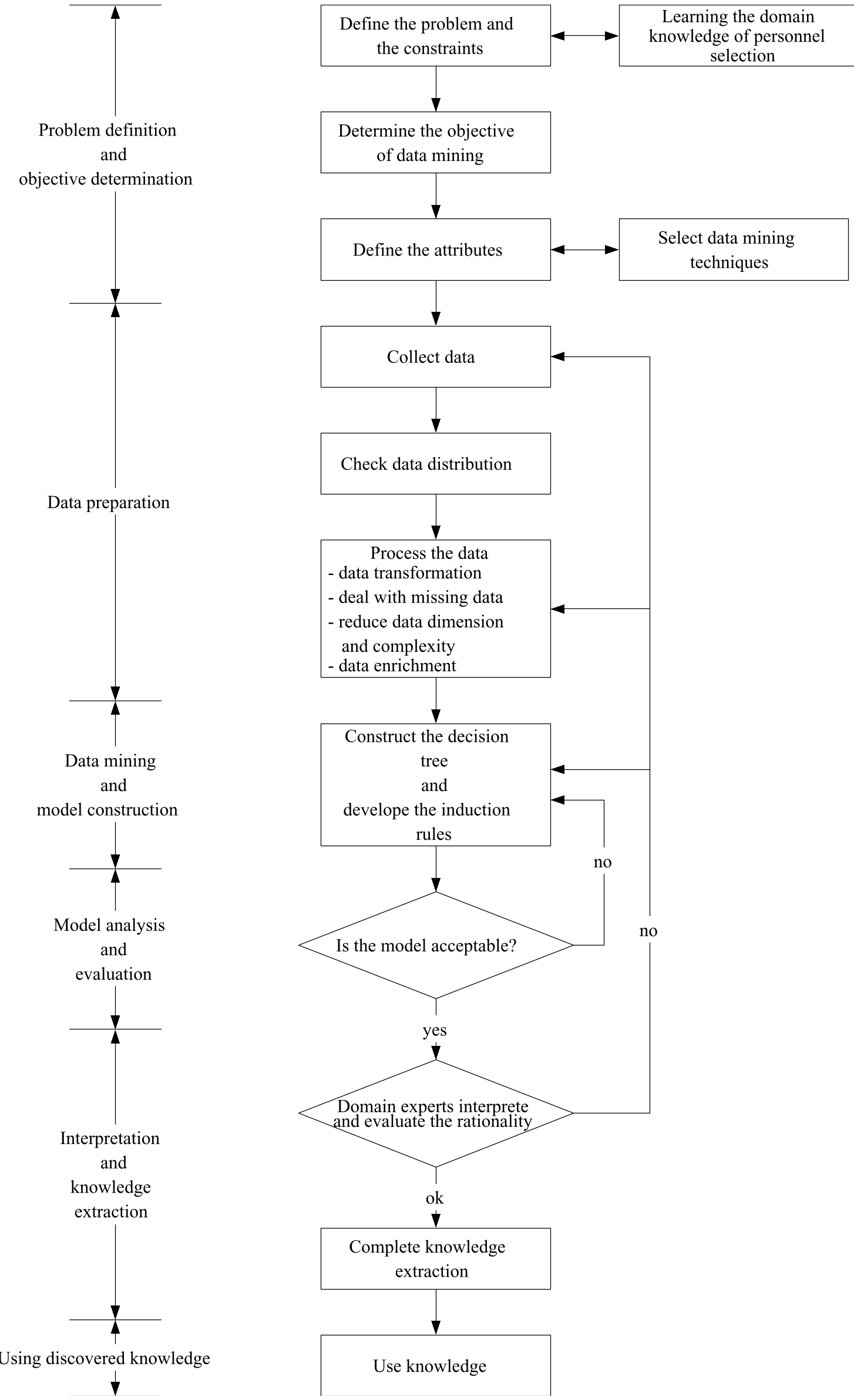 Figure 1: The Human Resource Data Mining Framework.
The study analyzed 3,825 engineers, focusing on two extremes:
- Job Performance: Identifying the top 10% (Outstanding).
- Retention: Tracking those who quit within the 3-month probation or first year.
Critical Findings: The "Hidden Rules"
The results from the semiconductor case study challenged some common hiring assumptions:
- The Power of Referrals: Employees from internal channels consistently outperformed external hires. Internal referrals often share the organizational culture before day one.
- The "Top School" Paradox: While graduates from tier-1 universities performed well, they had a much higher resignation rate in certain "tedious" functions (like equipment engineering).
- The "Experience" Double-Edged Sword: Experienced hires in technical support functions were 2.5x more likely to quit early compared to fresh graduates, often because they compared the new high-pressure environment unfavorably to their past jobs.
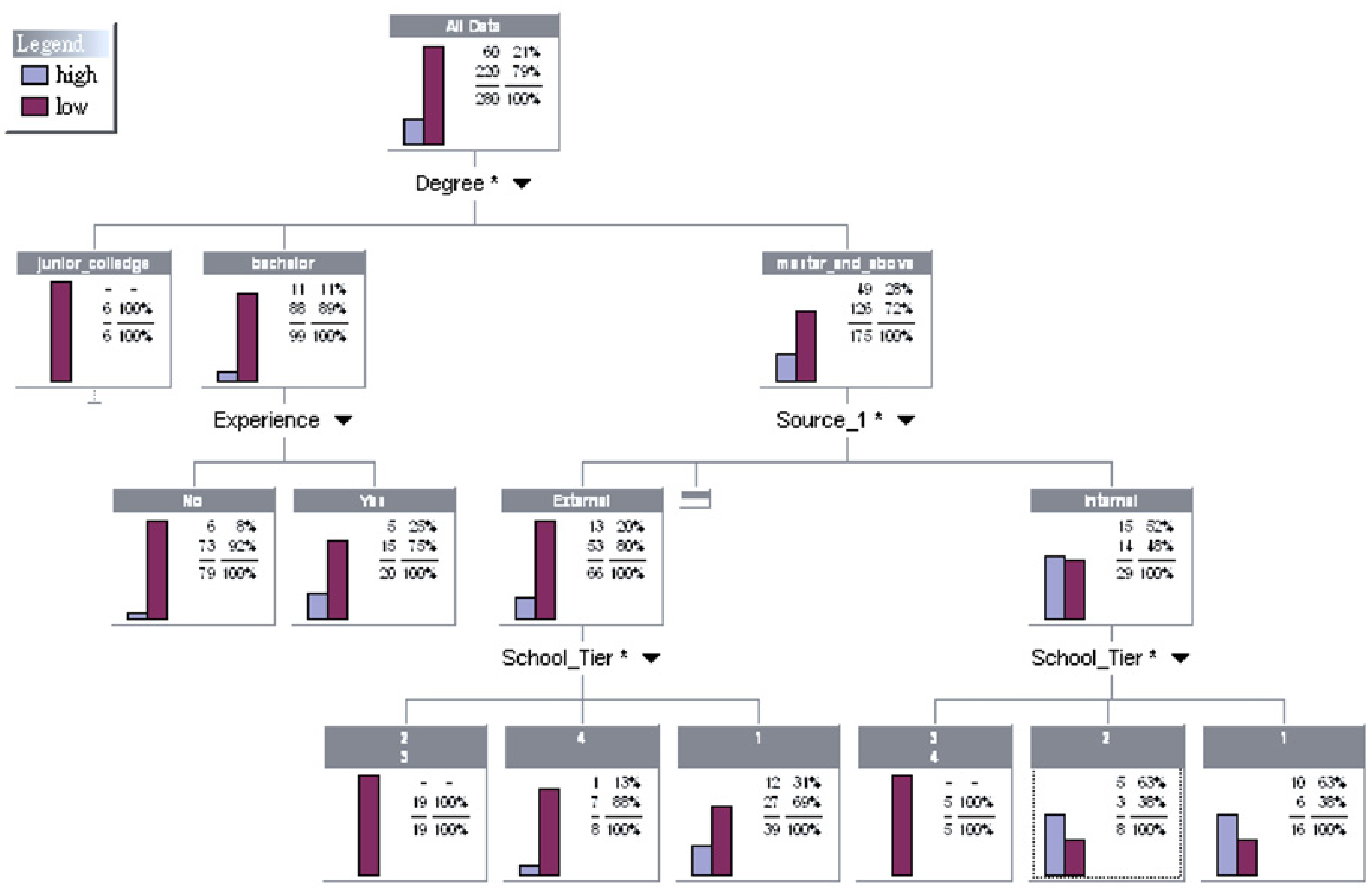 Figure 2: Example of a Decision Tree structure used to isolate performance variables.
Impact and Strategy
The company didn't just publish a paper; they changed their business. Based on the rules, they:
- Boosted Referral Bonuses: Since internal hires had a higher "Lift" for excellence.
- Implemented Job Rotation: To keep high-potential tier-1 graduates engaged in challenging roles.
- Redesigned Mentoring: Specifically targeting experienced hires in high-risk functions to reduce first-year churn.
Deep Insight & Conclusion
This work highlights that Human Capital is not a commodity. A "best" candidate on paper might be a "poor fit" for a specific job function. The real value of this research lies in its function-specific analysis—recognizing that the rules for a Research Engineer (Function B) are radically different from a Customer Liaison (Function C).
Limitations: The study acknowledges that purely demographic data (age, gender, education) has its limits. Future HR models should integrate psychometric testing and skill-based assessments to further tune the predictive accuracy.
The Takeaway: For high-tech leaders, the message is clear: Stop hiring based on resumes alone. Start mining your history to predict your future.