
Harmonizing IPTV and Social Media: A Standardized Data Model for Reputation Analysis
Data model for reputational analysis for combined medias, social networks and IPTV
The paper proposes a comprehensive data model for designing a reputational Ontology that integrates Smart TV/IPTV services with Social Network Systems (SNS). It aims to standardize how audience evaluations and sentiments are captured across platforms to improve service quality.
TL;DR
The divide between traditional broadcast (IPTV) and social conversations (SNS) creates a "data gap" in understanding viewer satisfaction. This paper proposes a comprehensive Reputational Data Model that bridges these worlds, transforming raw social media noise into a structured Ontology for improving Smart TV services.
Background & Positioning
As television transitions into an internet-based, personalized experience, the industry has focused on three pillars: time-shifted viewing, personalization, and social sharing. While the first two are technologically mature, "social sharing" remains disorganized. This work positions itself as a structural bridge, moving beyond simple "Twitter viewing rates" toward a formal Ontology-driven approach that standardizes how reputation is measured and managed in the IPTV ecosystem.
The Core Challenge: Data Formalization
Existing standards like TV-Anytime were built for metadata (e.g., titles, genres) but fail to capture the nuances of reputation. The authors identify two major pain points:
- Poor Formality: Raw SNS evaluations are unstructured and difficult to map to specific broadcast content.
- Standardization Delay: Without a normalized Ontology, service providers cannot easily share insights or benchmark their performance against competitors using third-party data.
Methodology: The Six-Part Unified Model
The authors break down the complexity of social-broadcast interaction into a granular class-based architecture.
1. The Multi-Tier Evaluation Architecture
The model separates evaluations into two phases:
- 1st Evaluation: Direct feedback from IPTV users or raw posts on SNS.
- 2nd Evaluation: Processed metrics generated by an
AggregatorEntity. This involves mapping "Sentimental Degree" and "Quality Level" to provide business intelligence.
2. Strategic Integration
Instead of reinventing the wheel, the model imports the TV-Anytime content description metadata and incorporates the Open IPTV Forum functional architecture.
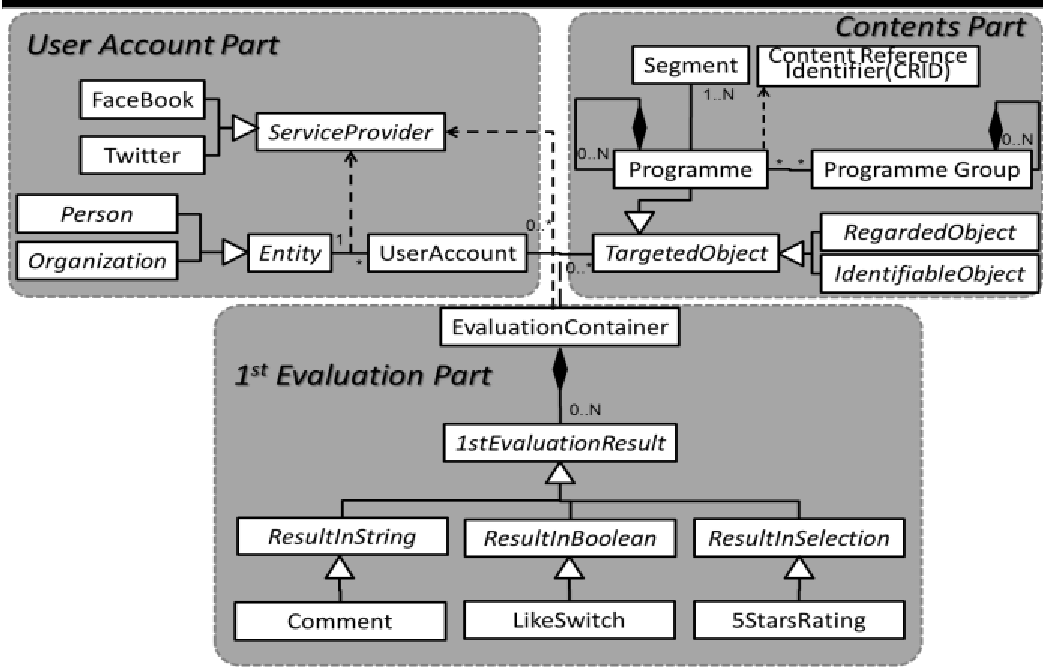 Fig 1. User Account, Contents, and 1st Evaluation Parts
Experimental Insight & System Evolution
While the paper focuses on the Data Modeling stage, it provides a roadmap for the evolution of the domain. By implementing this model, service providers can:
- Identify Root Causes: Link technical service issues (e.g., buffering) to negative sentiment in real-time.
- Break Vendor Lock-in: By using a standardized Ontology, operators can more effectively evaluate and replace sub-contractors or elemental service vendors based on objective "End User Reputations."
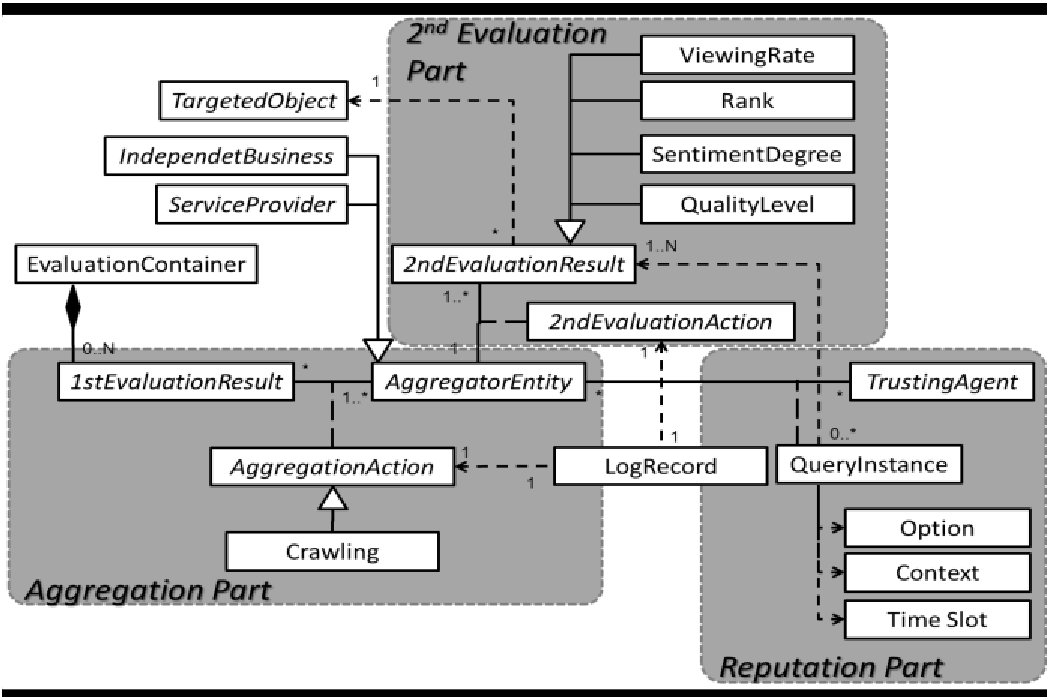 Fig 2. Aggregation, 2nd Evaluation, and Reputation Parts
Critical Analysis & Future Outlook
The strength of this model lies in its modularity. It explicitly accounts for the AggregatorEntity, recognizing that in a Big Data world, the "middleman" who cleans and analyzes data is as important as the source itself.
Limitations:
- The model provides the structure but does not specify the algorithms for Sentiment Analysis (though it references them).
- Privacy and anonymization are mentioned as "should initially be executed," but a formal protocol for this within the Ontology is not fully detailed.
Conclusion
This paper serves as a foundational blueprint for the next generation of Smart TV analytics. By formalizing the relationship between social media buzz and service quality, it moves the industry closer to a world where user reputation is a primary driver of service refinement.