
Beyond Financials: Why Data Protection is the New Pillar of Corporate Reputation
Is Data Protection a Relevant Indicator for Measuring Corporate Reputation?
This paper explores the critical intersection between cybersecurity and corporate branding, arguing that Data Protection should be an explicit indicator in measuring corporate reputation. Drawing from established management models like the Reputation Quotient (RQ), the authors propose integrating privacy safeguards into the analytical frameworks used to assess organizational value.
TL;DR
In an era where data is the most valuable currency, a single cyberattack can destroy decades of brand equity. This paper argues that our current methods for measuring Corporate Reputation are outdated because they ignore a critical factor: Data Protection. The authors propose that cybersecurity should be integrated into standard reputational models as a core indicator of organizational health and social responsibility.
Background: Reputation as an Intangible Asset
Reputation is not a static score; it’s a dynamic social construction. It’s the "amalgamation of perceptions" held by customers, investors, and employees. For years, companies focused on "Emotional Appeal" or "Financial Performance" to build their image. However, the digital shift has introduced a new vulnerability: the Data Breach.
The Problem: The Missing Link in Metric Models
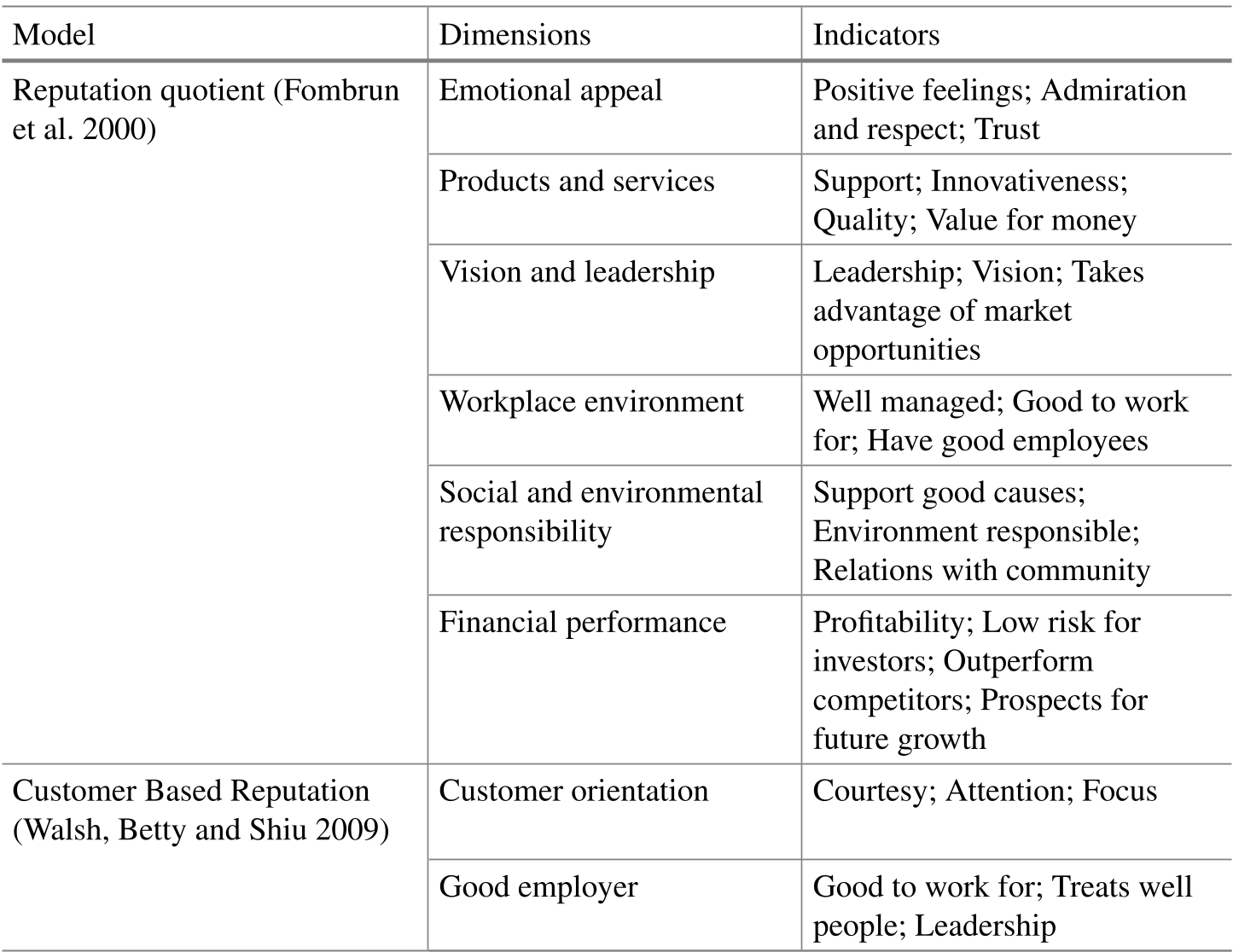
The authors identify a significant gap in the literature. Leading frameworks used by executives to measure "Reputational Capital" focus on:
- Vision & Leadership
- Workplace Environment
- Financial Reliability
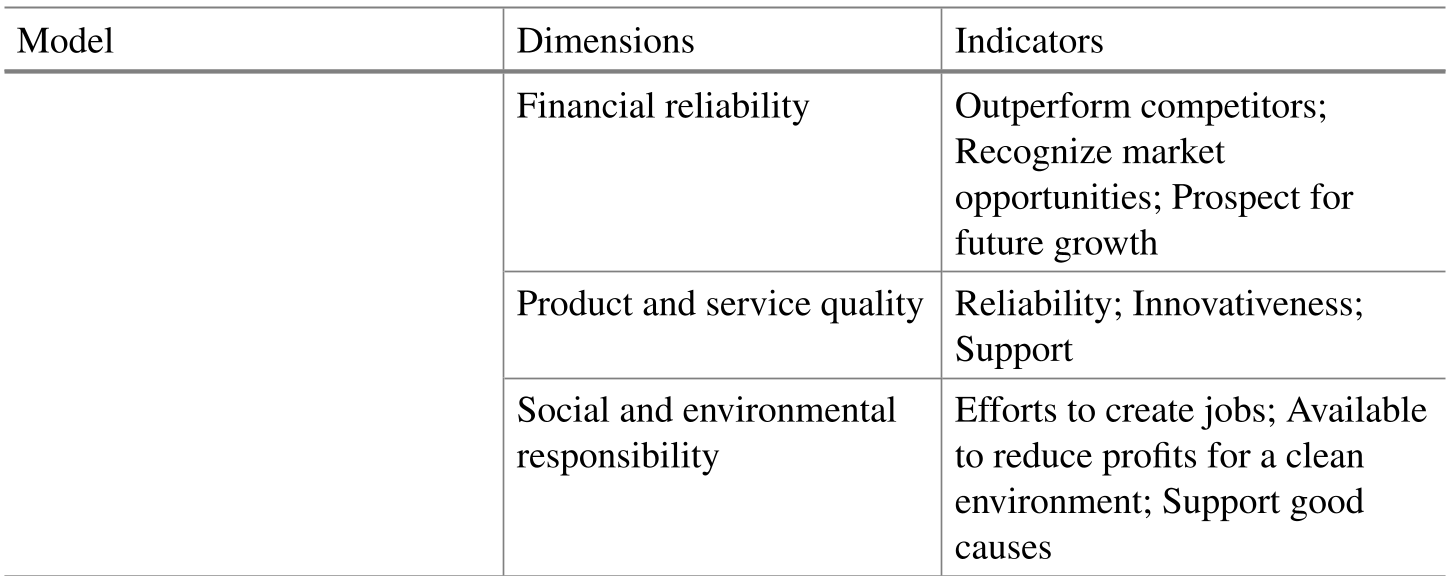
None of these explicitly measure how well a company guards sensitive information. As shown in the table below, even the most famous models like the Reputation Quotient relegate "Trust" to a general emotional feeling rather than a measurable technical and ethical commitment to data security.
Methodology: Re-centering the Customer
The paper suggests that Data Protection should be treated as a subset of Corporate Social Responsibility (CSR) or Customer Orientation. The logic is simple: if a company claims to be "customer-centric" but fails to protect customer privacy, its reputation is built on a hollow foundation.
The authors analyze the impact of the GDPR (General Data Protection Regulation), noting that transparency is no longer optional. When a breach occurs, the "victim" status is twofold: the company loses assets, but more importantly, the customers lose their sense of security. Cases like Equifax and Ashley Madison prove that the cost of a breach isn't just a legal fine—it's a long-term erosion of consumer confidence that can take years to recover.
A New Framework for Measurement
The authors propose a shift in the analytical approach to reputation. By including data security as a "quality indicator" for services, companies can signal their "Trustworthiness" more effectively.
Key Insights:
- Temporal Build-up: Reputation takes years to build through consistent data safety but only 72 hours (the GDPR reporting window) to collapse.
- Strategic Advantage: Companies that prioritize "Privacy by Design" can use cybersecurity as a competitive differentiator to attract talent and high-value clients.
Deep Insight & Conclusion
The core takeaway is that Cybersecurity is Communication. It is the ultimate manifestation of how an organization values its relationship with its stakeholders.
Limitations: The paper is primarily conceptual and qualitative. It provides the logic for the change but does not offer a new mathematical weighting for how "Data Protection" should influence an overall Reputation Score (e.g., should it account for 5% or 20% of the total index?).
Future Outlook: As AI and deepfake technology become more prevalent, the definition of "Data Protection" will likely expand to include "Information Integrity." Companies that fail to adapt their reputational models to include these technical safeguards will find themselves vulnerable to a new type of "perceptual crisis" that traditional PR cannot fix.