
Engineering Trust: Protecting Data in the Age of Social Medicine
16449_Data Protection in Healthcare Social Networks.
This paper explores the critical privacy and security challenges within Healthcare Social Networks (HSNS), such as Sermo and PatientsLikeMe. It proposes a comprehensive framework of system requirements—moving beyond isolated technical fixes to a holistic system-design approach—to protect sensitive patient data while maintaining the collaborative benefits of social medicine.
TL;DR
Healthcare Social Networks (HSNS) are a double-edged sword: they accelerate medical research through the "wisdom of crowds," yet they create massive repositories of sensitive health data vulnerable to exploitation. This paper argues that technical fixes are insufficient. Instead, we need a fundamental shift in system architecture—moving toward "Privacy by Default" and rigorous auditability to protect patients from discrimination and identity theft.
The Paradox of Openness
Social networks like Sermo (for doctors) and PatientsLikeMe (for patients) have revolutionized healthcare. They provide empathetic support and real-world data on drug efficacy that clinical trials often miss. However, their greatest strength—openness—is also their greatest vulnerability.
The author highlights a chilling reality: even "exclusive" networks for physicians can be breached using just four pieces of public information (Name, Medical School, Graduation Date, and DEA number). Meanwhile, patient-oriented sites often rely on business models that sell "de-identified" data to pharmaceutical companies, creating a persistent risk of re-identification through advanced data mining.
Methodology: A System-Centric Defense
The core insight of this research is that privacy is not just a setting; it is a system requirement. The author proposes a five-pillar framework to rebuild HSNS architectures:
1. Protect Data by Default
Rather than making users dig through complex menus, profiles should be private by design. This "Opt-in" approach ensures that even the most inexperienced users are protected.
2. Privacy-Preserving Data Sharing
The system must provide fine-grained controls. More innovatively, the author suggests visualizing exposure: using graphic displays of the social network to help users understand exactly who can see their data.
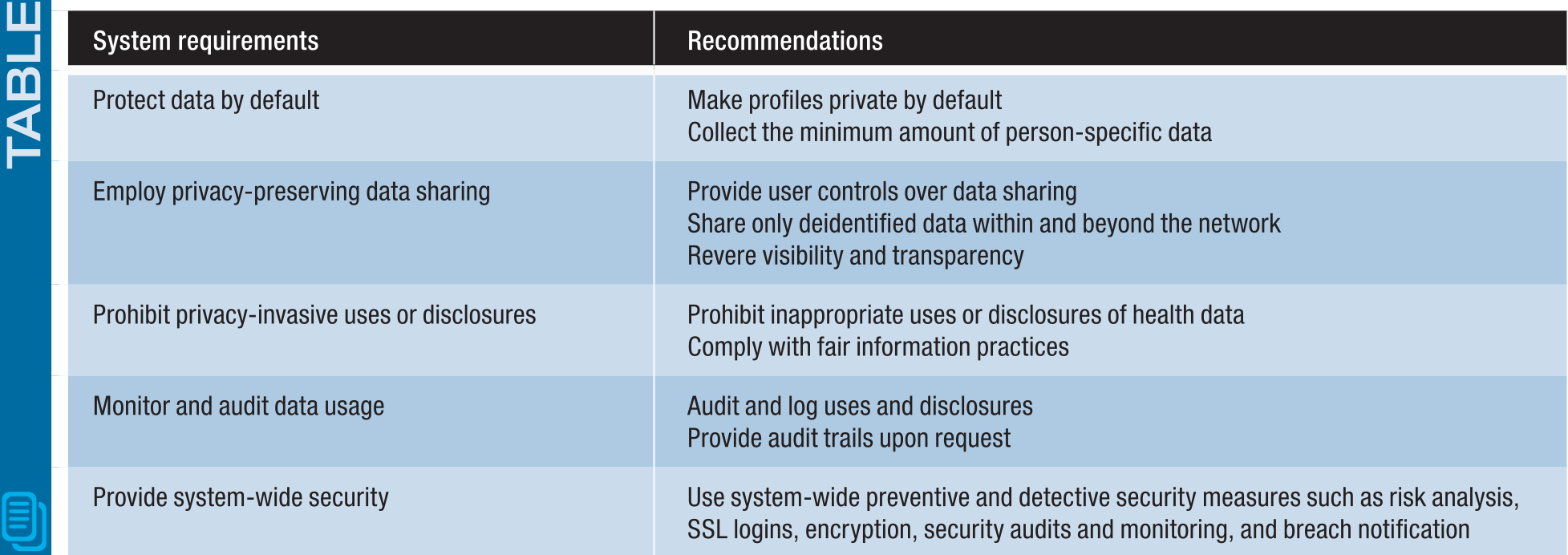 Table 1: The proposed system-wide preventive and detective security measures.
Case Studies: When "Anonymity" Fails
The paper dissects two industry leaders to show the cracks in the current foundation:
- Sermo: Despite promising a "closed" community, its reliance on easily obtainable public data for verification makes it a target for malpractice attorneys and journalists.
- PatientsLikeMe: While it empowers patients, its revenue comes from data-sharing partnerships. The risk here is de-anonymization—where sophisticated actors link "anonymous" health profiles back to real identities, potentially leading to insurance or employment discrimination.
 The evolving social networking paradigm in healthcare focus shift.
Critical Analysis & Conclusion
Takeaway
The paper effectively argues that the "open philosophy" of social media is fundamentally at odds with the "sensitivity" of medical data. The only way forward is for HSNS providers to view privacy protection as a competitive advantage rather than a regulatory burden.
Limitations
While the system requirements are robust, the paper was written before the full explosion of AI-driven social engineering. Today's attackers use LLMs to automate the "human" element of social engineering, making the author's call for "system-wide security" even more urgent but significantly harder to implement.
Future Outlook
We are moving toward a world of "zero-trust" healthcare. Future research must look into Blockchain for audit trails and Differential Privacy to allow researchers to study population-level trends without ever accessing individual-level raw data. If we don't solve the trust gap, the "wisdom of crowds" in medicine will dry up as users retreat to the shadows to protect their privacy.