
Decentralization: Reclaiming Your Digital Personality from the Logic of Datafication
Decentralization: A Confluence of Data and Digital Personality
This paper explores the intersection of social networking, datafication, and digital personality, proposing a shift from centralized Web 2.0 architectures to decentralized Web 3.0 frameworks. It positions blockchain-based decentralized applications (dApps) as the primary solution for restoring data ownership and user privacy.
TL;DR
Social media has evolved into a double-edged sword: while it builds "Social Capital," it simultaneously fuels addiction and subjects users to mass "Datafication." This paper argues that the technical antidote is a transition to Web 3.0 and Decentralized Architectures, shifting control from Silicon Valley silos back to the individual through blockchain and distributed storage.
The "Data-as-Product" Trap
In the current Web 2.0 paradigm, users are not customers; they are the raw material. The process of Datafication transforms our social behaviors, likes, and interactions into predictable data points.
The author points out a critical psychological loop:
- The Hook: Platforms fulfill Maslow’s hierarchy of needs (Love, Esteem).
- The Cost: Constant "narcissistic" feedback loops (likes/comments) lead to addiction.
- The Shadow: Third parties collect this data to predict and manipulate behavior, often ignoring ethical considerations for financial gain.
The Technical Catalyst: Big Data's 5V Framework
To understand how platforms exploit us, we must look at the technical properties of the data they collect. The paper highlights the 5Vs of Big Data as the foundation of modern media analytics.
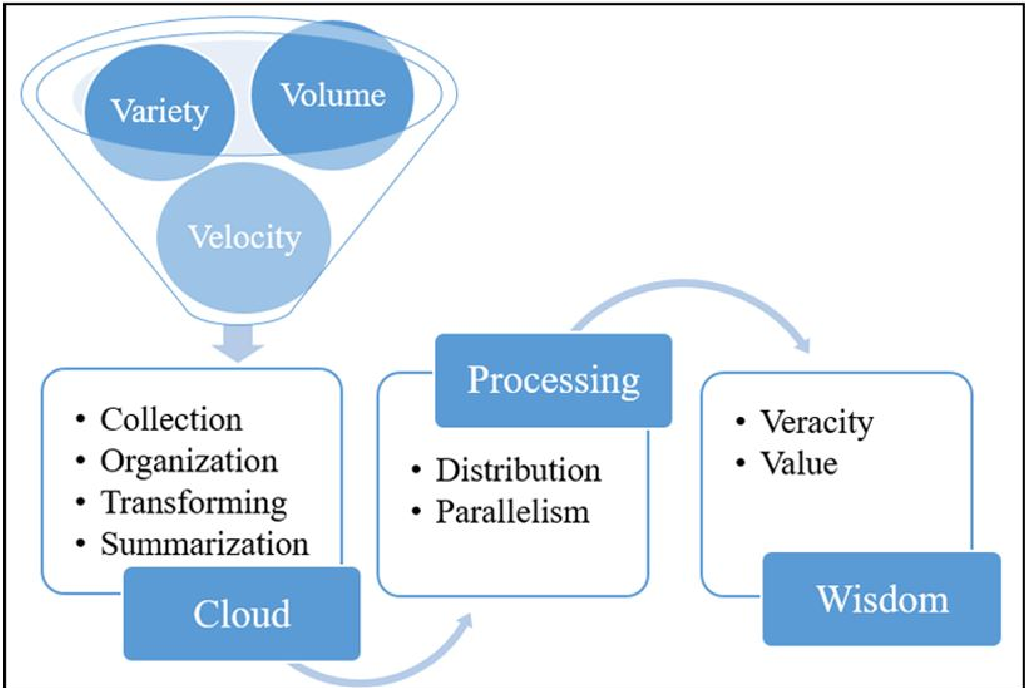
While Volume, Variety, and Velocity are engineering challenges, Veracity and Value are where the business "insight" is born. Current centralized providers use these to create a "gambling strategy" to keep users online, maximizing the data extraction window.
The Solution: A Decentralized Stack for Web 3.0
The core contribution of the paper is the proposal for a Decentralized Architecture. Unlike Web 2.0, which only updated the "front-end," Web 3.0 re-engineers the "back-end."
The Decentralized Layer Cake
The paper defines a multi-layered approach to take back control:
- Application Layer: dApps and specialized browsers replace monolithic apps.
- Service Layer: Smart contracts manage logic without a central CEO.
- Protocol Layer: Consensus algorithms ensure data integrity among strangers.
- Network Layer: Utilizing Trusted Execution Environments (TEE) to isolate sensitive data processing.
- Infrastructure Layer: P2P nodes and tokens replace corporate data centers.
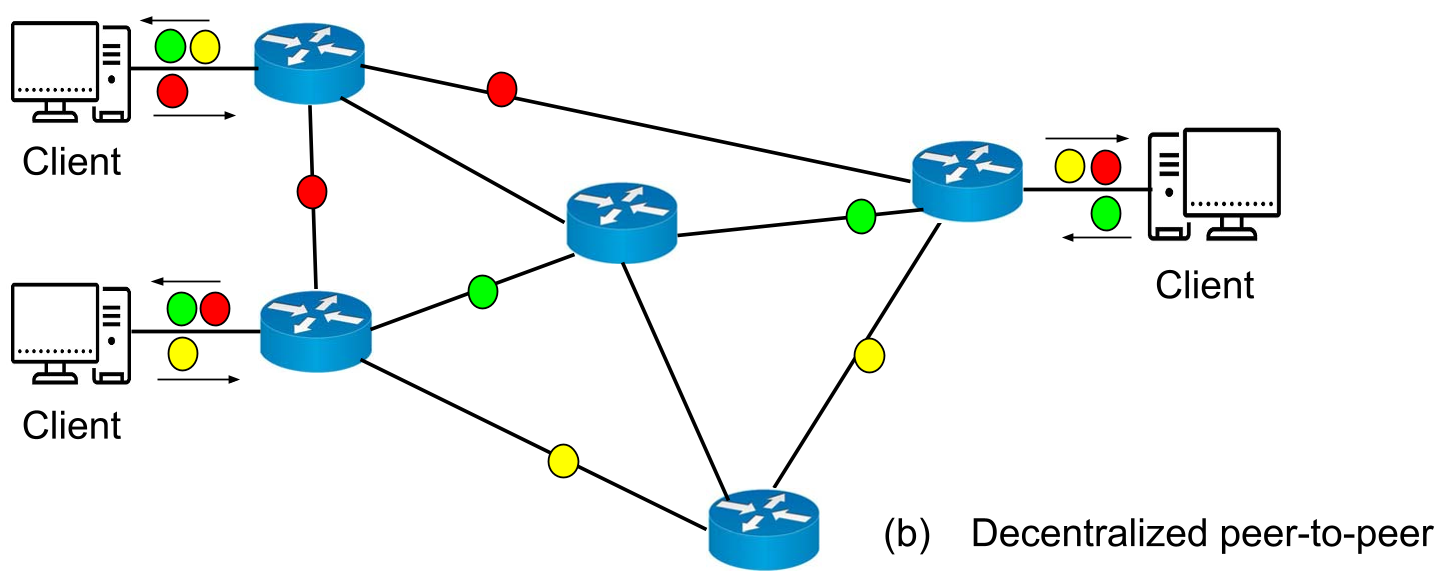
How Decentralization Changes the Game
In the centralized model, a single server (and the company that owns it) holds the "keys" to your digital life. In the Decentralized Model, the application runs locally on the user's machine, and data is stored across a Distributed Hash Table (DHT) or a blockchain.
- Ownership: You own your "Digital Personality" via encryption.
- Security: No single point of failure; data is not stored in one place for hackers (or brokers) to exploit.
- Trust: Relying on mathematics and consensus protocols rather than corporate "Don't be evil" mottos.
Critical Insight: It's Not About the Technology, It's About the Usage
The author concludes with a poignant reminder: Technology itself isn't addictive; the activities it facilitates are. Social networking addiction is effectively an addiction to human connection and the "good feelings" generated by digital validation.
By moving to a decentralized web, we don't necessarily stop social networking, but we remove the predatory intermediaries that profit from intensifying these addictive loops.
Conclusion & Future Outlook
This paper serves as both a sociological warning and a technical roadmap. While decentralized tech like BitTorrent and Blockchain are still maturing in terms of permanent accessibility and ease of use, they represent the only viable path to escape the "Trojan Horse" of centralized social media. The future of the web isn't about whether we connect, but how we maintain our sovereignty while doing so.