
Decentralized SIoT: Scaling Privacy and Trust via Blockchain Offline Channels
A Model of Decentralized Social Internet of Things using Blockchain Offline Channels
This paper introduces a decentralized Social Internet of Things (SIoT) platform leveraging blockchain offline channels (similar to the Lightning Network). It employs multi-signature addresses and Hashed Time Locked Contracts (HTLCs) to enable secure, private, and scalable device interactions and neighborhood verification.
TL;DR
The Social Internet of Things (SIoT) promises a world where devices autonomously discover and share services. However, centralized hubs are privacy nightmares. This paper proposes a decentralized SIoT architecture built on Blockchain Offline Channels. By shifting heavy transactions off-chain and utilizing hierarchical key trees, the authors achieves secure neighborhood verification and private discovery without the typical scalability bottlenecks of a public ledger.
The Social Dilemma of Things
In a standard SIoT, devices form "social" bonds based on co-ownership, shared locations, or common manufacturers. While this enables easy service discovery, the current state-of-the-art relies on centralized platforms. This creates three critical failures:
- Trust Deficit: Why should an owner trust a central entity with their device's social graph?
- Privacy Leakage: Centralized directories reveal exactly who owns what and where they are.
- The Scalability Wall: If every "handshake" between devices requires an on-chain transaction, the blockchain will grind to a halt.
Methodology: Moving Beyond Payments
The core innovation lies in repurposing Offline Channels (like Bitcoin's Lightning Network) for identity and key management rather than just fund transfers.
1. Hierarchical Key Distribution
The authors introduce a tree structure for locks (Hash Locks). Instead of one key per channel, an agent (governor of an IoT network) generates a tree of keys.
- Root: Registered on-chain in a multi-signature address.
- Leaves: Distributed to individual IoT devices.
This allows a gateway to authorize thousands of secure interactions between its devices and foreign devices while only performing one initial transaction on the main blockchain.
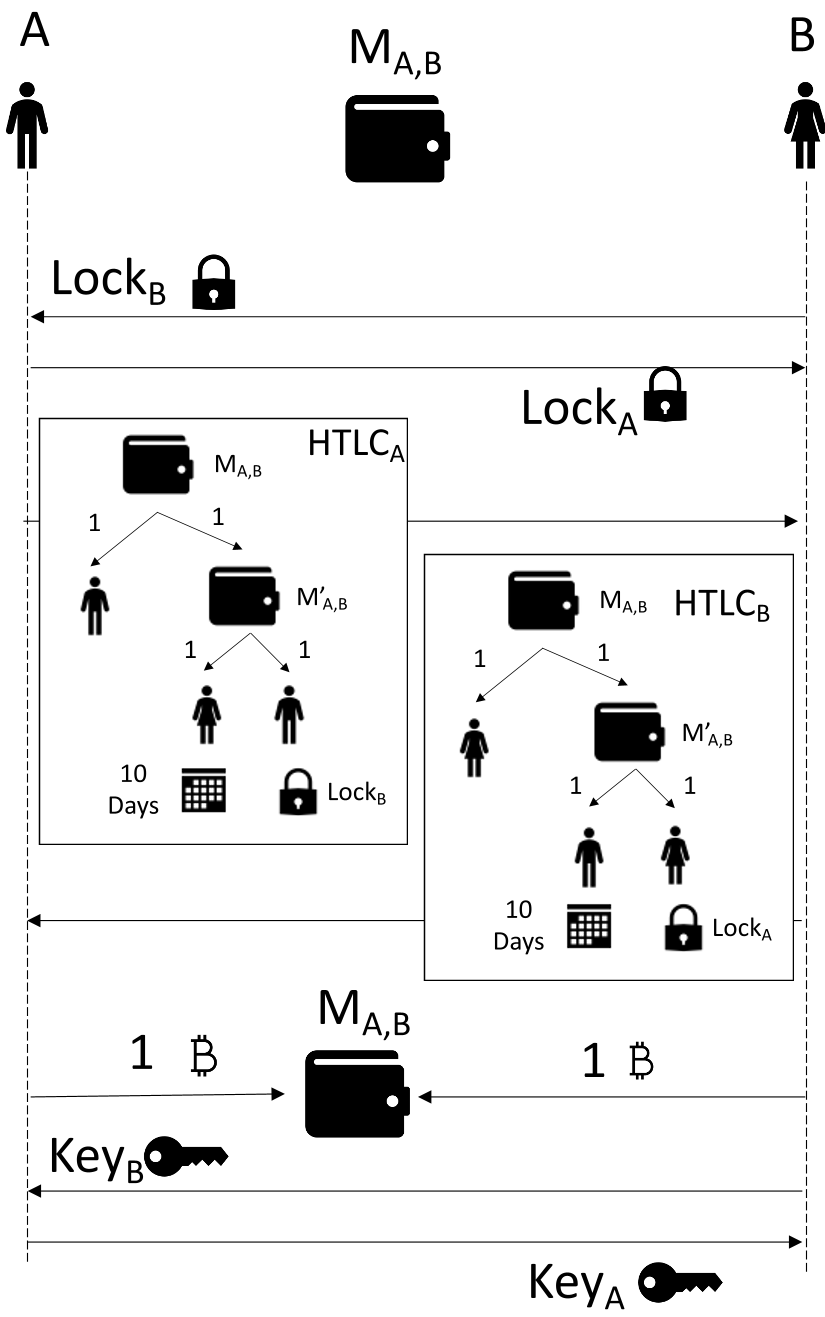 Fig 1: The interaction between the high-capability Blockchain Agents and the resource-constrained IoT devices.
2. Secure Neighborhood Formation
Two devices (DA and DB) prove they are "friends" by exchanging keys derived from the offline channel and verifying them against the Hash Locks previously committed to the blockchain. This uses Hashed Time Locked Contracts (HTLCs) to ensure that keys are fresh and haven't expired, effectively preventing replay attacks.
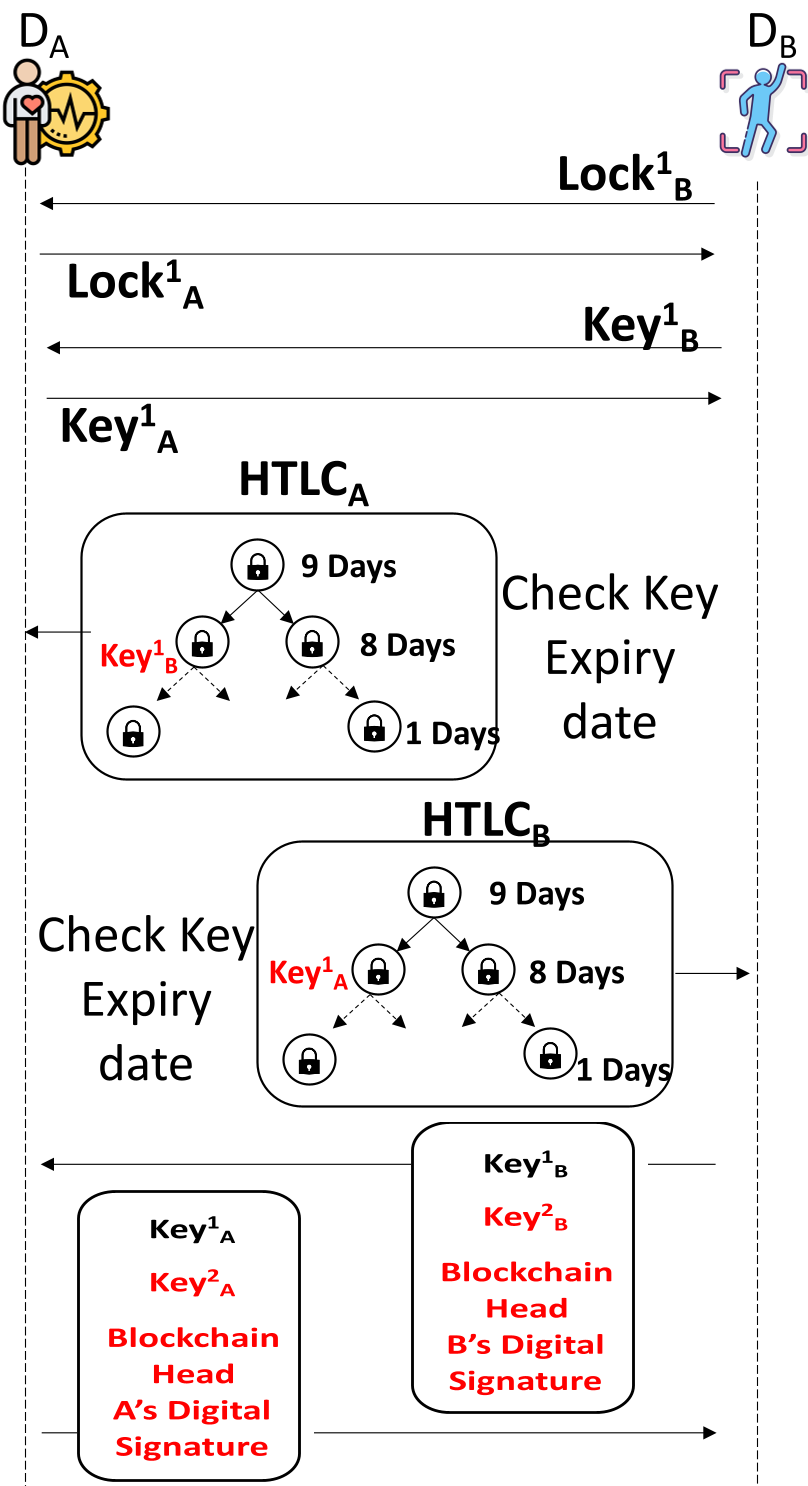 Fig 2: Hierarchical key distribution allowing unique key usage for every interaction.
Experiments & Results
The paper provides a rigorous security and performance analysis:
- Scalability: Traditional blockchain-based IoT management requires transactions to store keys. This method reduces it to 2 transactions to open a channel regardless of the number of keys in the tree.
- Privacy: Because only Hashes are stored publicly, third parties cannot reconstruct the social graph. Only a device knows its immediate neighbors.
- Security: The protocol handles the Impersonation Attack by verifying ownership through the multi-signature addresses that funded the channel.
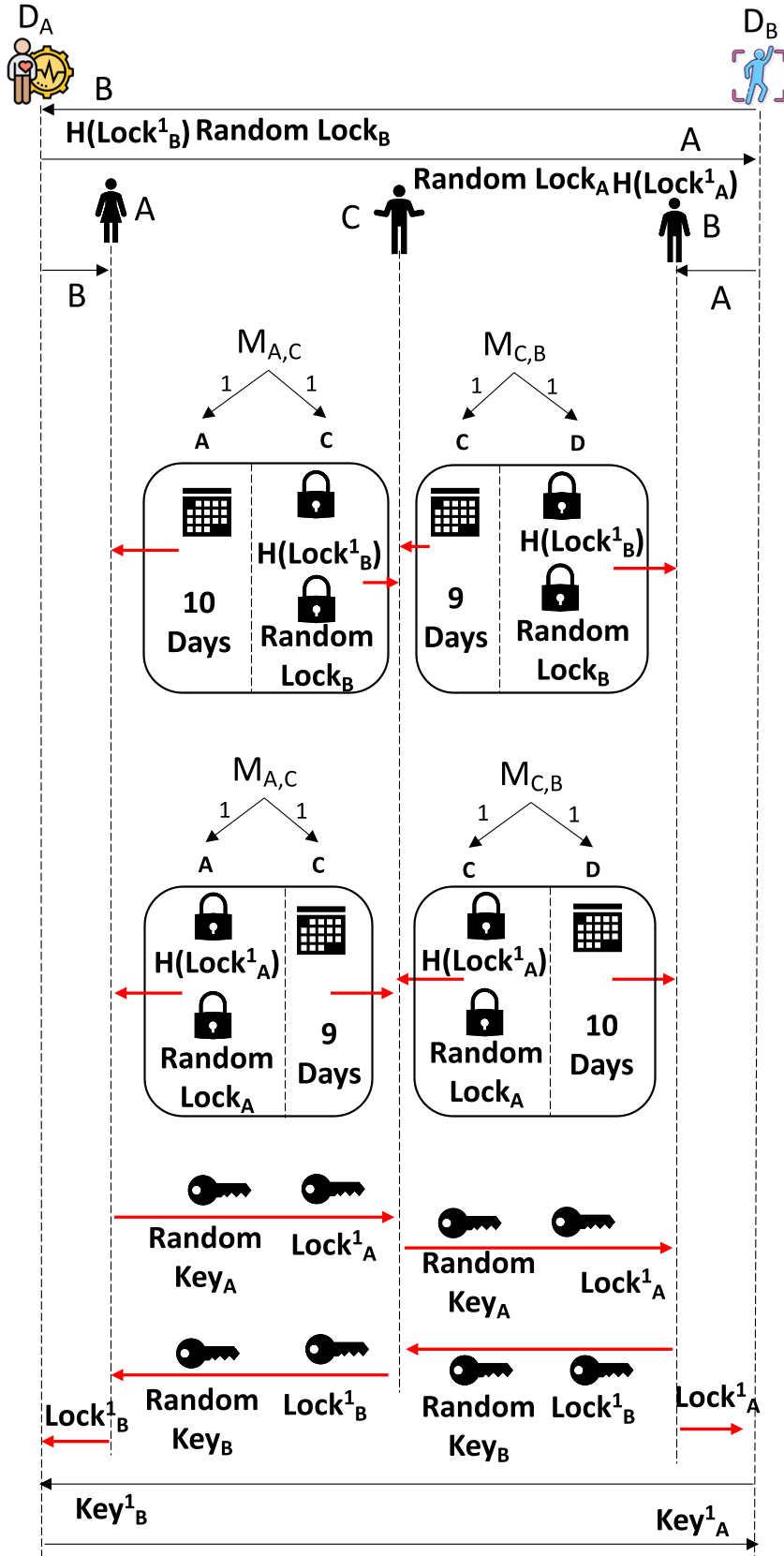 Fig 3: How devices find and verify each other even when their owners don't have a direct channel.
Critical Insight & Conclusion
Takeaway
The genius of this work is the realization that offline channels are a transport layer for trust. By using a path of neighbors (A -> C -> B), devices can verify each other’s authenticity and build a "web of trust" without ever exposing their private data to a central server.
Limitations & Future Work
While the protocol is mathematically sound, the computational overhead on the "Agents" (gateways) during path-based routing could be high in extremely dense networks. The authors plan to integrate location-aware discovery and more sophisticated trust estimation algorithms in future iterations to further refine the efficiency of multi-hop service requests.
Ultimately, this work moves SIoT from a theoretical "social" curiosity to a practical, privacy-first technical architecture.