
Deciphering the Hidden Code: Acidic MS Workflows Unveil the Labile Glu/Asp-ADPr Landscape
Deciphering cytokine-driven ADP-ribosylation signaling networks via Af1521-based mass spectrometry analysis of labile Glu/Asp-linkages
This study presents a specialized acidic mass spectrometry (MS) workflow utilizing an engineered Af1521 macrodomain mutant to preserve and identify labile glutamate (Glu) and aspartate (Asp) ADP-ribosylation (ADPr) linkages. The research deciphers cytokine-driven ADPr signaling networks, identifying over 600 Glu/Asp sites and establishing a residue-specific landscape of innate immune and antiviral pathways.
Executive Summary
TL;DR: Researchers have developed a groundbreaking acidic mass spectrometry (MS) workflow to capture "labile" ADP-ribosylation (ADPr) on Glutamate and Aspartate residues—modifications that were previously invisible due to their instability in standard alkaline buffers. By identifying over 600 Glu/Asp-ADPr sites, the study reveals how cytokines like interferon remodel the cytoplasmic "antiviral PARP network," shifting the focus from nuclear DNA repair to innate immune signaling.
Background Position: This is a methodological breakthrough and SOTA (State-of-the-Art) profiling effort. It corrects a long-standing technical bias in the proteomics field, where the use of basic pH buffers led to the unintentional destruction of ester-linked ADPr before it could be measured.
The Hidden PTM Problem
ADP-ribosylation is a vital post-translational modification (PTM) involved in DNA repair and immune responses. However, not all ADPr linkages are created equal. While Serine-linked ADPr (Ser-ADPr) is robust under standard laboratory conditions, Glu/Asp-linked ADPr is notoriously "labile" (unstable).
The chemical culprit? The ester bond between the ADP-ribose and the acidic amino acid side chain is highly sensitive to:
- Alkaline conditions (pH > 7.0)
- Elevated temperatures
- Enzymatic hydrolysis by the very tools (like wildtype Af1521 macrodomains) used to enrich them.
This instability created a "blind spot" in biology, where previous papers likely missed the majority of Glu/Asp modifications, falsely concluding that Ser-ADPr was the only major player in high-stress environments.
Methodology: The Acidic Strategy
To solve this, the team re-engineered the entire proteomics pipeline. The core of their strategy involves two key shifts:
- Strict pH Control: All steps, from lysis to enrichment, are performed at an acidic pH (< 6.3).
- Mutant Macrodomain: They utilized an engineered version of the Af1521 macrodomain (K35E/Y145R). Unlike the wildtype version, which acts as an "eraser" (hydrolase) for Glu/Asp-ADPr, this mutant binds the modification tightly without destroying it.
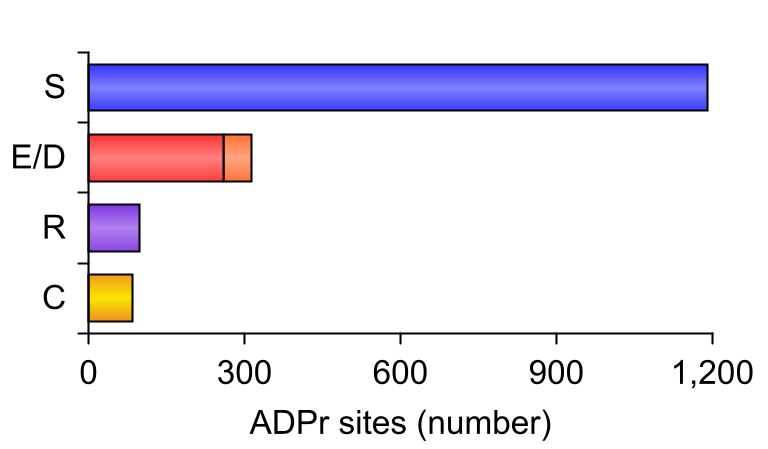 Figure 1: Comparison of Alkaline vs. Acidic workflows and the molecular structure of the Af1521 mutant.
Key Insights: Cytokines and the Antiviral Shield
Using this new workflow in A549 and HeLa cells, the researchers uncovered a vastly different ADPr landscape:
1. The Nuclear vs. Cytoplasmic Divide
The study found that Ser-ADPr is primarily nuclear, associated with chromatin and DNA repair. In contrast, Glu/Asp-ADPr is cytoplasmic, targeting immune-related networks. This spatial segregation suggests that different ADPr "codes" are used to regulate different cellular compartments.
2. Rewiring of the Ubiquitin System
A standout discovery was the role of PARP10. When PARP10 is induced, it performs "MARUbylation"—the ADP-ribosylation of Ubiquitin itself. The researchers mapped these sites to a surface-accessible region (E24, D32, E51) opposite the C-terminus, suggesting a direct mechanism for ADPr to interfere with the ubiquitin-proteasome system.
3. The Core Antiviral Network
Interferon treatment (IFNα/γ) does not just increase total ADPr; it specifically remodels a network of antiviral PARPs (PARP9, 12, 13, and 14). PARP14 emerged as a central hub, heavily modified on over 30 sites, mostly Glu and Asp.
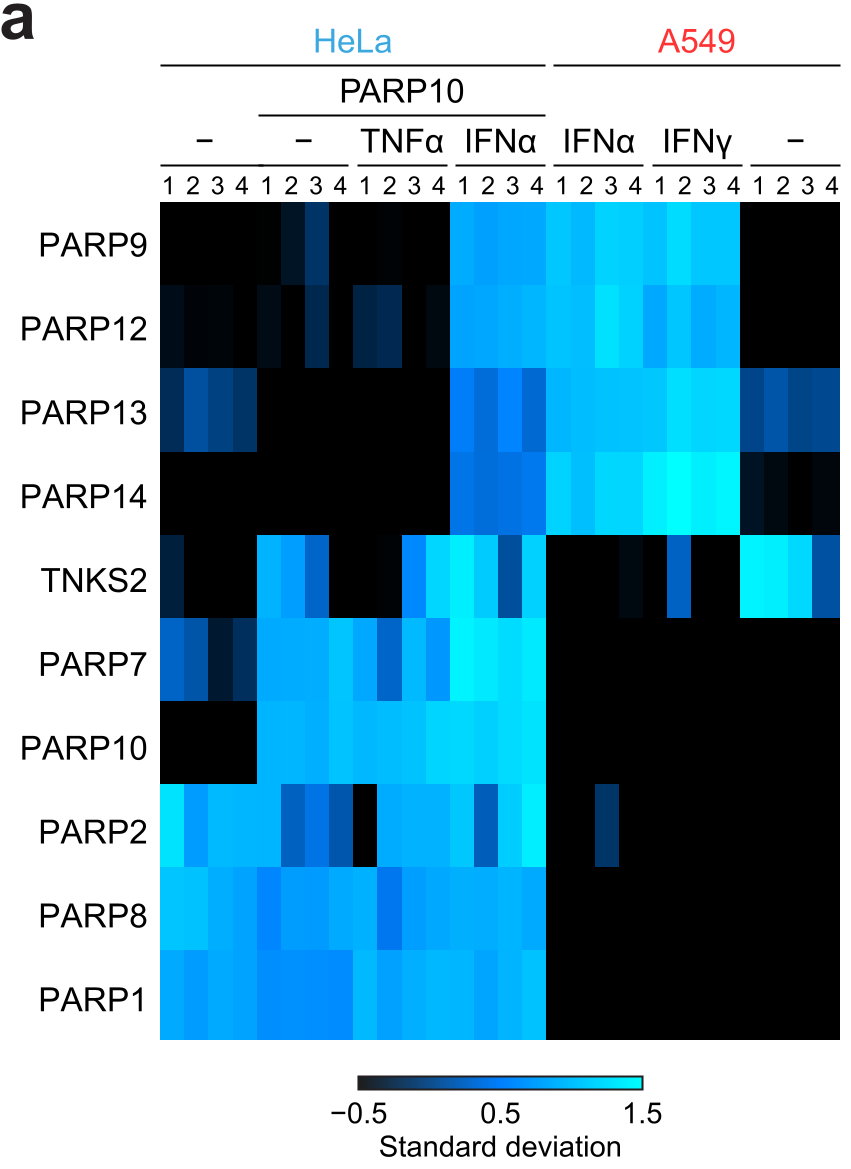 Figure 2: Linear visualization of major antiviral PARPs and their residue-specific modification patterns.
Conclusion and Future Outlook
This paper serves as a critical "technical reset" for the ADPr field. By proving that Glu/Asp-ADPr is both prevalent and biologically distinct, it opens new doors for investigating how viruses might attempt to hijack or evade these "labile" signals.
Future Work: The biological community now has a rich resource of >600 sites to explore. The next challenge will be determining how specific "eraser" enzymes (hydrolases) in the cell specifically target these acidic residues to turn off immune signaling, and whether inhibiting these erasers could boost antiviral therapies.
Takeaway: Residue-specific proteomics is no longer an optional luxury; it is essential for understanding the nuance of cell signaling.