
Beyond the Algorithm: Practical AI Governance for Real-World Deployment
Deploying AI Governance Practices: A Revelatory Case Study
This paper presents a revelatory case study of AI governance implementation within a Norwegian power industry firm. It utilizes a tripartite framework of structural, procedural, and relational practices to demonstrate how organizations can deploy robust AI systems while mitigating operational and ethical risks to achieve competitive performance gains.
TL;DR
Building a powerful AI model is only half the battle. This paper investigates how a Norwegian energy firm successfully transitioned from fragmented "shadow AI" to a robust, governed ecosystem. By focusing on Structural, Relational, and Procedural practices, the firm didn't just automate tasks—it built a sustainable framework for competitive advantage while keeping its workforce engaged.
The "Performance Paradox" in AI
Most companies view AI as a magic layer for efficiency. However, they soon hit a wall: developers use inconsistent tools (Python vs. MATLAB), legacy code creates silos, and employees fear the "AI takeover." The authors argue that the missing link is AI Governance—not as a restrictive set of rules, but as a suite of tools that influence development to ensure systems are ethical, robust, and legally compliant.
Methodology: A Tripartite Governance Framework
The researchers conducted a deep-dive case study, interviewing Chief AI Officers and Engineers to see how they operationalized governance. They categorized their findings into three core pillars:
1. Structural Practices: The Infrastructure
The firm faced a "Wild West" of development where everyone did their own thing. To fix this, they implemented:
- Standardization: Unifying tools (Jupyter, GitHub, Python) to ensure code portability.
- Cloud Transformation: Moving to the cloud to enable resource flexibility and faster scaling.
- Regulatory Resilience: Intentionally designing models to use minimal sensitive data to "future-proof" against changing privacy laws.
2. Relational Practices: Managing the Human Element
Technological change often breeds resistance. The managers identified that "Fear of AI" was a major bottleneck.
- Domain Knowledge Validation: Regular meetings to reassure employees that AI supplements their expertise rather than replacing it.
- Knowledge Sharing: Internal workshops to demystify how AI works, turning "black boxes" into transparent tools.
3. Procedural Practices: Ensuring Long-term Value
Development wasn't just about the "now." It involved:
- Anomaly Detection: Systems designed to alert humans to errors in real-time.
- Strategic Patience: Building applications that might not show immediate ROI but offer long-term competitive "moats."
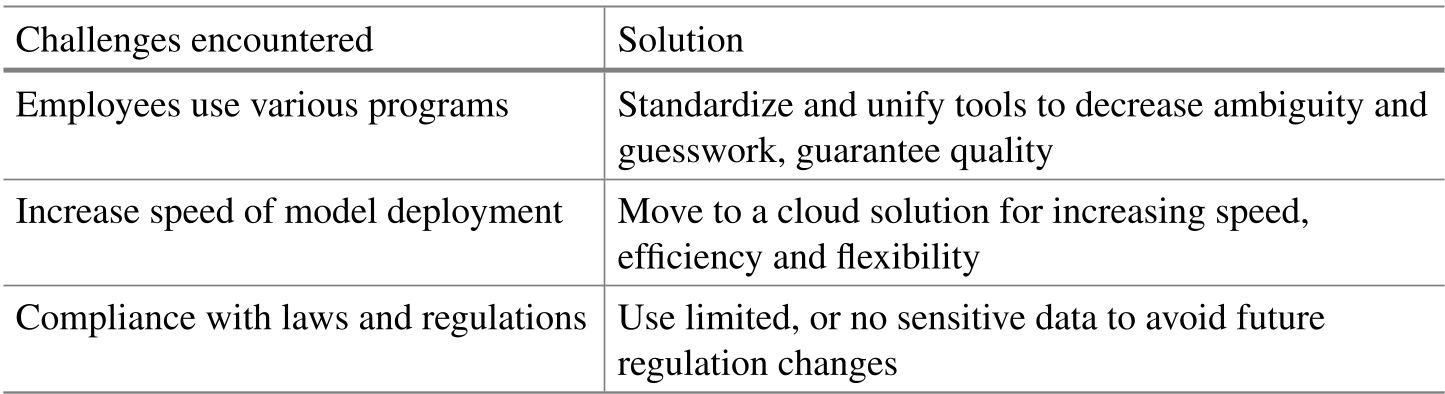 Figure 1: Summary of Structural challenges and the firm's strategic responses.
Key Insights and Results
The study highlights that standardization leads to quality. By unifying the developer workflow, the firm reduced guesswork and improved the speed of deployment.
Another critical result was the use of Dashboards. By visualizing complex model outputs, the firm bypassed the "black-box" problem, allowing business users to monitor KPIs and trust the AI's suggestions. This "human-machine communication" was essential for operationalizing the governance guidelines.
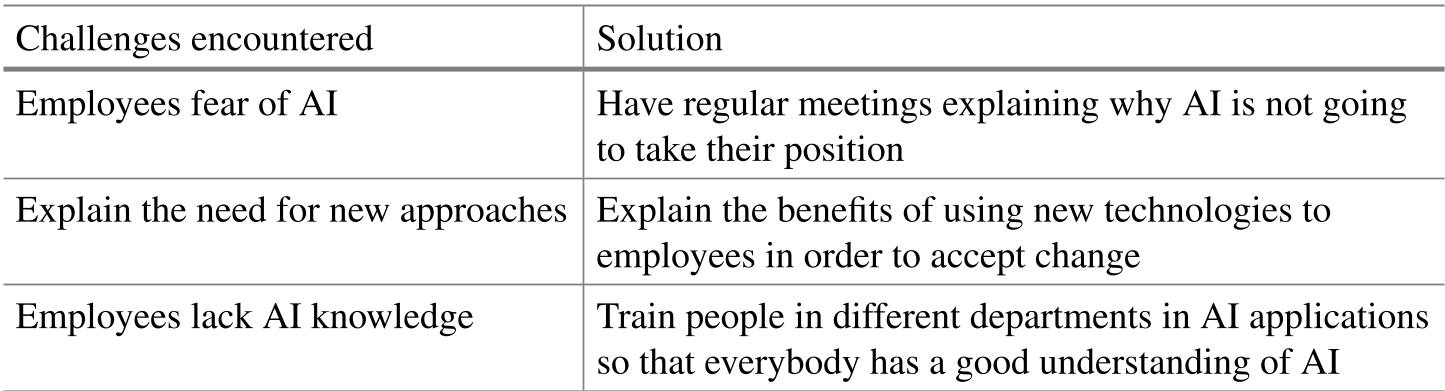 Figure 2: Observations on managing human-centric challenges during AI deployment.
Critical Analysis & Conclusion
This paper provides a rare, grounded look at AI governance in practice. While many technical papers focus on "Fairness" or "Explicability" as mathematical constraints, this work shows that in a corporate setting, governance is about alignment.
Takeaway for Leaders: AI Governance shouldn't be a post-hoc checklist. It must be embedded into the company culture through continuous feedback loops and structural unity.
Limitations: As a single case study in a low-sensitivity data environment (power industry), the findings might differ for highly regulated sectors like Healthcare or Fintech, where data privacy governance would likely dominate the "Structural" pillar.
The Future: Future research should look at how these governance practices impact different types of firm resources—does "relational governance" specifically boost employee retention, or does "procedural governance" lead to higher R&D success rates?