
Metaphors in Use: Designing Social Systems Beyond Simple Analogies
Desenvolvimento de sistemas para web com base nas metáforas em uso: estudo de caso para redes sociais
This paper presents a framework for developing Web social media systems—specifically Facebook apps and Fanpages—by leveraging the linguistic concept of "Metaphors in Use." Through a case study in the educational domain, the authors demonstrate how developer awareness of metaphorical constructs improves interface design and human-computer-human interaction.
TL;DR
This research challenges the traditional view of metaphors in HCI as mere "visual skeletons" (like the office folder icon) and repositions them as dynamic linguistic tools. By training developers to recognize "Metaphors in Use," specifically regarding Support for Human Interaction (SHI), the authors demonstrate a more efficient workflow for building social media applications on platforms like Facebook.
Background: The Shift to Human-Computer-Human Interaction
Most classical HCI literature is rooted in the solo user experience. However, as we moved into the era of social networking, the paradigm shifted. We are no longer just interacting with a machine; we are interacting with other people through a machine. This paper identifies a gap: designers lack theoretical tools to understand how users construct new meanings during these social interactions.
The Core Insight: "Metaphors in Use"
Unlike standard metaphors (which rely on direct comparison, like "a window in Windows is like a window in a house"), Metaphors in Use are creative and often unpredictable. The term "Social Network" or "Post" creates a new knowledge base rather than simply borrowing from an old one.
The authors adopt a four-pillar framework for these metaphors:
- Direct Manipulation: "Data is a physical object" (Files, trash cans).
- Navigation: "Data is in space" (The Web, URLs).
- Human Interaction: "Computers act like people" (Help bots).
- Support for Human Interaction (SHI): "Interface objects open space for communication" (Like, Share, Reply).
Methodology: The Case Study
The researchers conducted a case study using two Facebook-integrated projects:
- App professor: A tool for teachers to exchange academic materials.
- Edupage: A Fanpage dedicated to educational technology dissemination.
The workflow involved a unique "Metaphor Training" phase for developers before they finalized their storyboards.
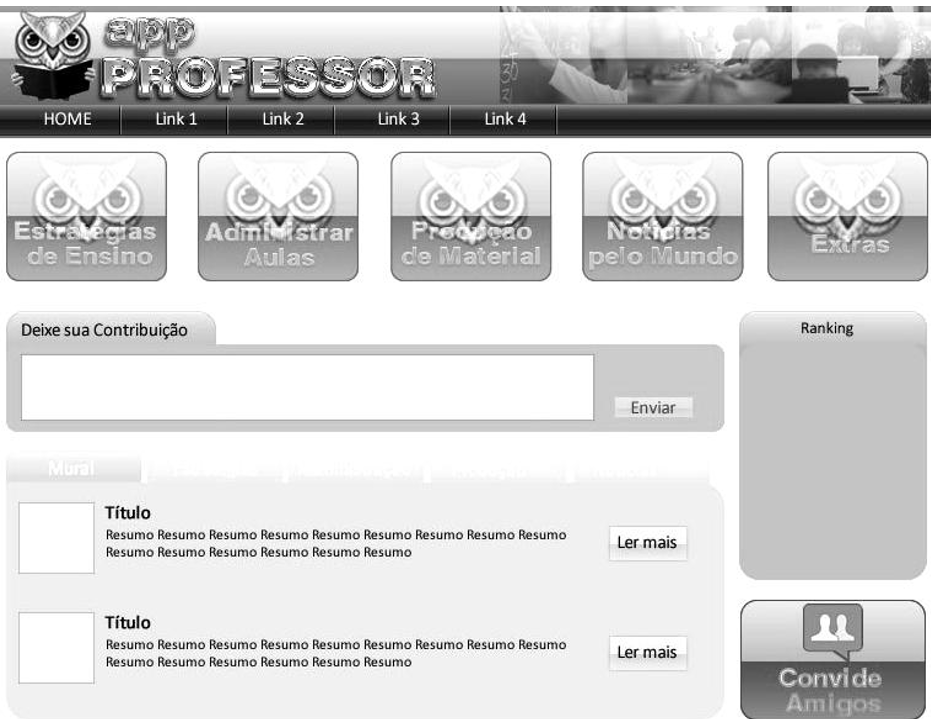 Figure 3: Storyboard for the Teacher App, showing refinement after metaphor training.
Key Findings & Experimental Results
The "Metaphor Training" (Step 4 of their process) had immediate effects on the design output:
- Creative Naming: Developers moved past generic titles to create terms like "Edupage," blending linguistic constructs to signal both purpose and platform.
- Visual Symbolism: Use of the "Owl" for wisdom and the "Mortarboard" for academic achievement were intentionally selected to trigger specific cultural metaphors.
- Refining SHI: Developers realized that buttons like "Like" or "Suggest" carry heavy social weight. For instance, "Liking" an Edupage isn't just a bookmark—it’s a social signal that notifies a network of peers, requiring a different design approach than a simple "Save" button.
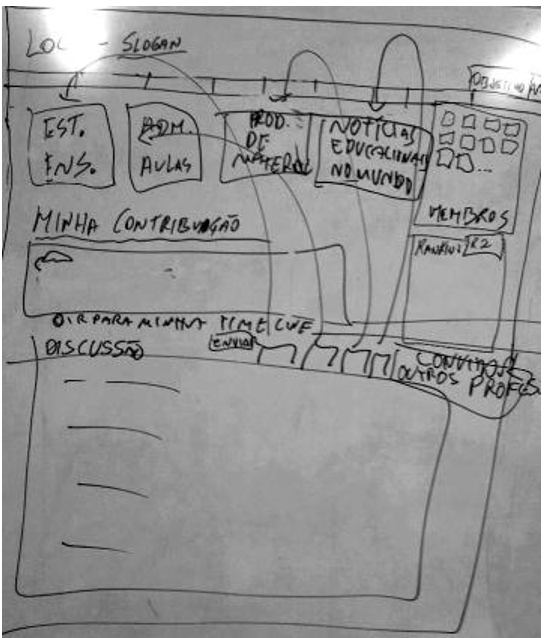 Figure 4: The Edupage storyboard highlights how social triggers (Invite, Join, Vote) were mapped to metaphors of human interaction.
Critical Analysis & Conclusion
Takeaway
The primary value of this work is the realization that designers who understand linguistics can build more intuitive social software. By focusing on how a button facilitates a conversation (SHI), rather than just how it looks, developers can reduce the "cognitive distance" between the user's intent and the system's action.
Limitations
The study is focused on a small group of developers and a specific platform (Facebook). How these metaphors translate to emerging decentralized social networks or VR/AR environments remains an open question.
Future Outlook
As we move toward AI agents and metaverses, the "Computers act like people" metaphor will likely merge with "Support for Human Interaction." This paper provides an early roadmap for that integration, suggesting that linguistic awareness is just as vital as coding proficiency in the modern tech stack.