
SSSS: Transforming Individual Sustainability through Social Shopping
Design and Implementation of Sustainable Social Shopping Systems
The paper introduces the Sustainable Social Shopping System (SSSS), an integrated online platform designed to promote individual sustainability through shopping. By synthesizing decision-making models, habit formation loops, and social networking features, the system aims to transform consumer behavior across the key dimensions of health, finance, and the environment.
TL;DR
Sustainability is often viewed through a lens of corporate responsibility, but this paper argues that individual behavior is the true engine of change. The authors introduce the Sustainable Social Shopping System (SSSS), a platform that integrates health, financial, and environmental data into the online shopping experience. By leveraging social influence and habit-forming feedback loops, the system helps users align their daily purchases with their long-term sustainability goals.
The "Attitude-Action Gap" in Modern Consumption
Why do we want to eat healthy or buy eco-friendly products, yet find our shopping carts filled with junk food and non-recyclables? Research identifies a major attitude-action gap: consumers lack the right information at the exact moment of decision-making.
Current self-improvement apps fail (with 26% of users using them only once) because they treat sustainability as an isolated task rather than a habitual behavior. The authors argue that shopping—a repetitive, multi-dimensional activity—is the perfect intervention point to foster Individual Sustainability.
Methodology: The Behavioral Architecture of SSSS
The SSSS isn't just a shopping cart; it is a Habit Transformation Engine. It operates on a synthesis of two core models:
- The Buy Decision Process: Need recognition, information search, evaluation, purchase, and post-purchase behavior.
- The Habit Loop: Integrating Cues (promotions/needs), Routines (the shopping process), and Rewards (feedback and social validation).
System Framework
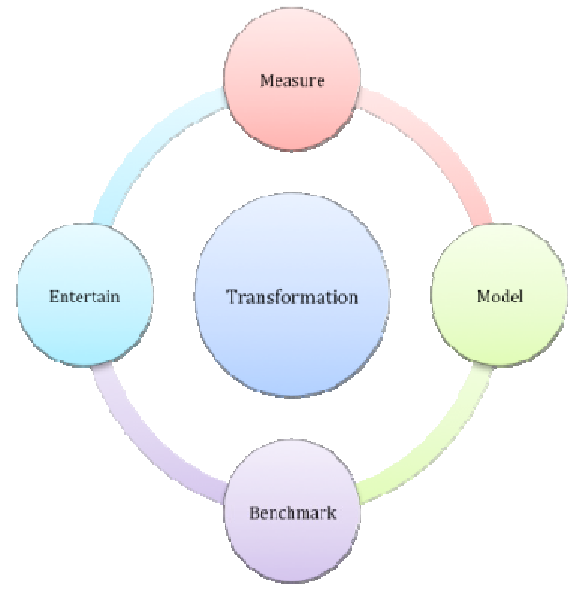
The framework moves through a four-stage process: Measure (tracking inputs), Model (analyzing patterns), Benchmark (setting goals), and Transform (behavioral change). This is wrapped in an "Entertain" layer, utilizing social features to ensure the process isn't a chore.
Prototypical Implementation: A Multi-Dimensional View
The prototype SSSS provides users with immediate, color-coded feedback based on three life dimensions:
- Health: Using UK "Traffic Light" nutrition labels (Green, Amber, Red).
- Finance: Tracking budget alignment and spending patterns.
- Environment: Measuring the carbon and ecological footprint of specific items.
Key Interface Components
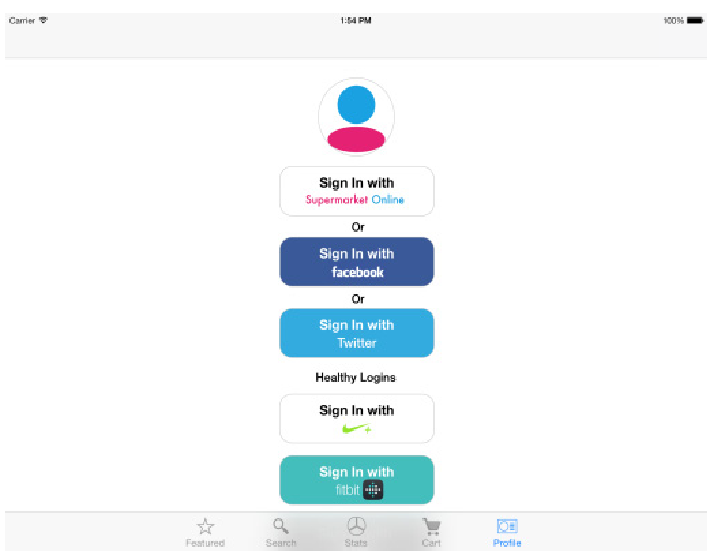
The system utilizes a tablet-friendly design featuring a Statistics Page that aggregates transactional data into actionable insights, allowing users to visualize their personal sustainability level over time.
Critical Insights & Future Directions
The paper highlights a massive gap in current Information Systems (IS) research. While "Social" and "Shopping" are well-studied, the intersection of Sustainable Social Shopping is virtually non-existent (0 results in leading IS journals).
Limitations and Outlook
- Heterogeneous Data: Integrating health data with environmental metrics is mathematically complex. Future work is required to develop unified recommendation algorithms.
- The Power of Social: The "Social" aspect is the secret sauce. By allowing users to share "Social Choices" or discuss product impact within their network, the system uses social presence to reinforce sustainable habits.
Takeaway: To make the world sustainable, we must first make the individual's habitual decisions sustainable. SSSS provides the blueprint for turning every "Add to Cart" click into a step toward a better future.