
Designing Collective Change: How Social Technologies Empower Community Innovation
Design for Social Innovation Supported by Social Based Technologies
The paper explores the synergy between Service Design and Social Based Technologies to foster social innovation. Through the ID+ DESIS Lab at the University of Aveiro, it showcases academic projects—ranging from elderly care platforms to maritime heritage preservation—that utilize digital tools and the Internet of Things (IoT) to scale grassroots community initiatives for sustainable development.
TL;DR
As the traditional welfare state struggles to meet modern needs, social innovation—driven by ordinary people solving everyday problems—is filling the gap. This paper details how Service Design and Social Based Technologies (IoT, Web 2.0) are being used at the University of Aveiro to scale these grassroots efforts into viable, sustainable systems.
Context: From Products to Social Systems
The role of the designer is shifting. We are moving away from the industrial age of "objects" toward a knowledge-based era focused on "relationships." The ID+ DESIS Lab highlights that social innovation is distinct from market innovation; it is a process of reorganizing existing assets (social capital, technology, craftsmanship) to achieve socially recognized goals.
The Problem: The Coordination Cost of Grassroots Action
Small, face-to-face groups are highly effective but difficult to scale. Historically, as groups grew, they required hierarchical management, which often stifled the very "energy" that made the community work.
The authors identify a critical Design Insight: Digital tools (Web 2.0 and IoT) are radically lowering the costs of group coordination. However, there is a risk of "technological isolation"—where an abundance of apps replaces actual human connection. The challenge for modern designers is to use digital platforms as a back-office infrastructure that facilitates—rather than replaces—physical, face-to-face interaction.
Methodology: The ID+ DESIS Lab Approach
The methodology relies on Learning-by-Doing and ethnographic immersion. Below is a look at the systemic architecture of how these services are structured:
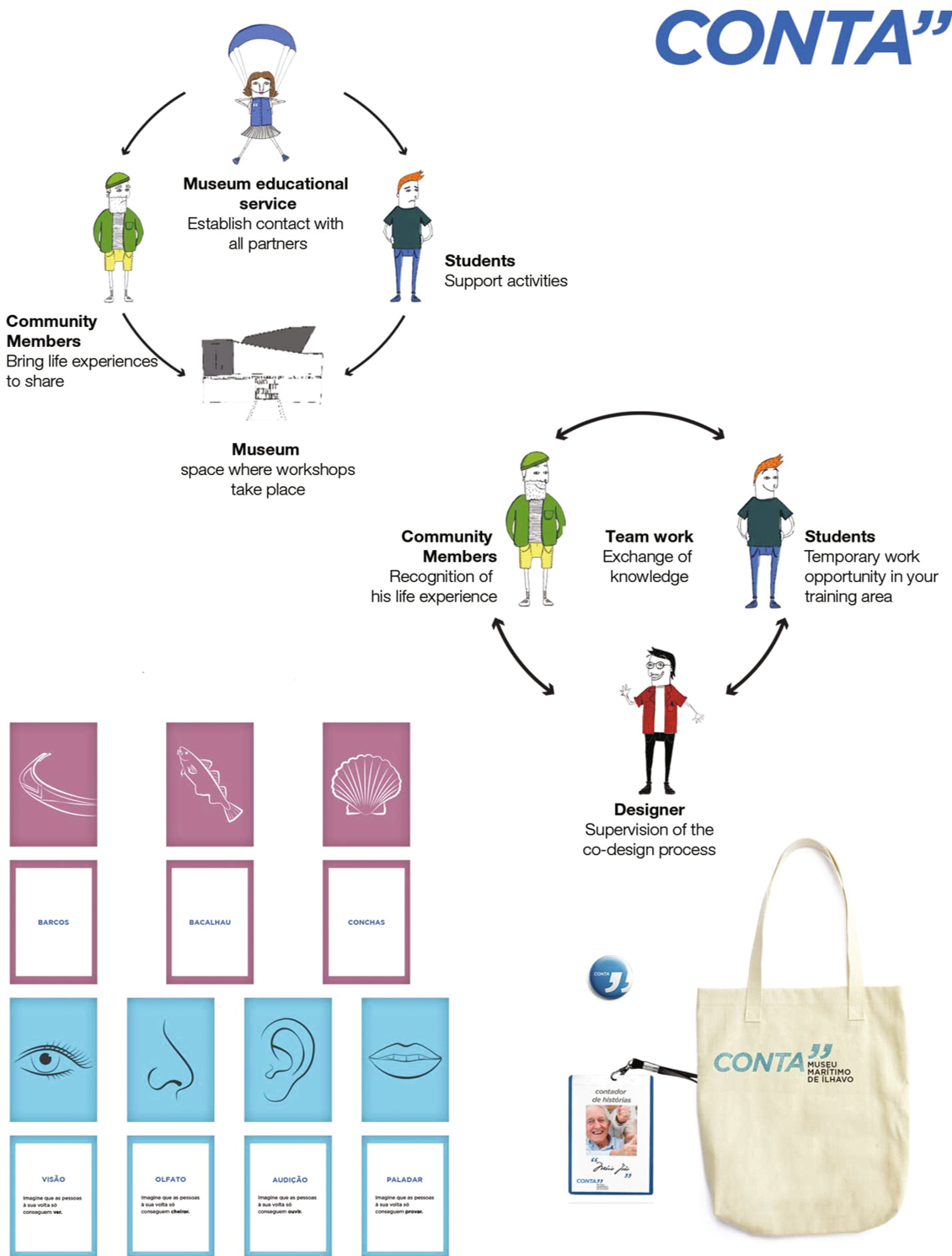 Figure 1: Conceptual mapping of stakeholders and digital touchpoints for the "Conta" project.
The lab operates on three main pillars:
- Service Design: Mapping stakeholder journeys to ensure "win-win" scenarios.
- Social Internet of Things (SIoT): Using sensors and mobile devices to provide real-time data for social good.
- Co-Design: Involving the community (fishermen, elderly, children) directly in the creative process.
Case Studies: Technology in the Real World
The paper presents several fascinating projects that prove technology’s value when applied to social fabric:
1. Avós E Nós (Grandparents and Us)
Facing an aging population, students created a web platform where youth and the elderly exchange services. A "loyalty card" system allows users to bank time or income for future healthcare needs.
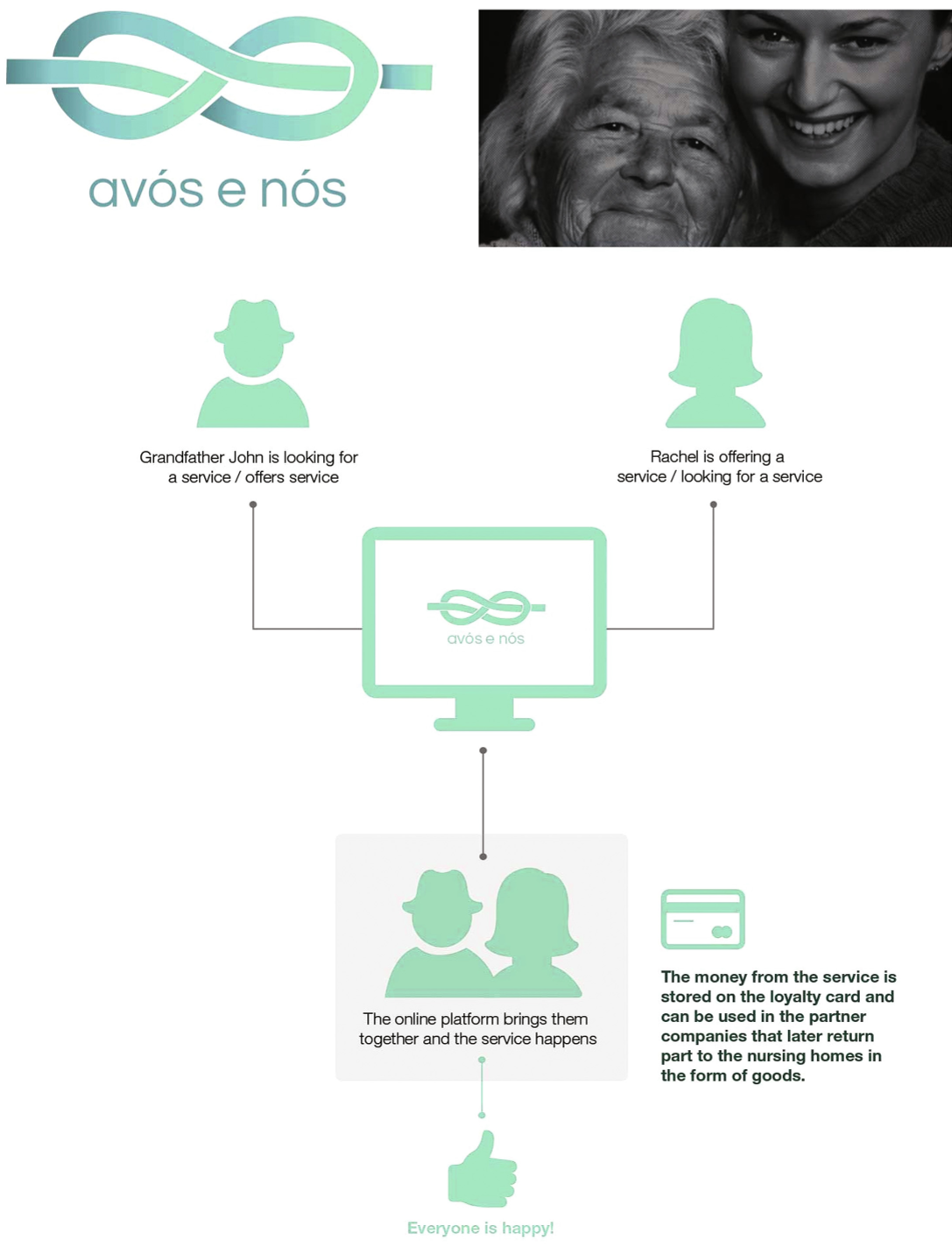 Figure 2: Prototype of the intergenerational service platform.
2. Cãovida: A Gamified Health Intervention
By redesigning a failed physical service, students integrated an app with geo-tracking and community challenges. Children with obesity problems were encouraged to walk dogs from local shelter kennels, turning a health chore into a social game.
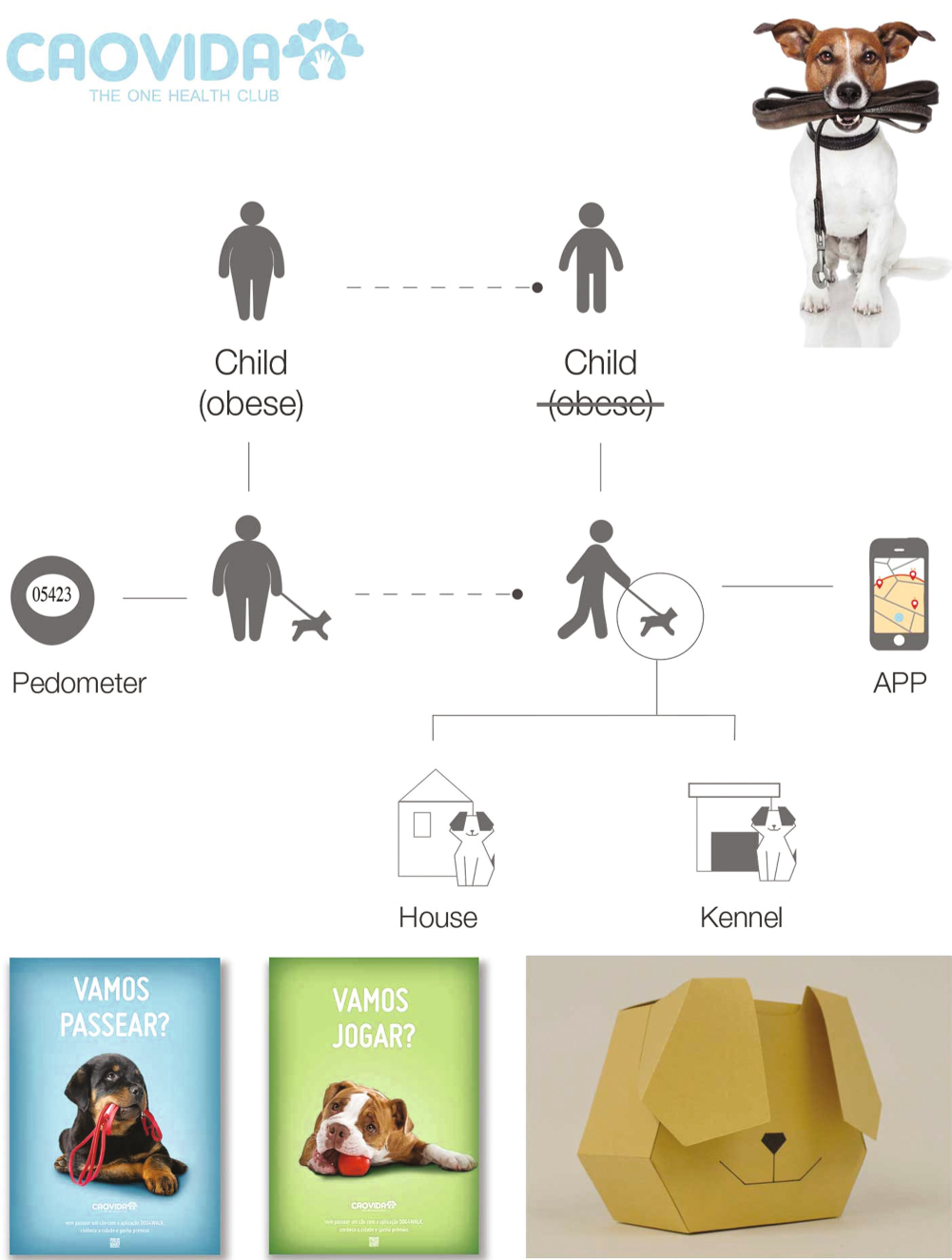 Figure 3: Visual identity and gamification elements for the healthy living dog-walking service.
Critical Insight & Conclusion
The real triumph of this work is the realization that "social technologies learn from humans, but humans also have a lot to learn from technologies." The designer's new task is to build the "connective tissue" between individual agents and digital things.
Limitations: While technology reduces coordination costs, the authors warn against a "digital-only" focus. The success of these projects relies heavily on the quality of the initial ethnographic research—understanding the community's soul before building the app.
Future Outlook: We are entering a "Human-Centered IoT" era. For designers and product leads, this paper is a reminder that the most powerful social apps are those that eventually encourage the user to put the phone away and engage with their neighbor.