
VERA: Beyond Tracking — Designing for Sustained Engagement in Mobile Health
How do you design for sustained engagement in the context of supporting or encouraging health and well-being? Two studies of a mobile social-health application reveal how different aspects of the sociotechnical design affect user engagement with the system
This paper introduces VERA (Virtual Environments for Raised Awareness), an open-ended mobile social-health platform designed to foster sustained user engagement through sociotechnical design. Unlike prescriptive health apps, VERA allows users to define "healthiness" themselves by sharing photos and reflections, significantly reducing user attrition in social and shared-goal contexts.
TL;DR
Sustainable engagement in health apps is often a bigger hurdle than clinical effectiveness. This research presents VERA, a mobile platform that rejects the "one-size-fits-all" prescriptive approach of traditional health trackers. By leveraging sociotechnical design—focusing on how social context interacts with app architecture—the researchers found that social curiosity and shared goals are the primary drivers for keeping users active beyond the initial "honeymoon phase."
The "Prescription" Problem in mHealth
Most health apps act like digital nannies: they tell you what to eat, when to run, and how to feel. This "Persuasive Technology" paradigm, popularized by B.J. Fogg, is effective for short-term behavior change but often fails to sustain long-term interest. Once the novelty of hitting a step goal wears off, users stop opening the app.
The authors argue that the missing ingredient is Social Awareness. When an app is purely individual, it becomes a chore. When it becomes a community where "health" is a conversation rather than a set of rules, engagement thrives.
Methodology: The VERA System
VERA (Virtual Environments for Raised Awareness) was designed as an open-ended sharing tool. Instead of logging calories, users:
- Capture: Take a photo of an activity (e.g., a healthy meal, a gym session, or even a social gathering).
- Assess: Quantify the "healthiness" of their choice subjectively.
- Reflect: Use a "Photographic Affect Meter" (PAM) to log their emotional state.
- Connect: View and comment on others' posts in a community feed.
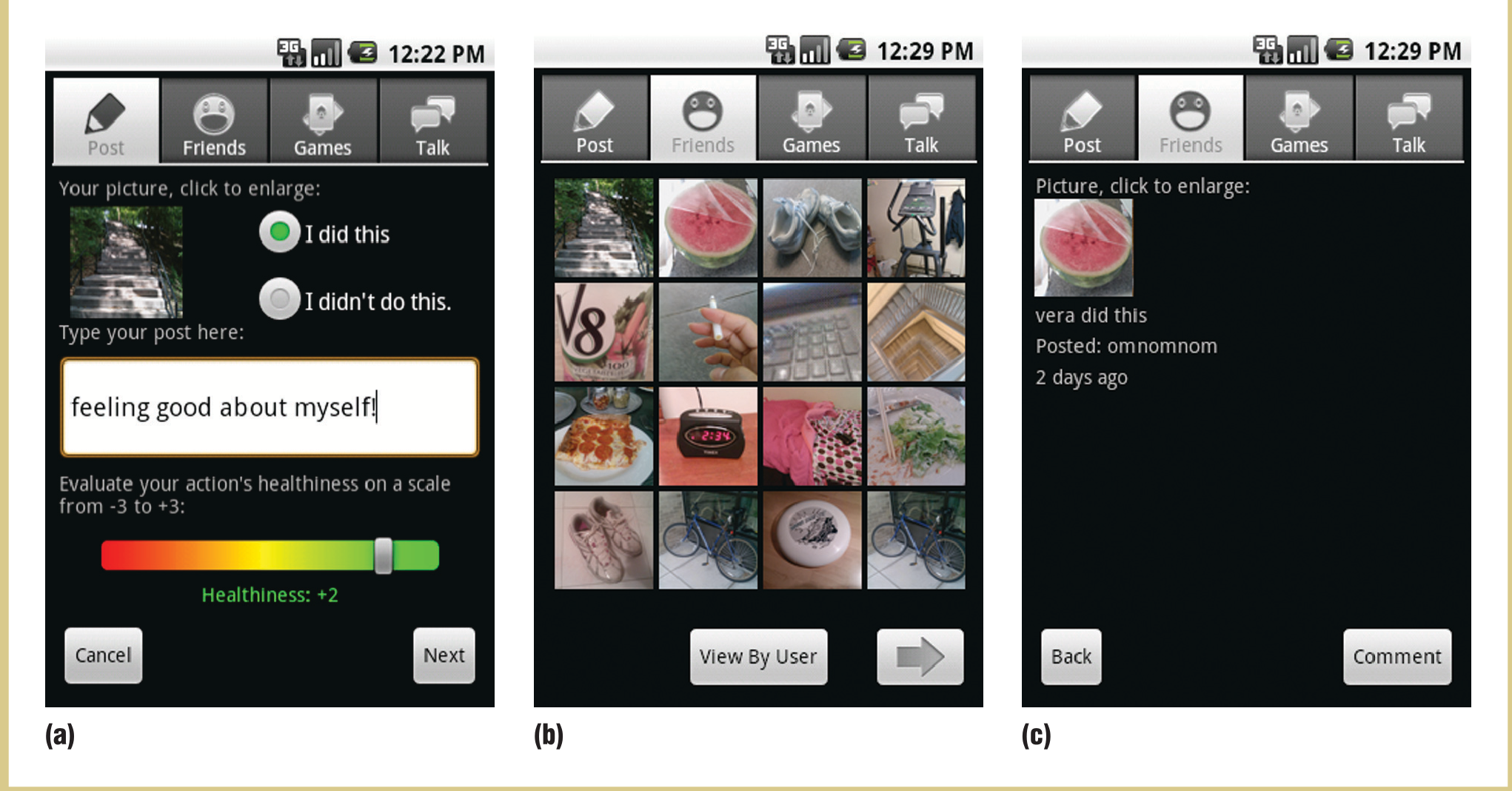 Figure 1: The VERA interface highlighting the submission process and social feed.
Study 1: Social vs. Individual
The first study compared users using VERA as a private diary versus those in a social group.
- The Individual Group: Experienced a sharp decline in posts (nearly 33% drop) by the second week.
- The Social Group: Maintained a stable posting frequency.
The Insight: Social inquisitiveness—the simple desire to see what others are doing—serves as a powerful "hook" that keeps users returning to the platform.
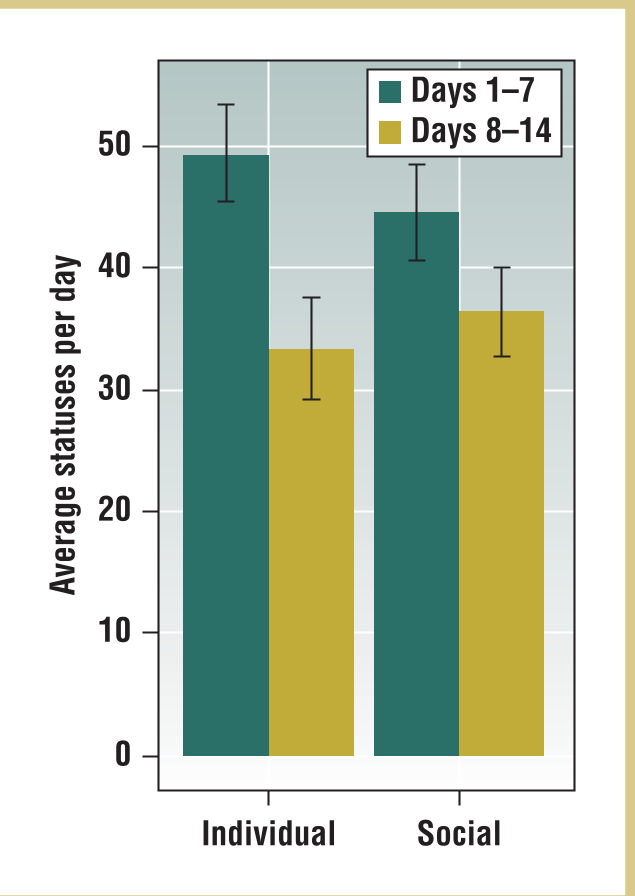 Figure 2: Statistical evidence showing that social features mitigate the engagement drop-off over time.
Study 2: The Power of Shared Goals
The second study tracked two distinct cohorts: a "General Wellness" group and a "Weight Loss" group.
- The Weight Loss group (shared goal) showed much higher resilience in posting behavior.
- Users reported feeling accountable to others who "understood the struggle," even if they were strangers.
- However, social interactions remained fragile; negative feedback or "oversharing" in sensitive areas (like weight) required more nuanced privacy controls.
Critical Analysis & Professional Takeaways
The brilliance of VERA lies in its Inductive Bias toward user agency. By not defining what "health" is, the system allows a community to evolve its own culture. However, the study also highlights a "friction paradox":
- Visibility vs. Privacy: Users want to know who is posting but fear being judged.
- Interaction Friction: In mobile contexts, forced interaction (like mandatory clicking to see a name) kills engagement.
Final Conclusion
For the next generation of health tech, the takeaway is clear: Stop designing for users in a vacuum. Sustained engagement isn't about better sensors; it’s about leveraging existing social structures (like weight-loss lists or fitness clubs) and allowing users to define their own path to well-being through social reflection.
Limitations: The study's focus on small cohorts and highly motivated university populations may not fully generalize to the broader public, particularly those with low digital literacy or chronic conditions requiring high-stakes medical monitoring.