
Patches: Sewing the Social Fabric into Wearable Technology
6042_Designing a wearable social network.
The paper introduces "Patches," a wearable social network system that bridges the gap between online social networking (Facebook) and physical interaction. By integrating a multi-layered electronic "patch" into clothing, it translates digital "pokes" into tactile heat and visual cues, creating an "offline" social experience.
TL;DR
"Patches" is a visionary wearable system from 2009 that transforms the virtual Facebook "poke" into a physical sensation. By combining social network APIs with thermochromatic ink and heating elements, it explores how we can feel a friend's presence through our clothes, moving social networking from the screen to the "third place" of physical reality.
The Motivation: Why Your Screen Isn't Enough
In the late 2000s, social networking sites (SNS) like Facebook and MySpace exploded, but they remained trapped behind glass screens. Conversely, wearable computing was experimental and often isolated—useful for biometrics but disconnected from our digital social circles.
The authors identified a gap: Social interactions are inherently physical and emotional. A digital notification lacks the "warmth" of a human touch. They sought to create a "Third Place"—a concept by Ray Oldenburg referring to social environments separate from the two usual social environments of home and the workplace—within the very fabric of the clothes we wear.
Methodology: Bridging the Digital-Physical Divide
1. The Social Framework
The researchers synthesized three domains to guide their design:
- SNS: Leveraging existing identities and "casual games" (like poking).
- Mobile Computing: Utilizing mobility and timely responsiveness.
- Wearable Computing: Exploiting the ability to transmit human emotion through tactile feedback.
2. System Architecture
The Patches system is a classic example of early IoT (Internet of Things) integration.
- Backend: A JavaScript application called "PokeMe" parses the Facebook home page for new pokes.
- Hardware: A JBoss server communicates with an Arduino Microcontroller via Wi-Fi.
- The Patch: A 7-layer sophisticated "sticker" for clothing.
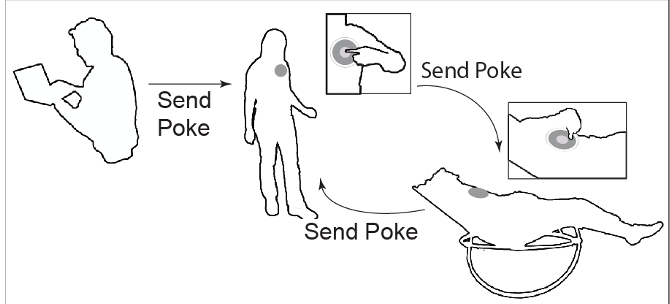 Figure 4: The technical flow from Facebook's cloud to the user's garment.
3. The Sensory Experience
The most innovative part of the work is the Patch's composition. It includes:
- Conductive foam and thread for touch sensing.
- A heating diode to provide thermal feedback.
- Thermochromatic ink that changes color when heated, leaving a temporary visual "imprint" of the poke.
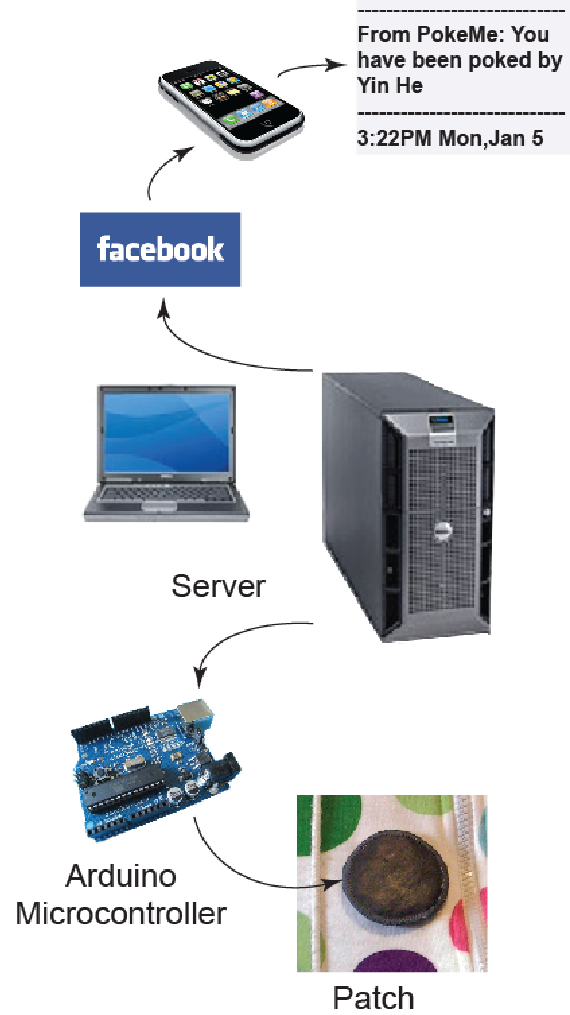 Figure 5: The 7-layer construction of the Patches wearable interface.
Experiments & Results: The "Haptic Poke"
The system successfully translated a digital action into a physical ritual. When a user receives a poke:
- Thermal Feedback: The patch warms up, simulating the residual heat of a finger.
- Visual Feedback: The oval cutout becomes visible as the ink reacts to heat.
- Reciprocity: The recipient can "poke back" by pressing the touch sensor on the patch, completing a social loop without ever looking at a phone.
The authors note that while phone vibrations are functional, the "Patches" approach is affective. It doesn't just notify; it conveys an impression of a person.
Critical Analysis & Conclusion
Patches was ahead of its time. While we now have Apple Watch haptics ("Digital Touch"), this paper's focus on integrated textiles and thermal feedback remains a highly relevant area in "Soft Robotics" and "Smart Fabrics" research.
Strength:
The use of Facebook as a backend was a brilliant move for 2009. It ensured the device had an immediate purpose and a built-in community, rather than trying to build a social network from scratch.
Limitation:
The reliance on web scraping ("PokeMe") due to API limitations and the bulkiness of early Arduino/Wi-Fi components meant the system was more of a functional prototype than a consumer product. Furthermore, the "poke" itself eventually faded from social media culture.
Future Outlook:
Today, as we move toward the "Metaverse" and "Spatial Computing," the lessons from Patches remind us that the most profound social technologies are those that disappear into our environment—or in this case, our wardrobe. The "emotional interface" is still the holy grail of wearable design.
Summary of "Designing a Wearable Social Network" (CHI 2009).