
Dhan-Shomadhan: Bridging the Gap Between Lab and Field in Rice Disease AI
Dhan-Shomadhan: A Dataset of Rice Leaf Disease Classification for Bangladeshi Local Rice
The paper introduces "Dhan-Shomadhan," a specialized image dataset for classifying five major rice leaf diseases (Brown Spot, Leaf Scaled, Rice Blast, Rice Tungro, and Sheath Blight) in Bangladesh. It features 1,106 high-resolution images captured across two distinct visual contexts: natural field backgrounds and controlled white backgrounds.
TL;DR
Dhan-Shomadhan is a novel dataset comprising 1,106 images covering five devastating rice leaf diseases in Bangladesh. Unlike traditional datasets that focus on pristine laboratory conditions, this work provides a dual-perspective view—field-captured images and white-background images—enabling researchers to build AI models that truly work in the hands of farmers.
Context & Motivation: The Reality of the Rice Field
In Bangladesh, rice is not just a crop; it is the backbone of national food security. However, pathogens like Rice Blast and Sheath Blight can lead to total crop failure if not detected early.
The technical bottleneck hasn't been a lack of AI models, but a lack of representative data. Most existing datasets suffer from "Laboratory Bias"—they feature leaves plucked and photographed against clean, white backgrounds. When a model trained on these images is deployed via a mobile app in a messy, sun-drenched, or foggy rice field, its performance often collapses due to the domain shift.
Methodology: Capturing Biological Truth
The authors focused on the Reproductive Phase of the rice growth cycle (Aman and Boro seasons), which is the period when symptoms are most visible and destructive.
The Dual-Background Strategy
The core innovation of Dhan-Shomadhan lies in its data structure:
- Field Background: Captured directly in the "Dhaka Division" fields using mobile devices (Vivo Y15). These images include natural noise: soil, surrounding green foliage, varying light conditions (fog, noon sun, post-rain), and motion blur.
- White Background: Captured in controlled indoor lighting. These provide the "ground truth" of the lesion morphology without environmental interference.
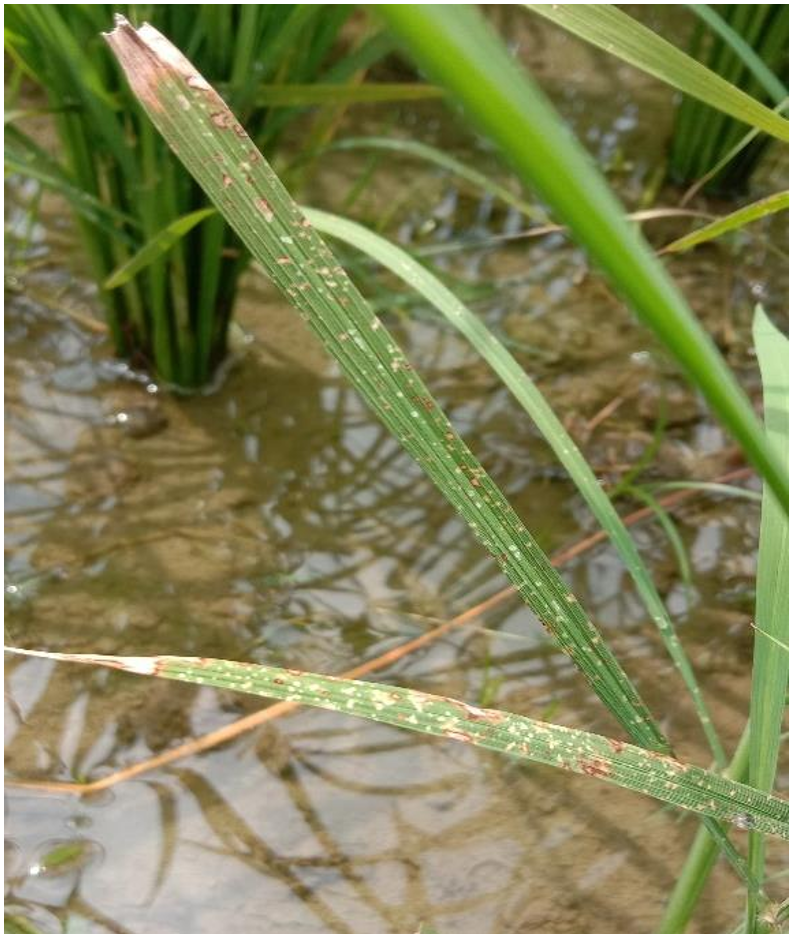 Fig. 1: Visual comparison of disease manifestations across different conditions.
Dataset Composition
The dataset classifies five distinct threats:
- Rice Blast (Magnaporthe grisea): Distinguished by spindle-shaped spots.
- Rice Tungro: A viral threat causing leaf yellowing and stunting.
- Sheath Blight (Rhizoctonia Solani): Identified by irregular greenish-grey spots.
- Brown Spot: Caused by Cochliobolus miyabeanus.
- Leaf Scald: Characterized by water-soaked lesions on leaf edges.
The authors maintained a balanced distribution across these classes to ensure that models do not develop a majority-class bias.
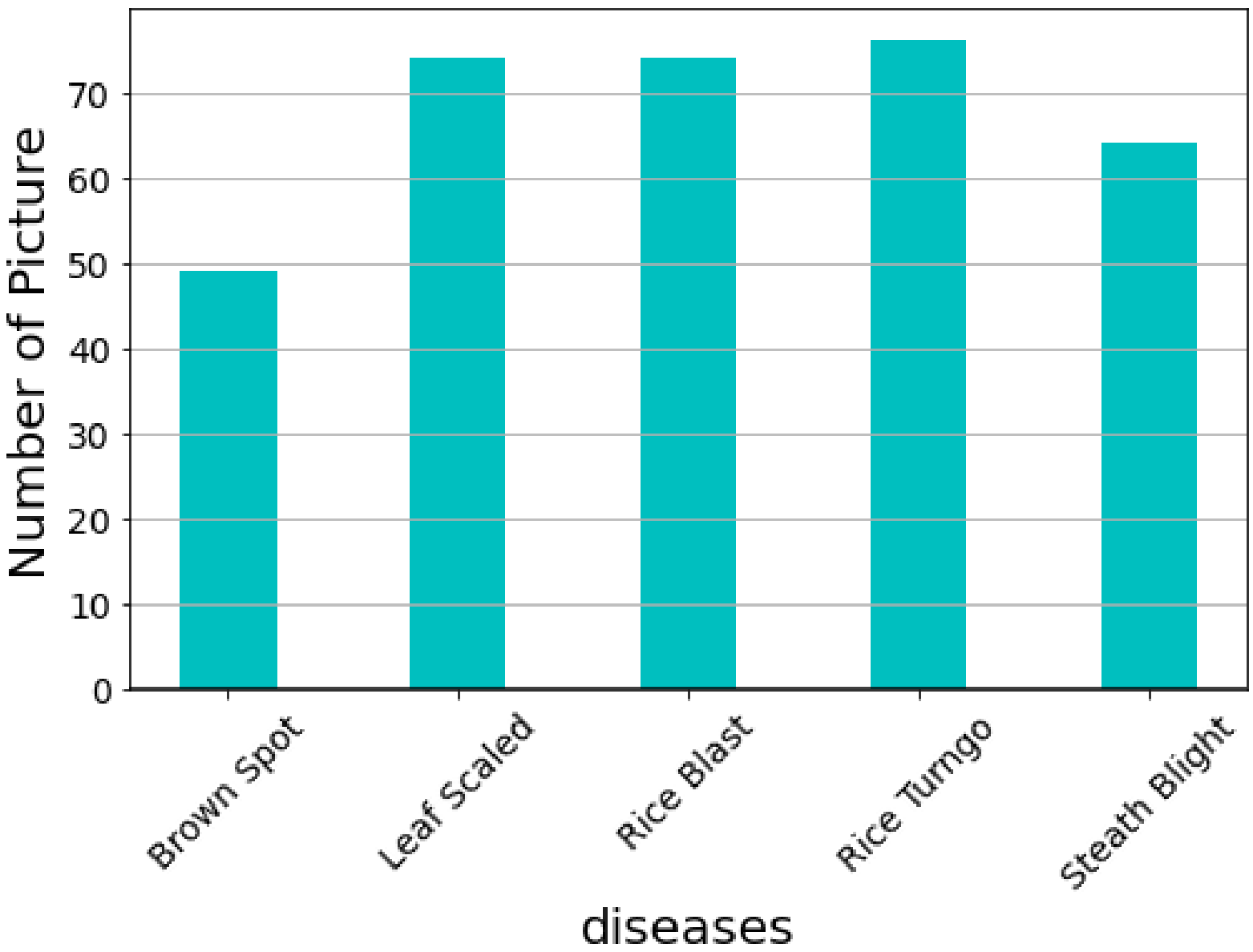 Fig. 2: Quantitative breakdown of the images captured in natural field settings.
Clinical and Academic Value
From an academic standpoint, Dhan-Shomadhan serves as a perfect testbed for Robustness Testing. A common experiment facilitated by this data is training on white-background images and testing on field-background images to measure a model's zero-shot generalization to the real world.
For the agricultural sector, this dataset is a foundational step toward "Precision Agriculture" in South Asia, moving away from reactive pesticide use toward targeted, AI-driven intervention.
Critical Insight & Conclusion
The true value of Dhan-Shomadhan is not just the images themselves, but the metadata of the environment. By including weather variables (fog, rain, etc.), the authors acknowledge that a leaf's appearance is a function of both biology and physics (lighting/optics).
Limitations: While the dataset is high-quality, 1,106 images is relatively small for training large-scale Vision Transformers (ViTs) from scratch. Users should leverage Transfer Learning (starting from ImageNet weights) or Data Augmentation (synthetic fog, rotation) to maximize the utility of this data.
Future Outlook: This dataset paves the way for mobile-based diagnostic tools that can empower Bangladeshi farmers to act as their own plant pathologists.