
Digital Empowerment: A Strategic Blueprint for Rebranding Local Cultural Industries
A Brand Construction Strategy of Digital Cultural and Creative Empowerment in Local Cultural Industries
This paper introduces a digital cultural and creative empowerment strategy to revitalize local industries in Taiwan. It proposes a brand construction model that integrates service design tools and digital marketing to build cross-border brand equity and sustainable local economies.
TL;DR
This study tackles the stagnation of traditional local industries by proposing a "Digital Cultural and Creative Empowerment" model. By leveraging Service Design and Digital Marketing, the authors provide a roadmap for local brands to transform native cultural assets into international brand equity, ensuring sustainable growth from the founding phase to long-term stability.
Problem & Motivation: The "Quality-Marketing" Gap
Many local industries in Taiwan and beyond face a common paradox: they produce goods with deep historical and cultural value, yet they remain invisible in the global market.
The authors identify several pain points:
- Lack of Brand Management: Small scale-operations often treat branding as "pick-and-mix" design rather than an integrated strategy.
- Digital Alienation: Local practitioners are often disconnected from modern digital tools and social media dynamics.
- Globalization Pressure: As foreign mass culture infiltrates local markets, native industries must find a way to resonate emotionally with modern consumers without losing their cultural soul.
Methodology: Bridging Storytelling and Technology
The authors argue that the "core value" of a local brand lies in its Humanities, Culture, and Geography. To unlock this value, they propose a structured transition through three stages:
- Diagnosis via Service Design: Utilizing workshops to apply tools such as the Customer Journey Map and Service Blueprint to identify friction points in the user experience.
- Digital Integration: Introducing "Interdisciplinary Talents" who act as bridges between rational technology developers and sentimental cultural creators.
- Sustainable Strategy: Creating a cycle that moves from "Storytelling" (emotional value) to "Digitalization" (cost-saving communication) and finally "Commercialization" (diversified business models).
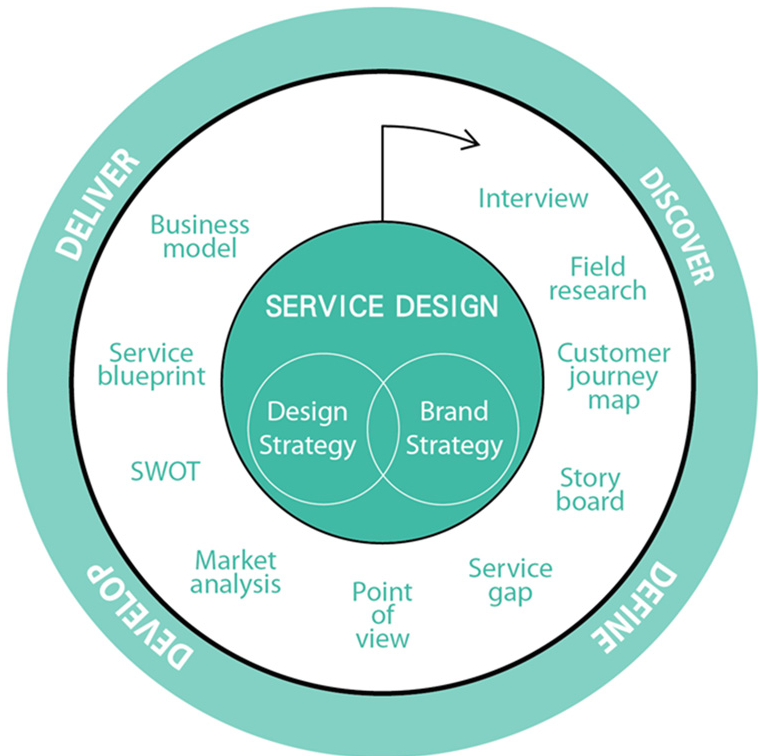 Figure 1: Ten service design tools introduced in the workshop to diagnose brand innovation opportunities.
Key Insights: Why Digital Branding Works
The research highlights that digital technology is not just an "add-on" but a fundamental tool for Value-Added Benefits:
- Emotional Connectivity: In a market where physical products are homogenized, "Stories" create an irreplaceable brand distinction. Digital media allows these stories to reach niche audiences efficiently.
- Cost Efficiency: For startups, digital platforms serve as low-cost "test bases" to gauge market acceptance before large-scale production.
- The Bridge Role: The study emphasizes the need for a new type of professional—the Interdisciplinary Manager—who understands both the language of designers and the logic of business/technology.
Results & The Sustainable Cycle
Data from expert interviews and workshops suggest that the most effective local brands are those that maintain a "Consistency of Core Value" across their lifecycle. The authors synthesized these findings into a comprehensive operation strategy pattern.
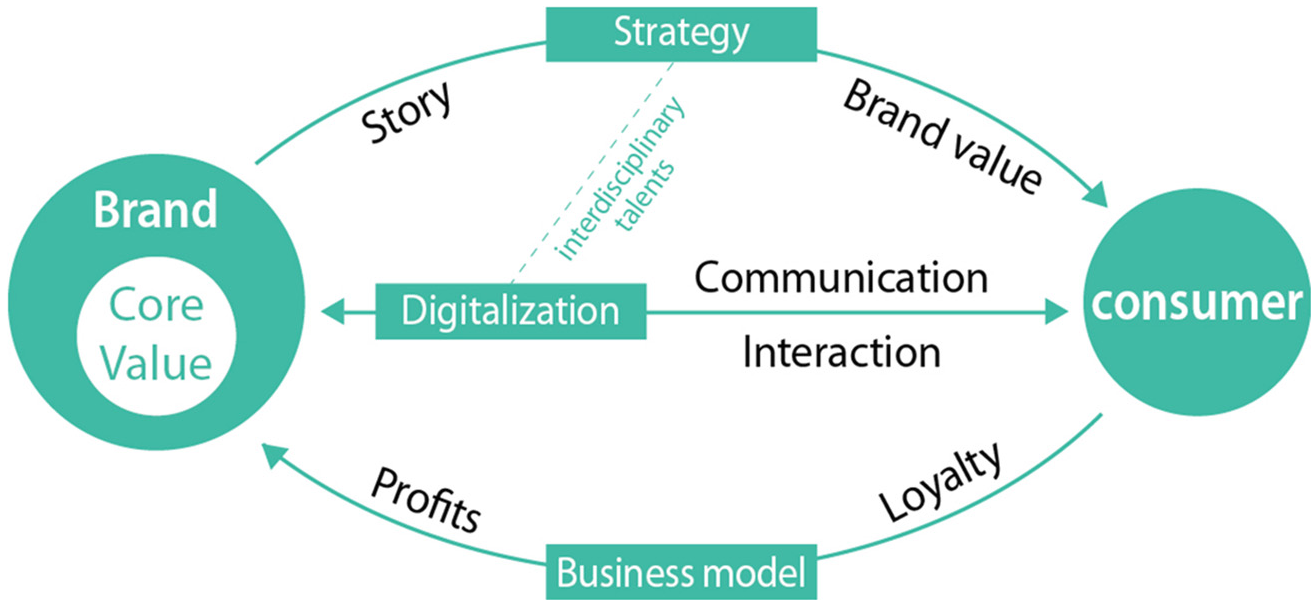 Figure 2: The Sustainable Brand Operation Strategy Pattern integrating Core Value, Digitalization, and Commercial Profits.
The study proves that:
- Four Essential Tools: Customer Journey Map, Storyboard, Service Blueprint, and Business Model Canvas are the most critical for local brand strategy.
- Diversified Revenue: Sustainable brands must separate their "Profit Departments" (stable revenue) from "Development Departments" (core cultural innovation).
Critical Analysis & Conclusion
Takeaway
The paper successfully argues that local industries don't need a "pick-and-mix" aesthetic facelift; they need a structural digital transformation. Digitalization is the "communication bridge" that allows local tradition to survive the recession phase of the business cycle.
Limitations
While the study provides a robust framework, it relies heavily on qualitative data from Taiwan-based experts. Future research could benefit from quantitative metrics (e.g., Conversion Rates, ROI) of local brands that have adopted this digital model compared to those that haven't.
Future Outlook
As we move toward more immersive digital environments (like AR/VR local tourism), this framework’s emphasis on "Storytelling" will become even more vital. Local brands that can effectively "digitalize their soul" will be the ones that succeed in the next era of the experience economy.