
Towards a Digital Ecosystem: Bridging Cloud Computing and Predictive Healthcare
Towards a Digital Ecosystem for Predictive Healthcare Analytics
The paper proposes a cloud-based Predictive Analytics Framework (PAF) designed to create a digital healthcare ecosystem. It integrates Electronic Health Records (EHR), personal health device data, and social media trends using a Hadoop-based architecture (HBase, Hive, Mahout) to enable early disease detection and resource optimization.
TL;DR
This research presents a comprehensive blueprint for a Predictive Analytics Framework (PAF) that leverages cloud computing to break data silos in healthcare. By integrating standardized medical records, wearable device data, and social media trends into a unified Hadoop-based ecosystem, the paper provides a roadmap for early disease detection and efficient health resource management.
Problem & Motivation: The Silo Effect in Healthcare
Despite the global shift toward Electronic Health Records (EHR), the healthcare industry remains plagued by "Data Islands." Each provider often uses proprietary formats that make interoperation nearly impossible. This is particularly problematic in regions like the Middle East (e.g., Saudi Arabia), where the lack of shared data hampers research into chronic conditions like Diabetes and prevents rapid response to epidemics.
The author's core insight is that predictive analytics requires more than just clinical data; it requires a "Digital Ecosystem" where real-world evidence—such as social media buzz and personal sensor readings—is fused with traditional medical history.
Methodology: The Four Pillars of the Framework
The proposed PAF is built upon four interconnected components designed to handle the "V's" of big data (Volume, Variety, and Velocity).
1. Standardizing the Ingest (IPHD & ISD)
The framework utilizes ISO/IEEE 11073 (X73PHD) and Clinical Document Architecture (CDA) standards to ensure that data from various personal health devices (MRI, ECG, glucose meters) can be ingested without being trapped in manufacturer-specific formats. Structured data is organized into Data Tuples (DT): This abstraction allows the system to remain "data type agnostic," supporting flexible schema evolution through OpenEHR types.
2. The Big Data Backbone (MapReduce and HBase)
To manage the sheer volume of records, the architecture sits atop Apache Hadoop.
- HDFS & HBase: Provide non-relational distributed storage.
- Hive: Act as the data warehouse, allowing researchers to query voluminous records via HiveQL (HQL).
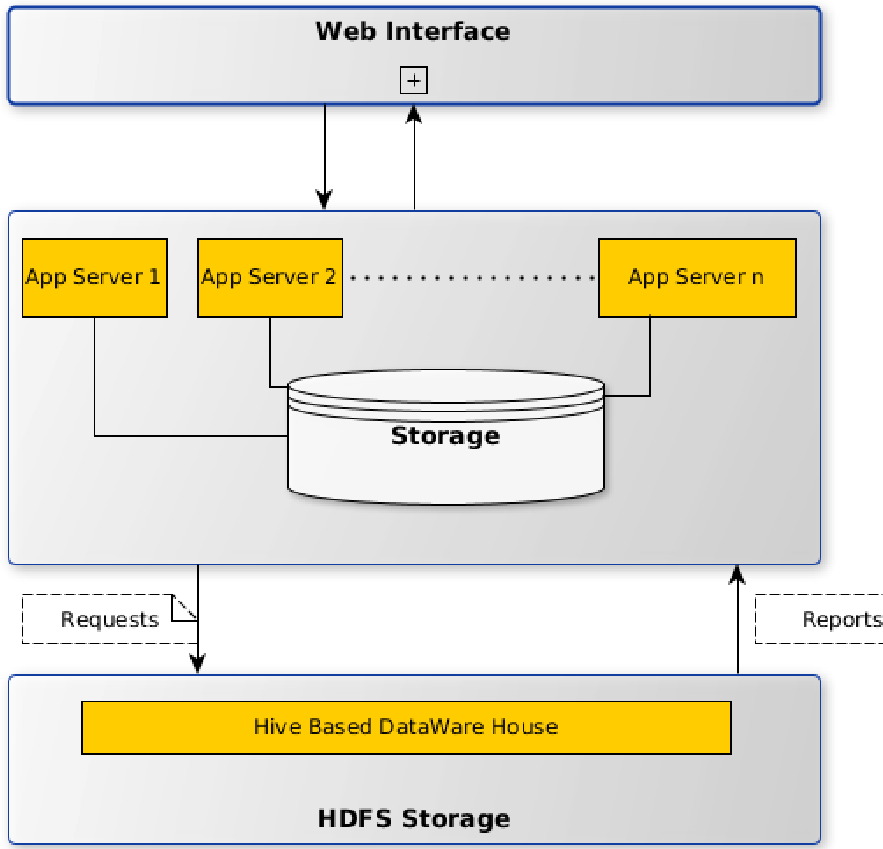 Figure 1: The data flow from disparate EHR sources through the Data Integration Service into the Hadoop ecosystem.
3. Social Media Component (SMC)
Unlike traditional medical frameworks, this model incorporates a "Social Media Component." By tapping into Twitter APIs and Google Trends, the system can track public health concerns in real-time. The paper suggests using MapReduce to process over 3.5 million tweets daily, filtering for specific medical index terms to create an "Epidemic Intelligence" system.
4. Healthcare Predictive Analytics Kernel (HPAk)
The "brain" of the system is the HPAk, which uses Apache Mahout.
- Classification & Clustering: Identifying patterns in patient symptoms.
- What-if Analysis: Helping policymakers simulate the impact of resource allocation decisions.
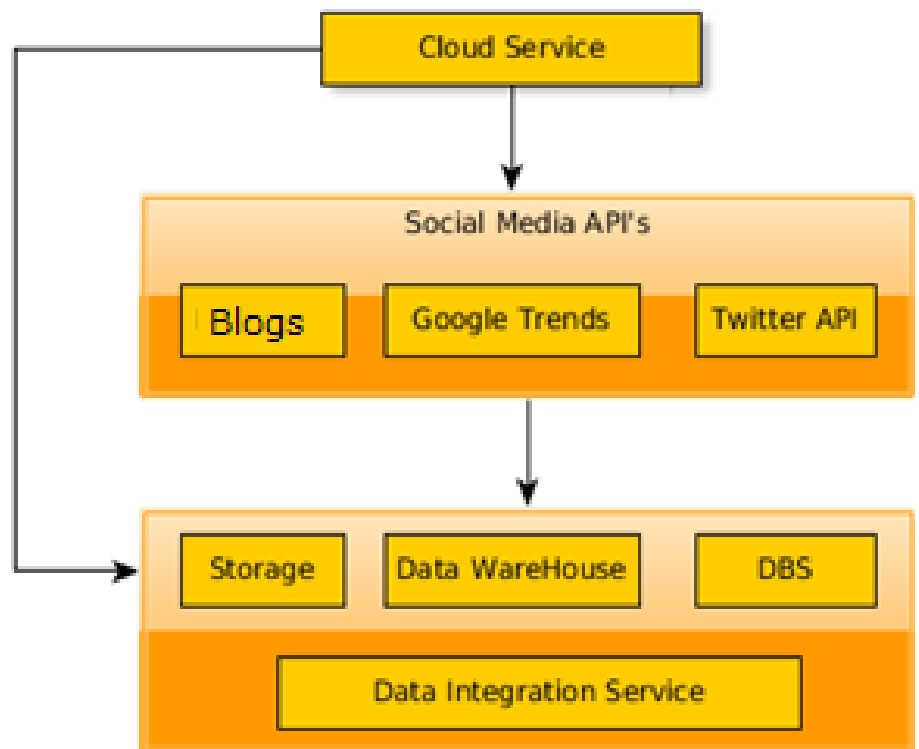 Figure 2: The architecture of the HPAk, showing the interaction between the Analytical Engine and the Model Repository.
Experiments & Results
The proof-of-concept emphasizes the transition of data from unstructured text files to structured HBase tables. By implementing MapReduce mappers for Tweet analysis, the framework demonstrates that high-velocity data can be reduced to actionable "Tweets-as-signals" for epidemiologists.
The study notes that once patterns (like those found in Swine Flu detection experiments) are validated by experts, the unsupervised learning algorithms within the HPAk provide significant predictive accuracy, effectively turning "noise" from clinical blogs into "signals" for early warning systems.
Critical Analysis & Conclusion
Takeaway
The paper’s primary value lies in its holistic view of healthcare IT. It moves beyond seeing clinical records as static documents and treats them as dynamic nodes within a cloud-based network. This approach is essential for modern "pervasive healthcare."
Limitations
While the architecture is robust, the paper leaves the security and privacy specifics (like HIPAA compliance in a cloud environment) as a secondary concern. Furthermore, the reliance on social media data introduces potential biases (the "digital divide"), as not all demographics are equally active on such platforms.
Future Outlook
As AI and LLMs (Large Language Models) evolve, this framework could be enhanced by replacing standard pattern recognition with more advanced transformer models, making the "Interface Tools" even more intuitive for medical professionals.