
Sport 4.0 for Kids: Solving the Dropout Crisis with Simple Digitalization
Digitalization in Sports to Connect Child’s Sport Clubs, Parents and Kids: Simple Solution for Tackling Social and Psychological Issues
This paper introduces a specialized digital communication platform designed for children's sports clubs to connect coaches, parents, and young athletes. By leveraging basic Industry 4.0 digitalization trends, the solution aims to mitigate high dropout rates (30-70%) by shifting the focus from public criticism to private, constructive feedback and progress tracking.
TL;DR
Youth sports are facing an identity crisis where the shift to eSports and high-pressure coaching leads to 30-70% of children quitting. This paper proposes a straightforward digital platform that reconnects clubs, parents, and kids. By moving performance feedback from the public field to a private app, the system preserves the "fun" for the child while satisfying the "achievement tracking" needs of the parent.
Contextual Positioning
While elite professional sports use "Sport 4.0" for performance biometrics and AI-driven scouting, the grassroots level—specifically children's clubs—remains technologically underserved. This work acts as a socio-technical bridge, applying Industry 4.0 communication principles to solve psychological barriers rather than just physical performance metrics.
The Core Challenge: The Death of "Fun"
The authors identify a critical disconnect in the youth sports ecosystem:
- The Parent Trap: Parents value "achievement status," often creating high-pressure environments that kill a child's intrinsic motivation.
- The Public Shame Factor: Public criticism from coaches, though intended to be corrective, often results in "fear, anxiety, and doubt."
- The Information Gap: COVID-19 highlighted the lack of digital contact tracing and progress reporting in local clubs.
The "Fun Integration Theory" cited in the paper lists 81 factors that determine whether a child stays in a sport. The most important? Positive team dynamics and positive coaching.
Methodology: A Multi-Directional Communication Channel
The proposed solution isn't a complex AI; it is a meticulously designed C# / ASP.net system structured around 5 key modules: Authentication, User, Club, Coach, and Parent.
Architecture Overview
The system facilitates 26 distinct functions, but its true "Methodological Insight" lies in the Digitalization of the Reference/Result:
- Pre-Lesson: Schedules and task descriptions help set expectations ("Optimally challenging tasks").
- Post-Lesson: Coaches "fix" a description of the child's progress. This private channel allows parents to reflect on the success without immediately critiquing the child in the car ride home.
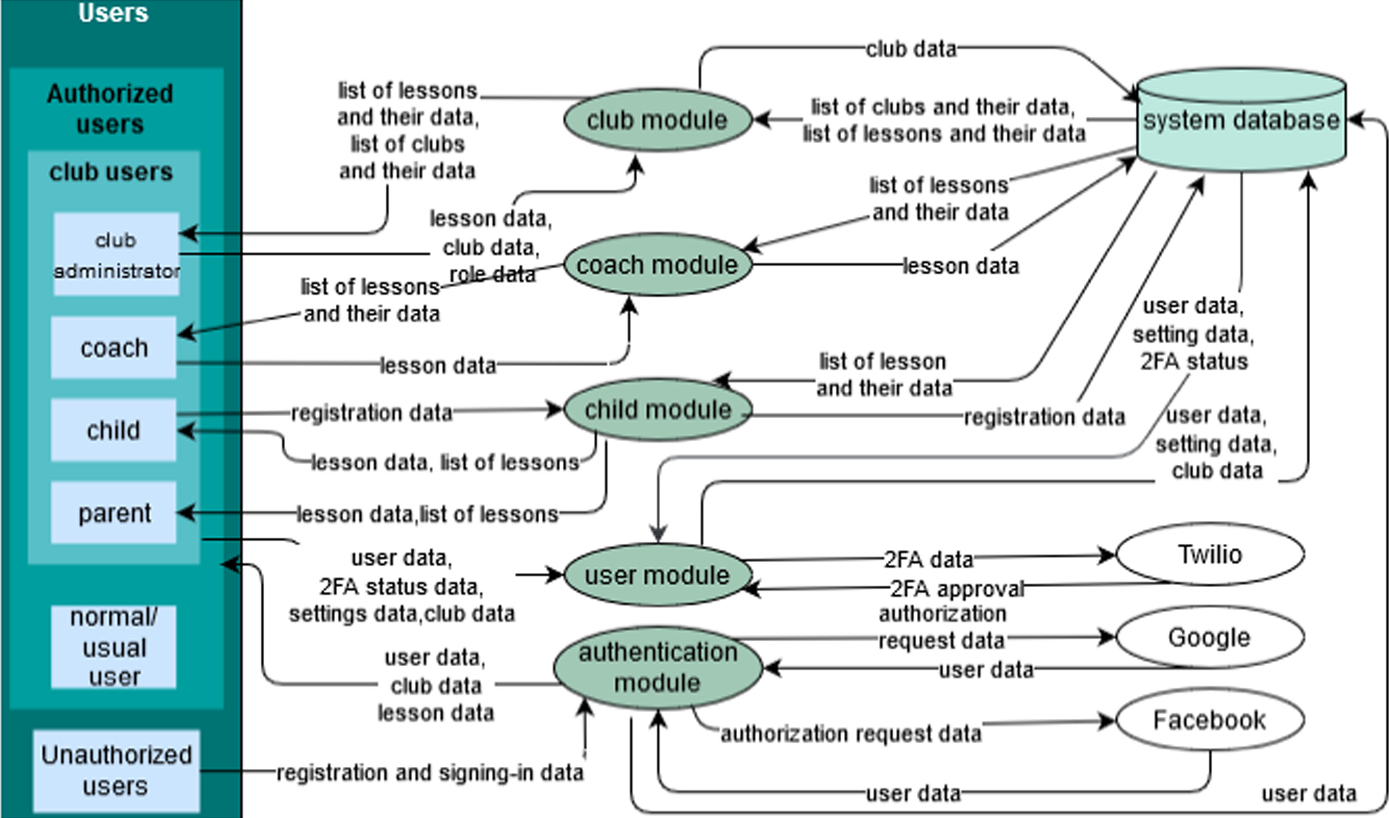 Figure 1: The 26 functional requirements across 6 user groups designed to bridge the communication gap.
Addressing the Socio-Psychological Barriers
The researchers mapped 25 socio-psychological determinants directly to technical features. For instance, "Learning from mistakes" is handled by a private coach description, allowing the child to process feedback away from the eyes of peers.
Performance vs. Cost
Using the PERT (Program Evaluation and Review Technique), the authors estimate that this solution requires only 516 development hours. This proves that high-impact social change in sports doesn't require a Silicon Valley budget; it requires a logical restructuring of how information flows.
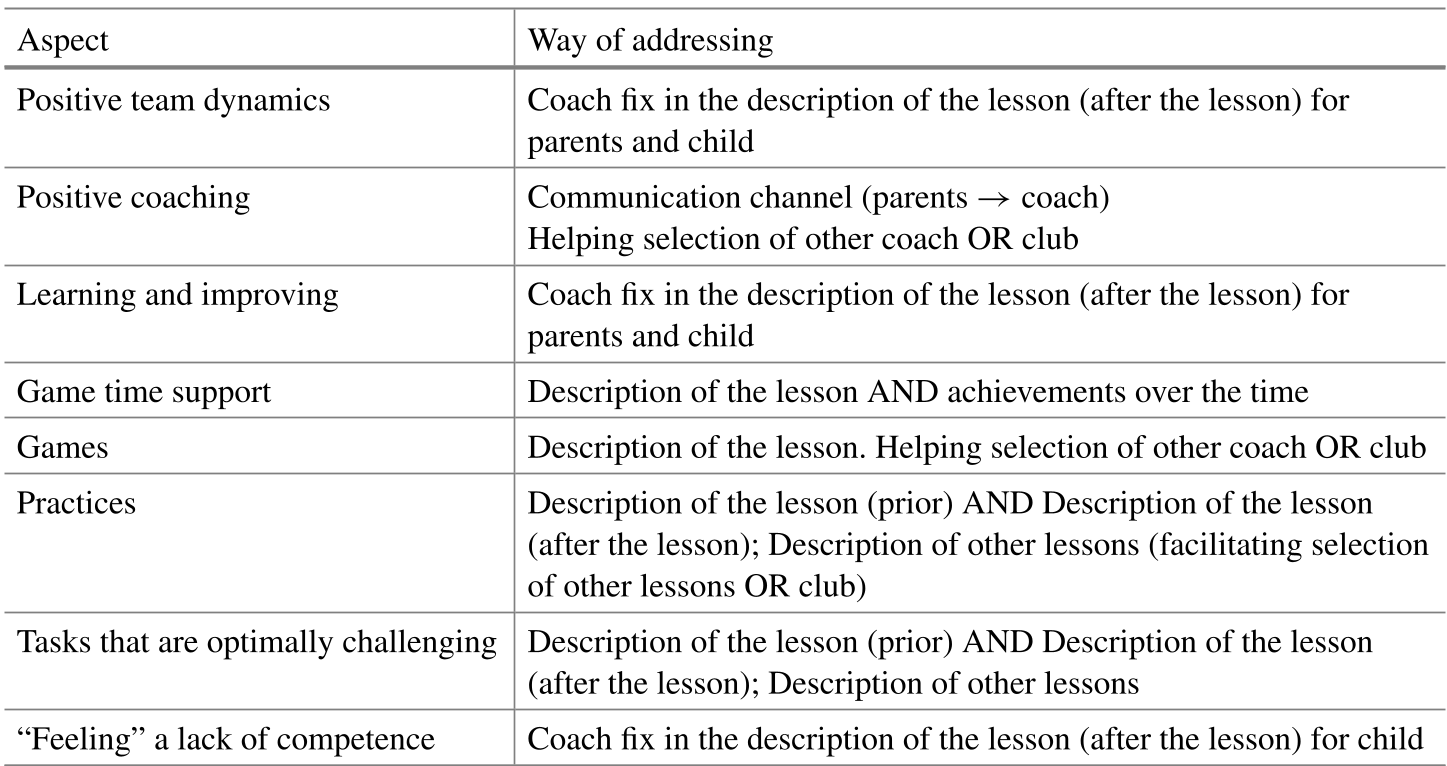 Table 1: How digital features (Way of addressing) solve psychological issues like "Feeling a lack of competence."
Critical Insight & Conclusion
Takeaway
The genius of this work is the realization that privacy is a motivator. By digitizing the "achievement" layer of sports, we can keep the physical field a zone for "autonomous motivation" (fun and play) while keeping the digital app as the zone for "controlled motivation" (tracking and goals) for parents and coaches.
Limitations & Future Work
While the solution is technically sound, its success relies heavily on the Coach's input quality. If a coach provides negative or sparse feedback digitally, the psychological benefit is lost. Future iterations could integrate IoT sensors (heart rate, movement) to automate some of the progress tracking, further reducing the administrative burden on the coach.
Final Verdict
This paper serves as an urgent call to action for local sports clubs: Digitalize to Humanize. By implementing simple information channels, clubs can protect the emotional health of the next generation of athletes.