
Digital Capital and Structural Holes: Mapping the Social DNA of Political Twitter
Direct Candidates in NRW, Social Structure and Social Network Analysis
This study investigates the social structure and Twitter-based social networks of direct parliamentary candidates in North Rhine-Westphalia (NRW) during the 2017 German federal election. By applying Pierre Bourdieu's capital theory and Social Network Analysis (SNA), the authors identify key "opinion leaders" and reveal significant "filter bubble" effects among political parties.
TL;DR
This research dissects the 2017 German federal election candidates in NRW through the lens of sociologists Pierre Bourdieu and Ronald Burt. It reveals that Twitter acts as a digital "field" where existing social inequalities—gender, age, and education—are amplified rather than leveled, creating a network dominated by brokers who hold high traditional cultural capital.
Contextual Positioning
This study sits at the intersection of Political Science and Computational Social Science. Unlike purely data-driven network analyses, it grounds its findings in the "Praxeology" of Pierre Bourdieu, viewing social media interactions as a struggle for "Symbolic Capital."
The Problem: Digital Echo Chambers and Social Inertia
The authors identify a critical gap in our understanding of online political communication: Does the "new space of discourse" (Twitter) actually democratize influence?
The findings suggest the opposite. The authors argue that:
- Structural Inequality: Virtual spaces often intensify existing gender and age gaps.
- Field Logic: Political actors bring their "Habitus" (class-based dispositions) into the digital realm, where "Opinion Leadership" is not randomly distributed but follows established social hierarchies.
Methodology: Bridging Sociology and Graph Theory
The study employs a sophisticated methodology to classify candidates:
- Epochal Cohorts (EPC): Dividing candidates by historical socialization (e.g., Peace Movement vs. German Reunification) to see how age shifts digital engagement.
- German Qualifications Framework (GQF): Using educational titles as a metric for "Institutionalized Cultural Capital."
- Social Network Analysis (SNA): Using the Kamada-Kawai algorithm for visualization and PCA (Principal Component Analysis) to determine which centrality measures (Local Bridging, Information Centrality, etc.) best capture power in the network.
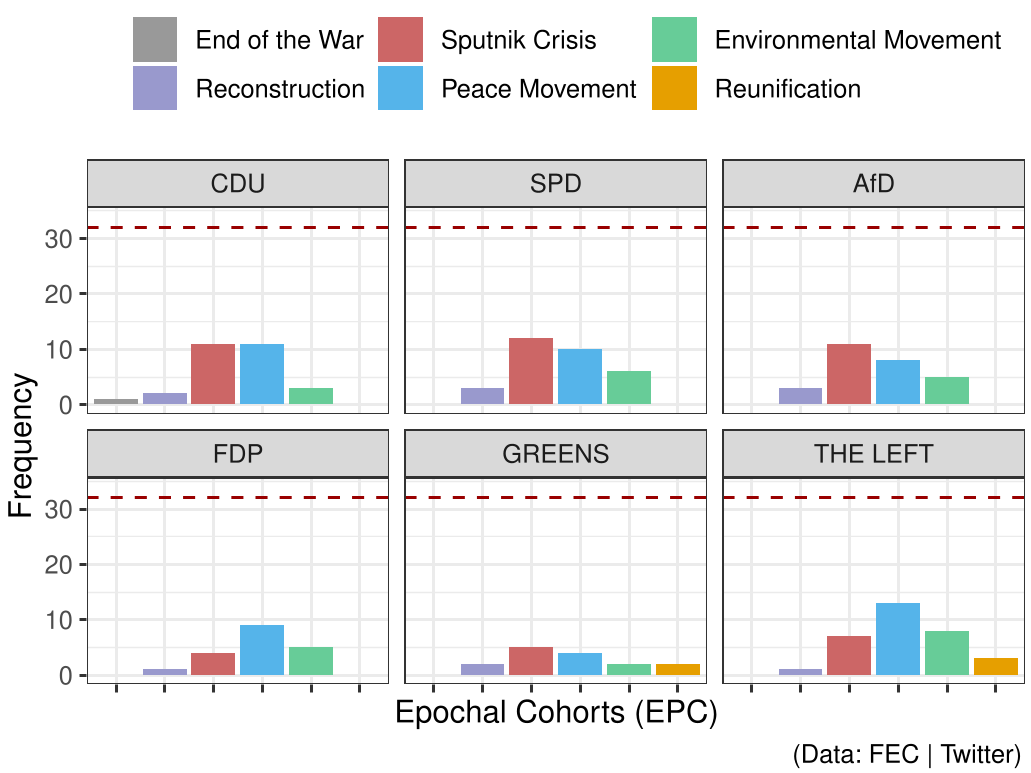 Figure 1: Educational and generational distribution influences who enters the digital political field.
Key Insights: Filter Bubbles & Structural Holes
The most striking visual evidence comes from the aggregate network map. The authors identified a phenomenon of Structural Holes—gaps between clusters that are only bridged by a few "brokers."
- The AfD Isolation: The network graph shows the AfD exists as a "filter bubble" almost entirely disconnected from established parties (SPD, CDU, Greens, FDP). Only a few "weak ties" exist, showing a discrepancy between "knowing" an opponent and "acknowledging" them.
- Brokerage as Power: Candidates who occupy the "holes" between party clusters gain an information advantage. These "opinion leaders" typically possess higher educational levels (GQF Level 7-8), suggesting that digital influence is a byproduct of traditional status.
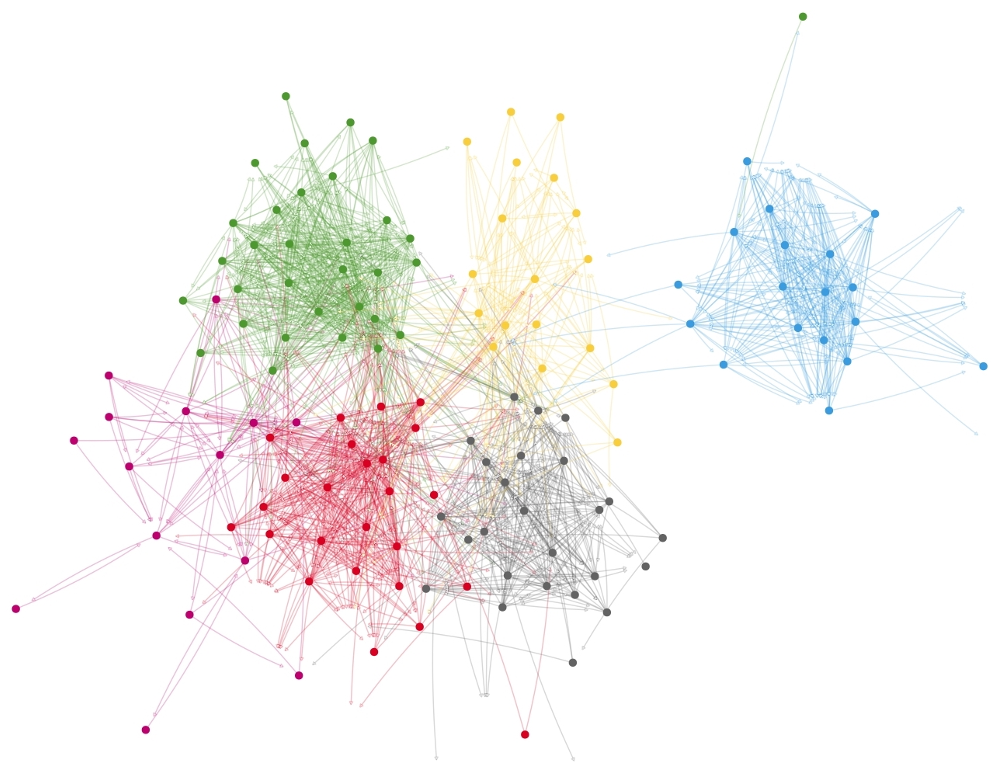 Figure 2: PCA results showing which centrality measures best identify the architectural power of a node.
Detailed Results: Who Leads the Conversation?
The study provides a comprehensive table of top candidates based on different centrality metrics. It demonstrates that "Opinion Leadership" on Twitter is highly correlated with:
- Gender: Predominantly male (particularly in the AfD and FDP).
- Academic Background: Academics dominate the "ClusterRank" and "Information Centrality" scores.
- Political Verification: Twitter's verification badge acts as a form of "Symbolic Capital," reproducing reputation and prominence.
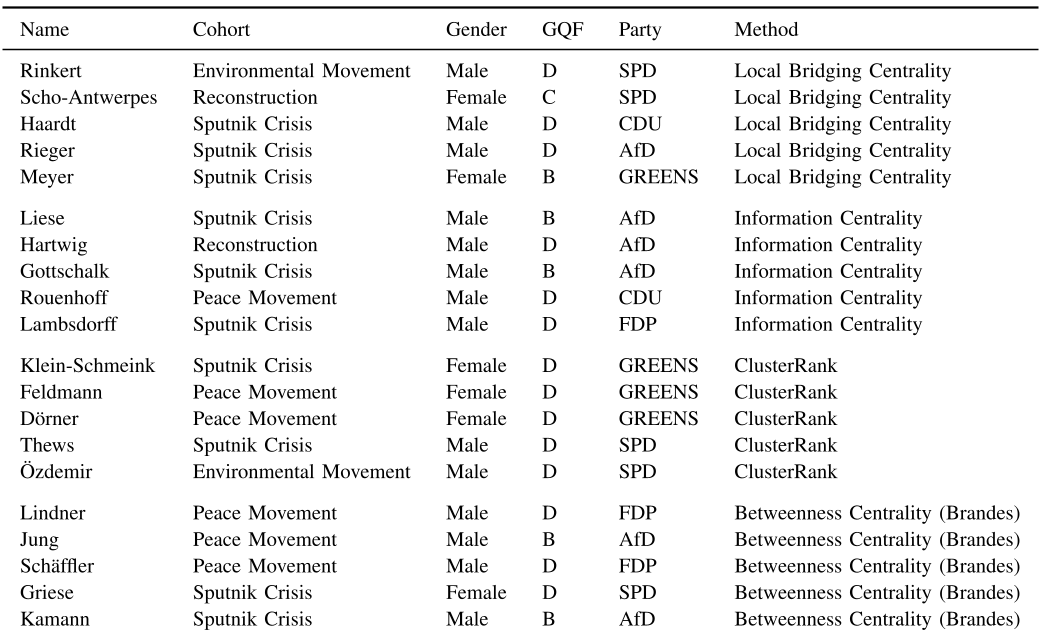 Table 1: Top 5 most central candidates. Note the high frequency of 'D' (Doctorate/Higher Education) and the 'Sputnik Crisis' cohort.
Conclusion and Future Outlook
The research concludes that the political "Field" on Twitter is not a blank slate. It is a structured space where:
- Visibility is unequal: Gender and education remain major barriers to digital prominence.
- Fragmentation is structural: "Filter bubbles" are not just accidental; they are a result of political practices of mutual exclusion.
Future Perspective: As AI-driven discourse begins to populate these networks, understanding the "Habitus" of the human actors behind the accounts becomes even more critical to distinguish authentic opinion leadership from algorithmic noise.