
Disinformation as Hybrid Warfare: Navigating the Legal Labyrinth of Information Disorder
A Consideration of the Case Study of Disinformation and Its Legal Problems
This paper explores the global rise of "disinformation" within the context of hybrid warfare, categorizing its various forms and analyzing its impact on democratic processes such as elections. It evaluates the limitations of existing international law (specifically the Tallinn Manual 2.0) and proposes a tripartite classification of national legal countermeasures adopted by 53 countries to mitigate these threats.
TL;DR
Information is no longer just a resource; it is a weapon. This paper dissects how state actors use "disinformation" to bypass traditional military defenses and strike at the heart of democracy: the voter's mind. By analyzing global trends and the failures of international law, the author provides a roadmap of how nations are fighting back through controversial new legislations and tactical sanctions.
Background: The Fifth Battlefield
The transition from kinetic warfare to Hybrid Warfare has turned social media platforms into front lines. Cyberspace is now recognized as the "fifth battlefield," where the objective isn't to destroy bridges, but to destroy trust. The author highlights that since 2016, disinformation has evolved from simple "fake news" into a sophisticated state strategy involving strategic leaks, organized protests, and economic leverage.
The "Truth" Problem: Why "Fake News" is an Inadequate Term
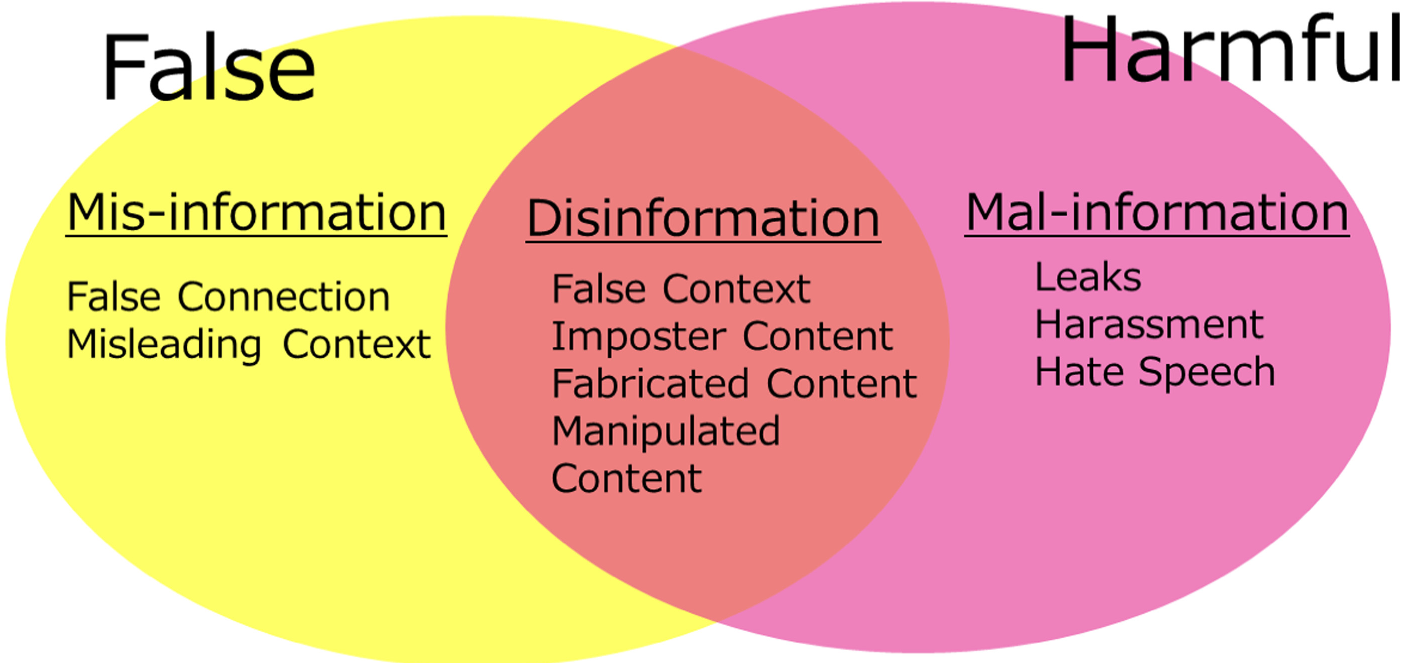
One of the paper's most critical insights is the redefinition of disinformation. The author argues that focusing solely on "falseness" is a mistake.
- Mis-information: False info, no harm meant.
- Dis-information: False info, intended harm.
- Mal-information: True info (like leaked private emails), shared to cause harm.
The author points out that even "true" information, when manipulated or presented out of context (e.g., the 2016 DNC leaks), functions as disinformation because its goal is to create social divide and anxiety.
Global Trends: Targeting the Cognitive Domain
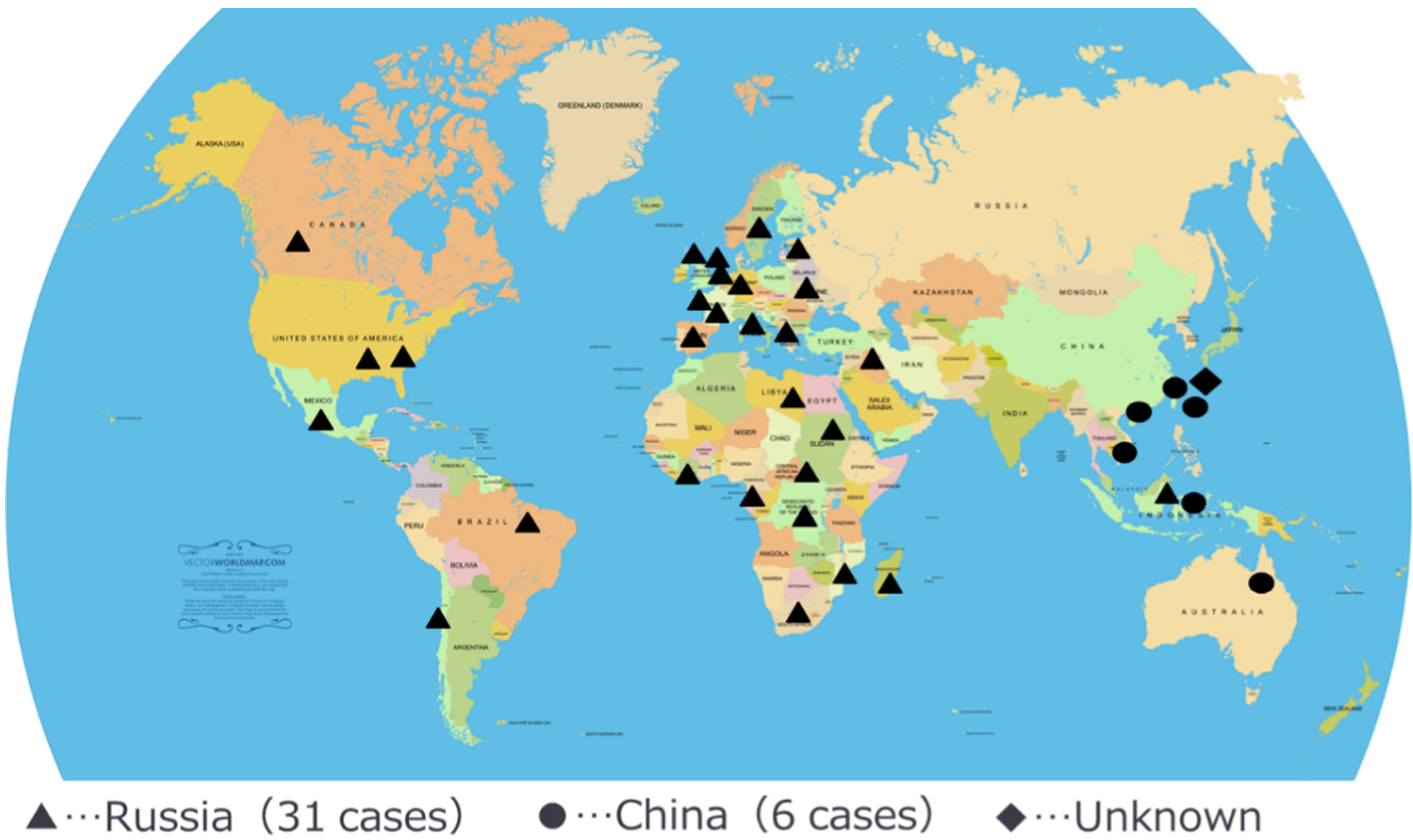
Data from the Canadian Centre for Cyber Security (CCCS) and the author's own investigation show a chilling trend: threat actors are moving away from hacking voting machines and moving toward "hacking" voters. Between 2015 and 2018, the proportion of elections targeted by cyber threats grew from 15.4% to 50.0%.
The Legal Gap: Why International Law is Currently Powerless
The paper applies the Tallinn Manual 2.0—the "bible" of international law in cyberspace—to disinformation. The results are discouraging:
- Sovereignty (Rule 4): Disinformation rarely violates sovereignty unless it physically stops a polling station from working. Influence operations on SNS are generally not considered violations.
- Espionage (Rule 32): Stealing data isn't necessarily illegal under international law unless it violates privacy rights or involves destructive measures.
- Intervention (Rule 66): For an act to be "unlawful intervention," it must be "coercive." As long as a voter technically has the choice to vote for someone else, disinformation is seen as "interference" (legal) rather than "intervention" (illegal).
Methodology: Three Flavors of National Countermeasures
Since international law is lagging, the author categorizes how nations are taking matters into their own hands:
| Type | Example | Mechanism | Pros/Cons |
|---|---|---|---|
| Content Regulation | Germany (NetzDG), France | Platforms must remove "illegal" content within 24h or face massive fines. | Pro: Rapid response. Con: Risks violating "Freedom of Expression." |
| Posteriori Sanctions | USA, Taiwan | Sanctioning assets of foreign actors after interference is proven. | Pro: Respects free speech. Con: Requires extremely high "Attribution" capability. |
| Anti-Establishment Control | Russia, China | Banning info that "disrespects authorities" or "undermines public confidence." | Pro: Strong state control. Con: Often used to suppress internal dissent/democracy. |
Deep Insight: The Path Forward
The author advocates for Posteriori Sanctions as the most balanced approach for democratic societies. By focusing on the actor (foreign state organs) rather than the content (the speech itself), nations can deter external interference without turning into "digital authoritarians."
However, the paper concludes with a warning: technology is moving faster than law. As disinformation cycles become cheaper and more automated, the only sustainable defense is a "human-centric" approach—combining legal sanctions with aggressive media literacy and fact-checking initiatives.
Critical Analysis & Conclusion
While the paper provides an excellent taxonomy of legal responses, its reliance on "attribution" is its Achilles' heel. Assigning definitive blame to a foreign intelligence agency (like the GRU or MSS) is a move fraught with political risk and technical difficulty. Future research must bridge the gap between Cyber Forensics and International Jurisprudence to make these proposed sanctions truly effective.