
Toward Ubiquitous Healthcare: Bridging the Gap with Distributed Data Mining
Distributed Data Mining in a Ubiquitous Healthcare Framework
The paper proposes a ubiquitous healthcare (u-healthcare) framework that integrates Distributed Data Mining (DDM) for real-time patient monitoring and clinical decision support. The core method leverages SNOB, a mixture-modeling tool based on Minimum Message Length (MML), to partition large medical datasets for parallel processing across local clusters.
TL;DR
As the global population ages, the move toward "u-healthcare" (ubiquitous healthcare)—providing medical services anywhere, anytime—is no longer optional. This paper presents a prototype framework that utilizes Distributed Data Mining (DDM) and Bayesian Mixture Modeling to process vast amounts of patient sensor data. By partitioning data via the SNOB system and processing it in parallel, the framework enables real-time clinical decision support without the bottlenecks of centralized architectures.
The "Why": Beyond Hospital Walls
The primary motivation for this research is the unsustainable nature of hospital-centric care. Current systems face three major pain points:
- Data Explosion: Continuous monitoring via wearable sensors generates data rates far exceeding the processing capacity of single machines.
- Geographical Separation: Medical data is naturally distributed across different homes, clinics, and mobile devices.
- Cost vs. Quality: There is immense pressure to reduce healthcare costs while simultaneously improving the precision of preventive care.
The author's insight is that healthcare data shouldn't be forced into a single central silo. Instead, we should bring the mining to the data through a distributed architecture.
Methodology: The DDM Framework
The core of this system is the integration of a Clinical Decision Support System (CDSS) with a robust DDM pipeline.
1. Data Collection & Transmission
Wearable wrist sensors track blood pressure and pulse, transmitting data via ZigBee (for home use) or CDMA (mobile phone) to a central storage facility. A "light-weight" mining component on the mobile device performs initial triage to detect immediate emergencies like falls.
2. The DDM Pipeline (The Logic)
The paper utilizes a cluster-based DDM approach to handle the secondary, long-term analysis of stored records:
- Partitioning (SNOB): Instead of random splitting, the system uses Mixture Modeling via the Minimum Message Length (MML) principle. This discovers "natural" classes in the data, ensuring that the partitions are statistically meaningful.
- Parallel Execution: Using MPI (Message Passing Interface), these partitions are distributed across a cluster of PCs.
- Model Building (C4.5): Each node builds local decision trees.
- Aggregation: A voting mechanism picks the "Top 3" rules from each local node to construct a global model.
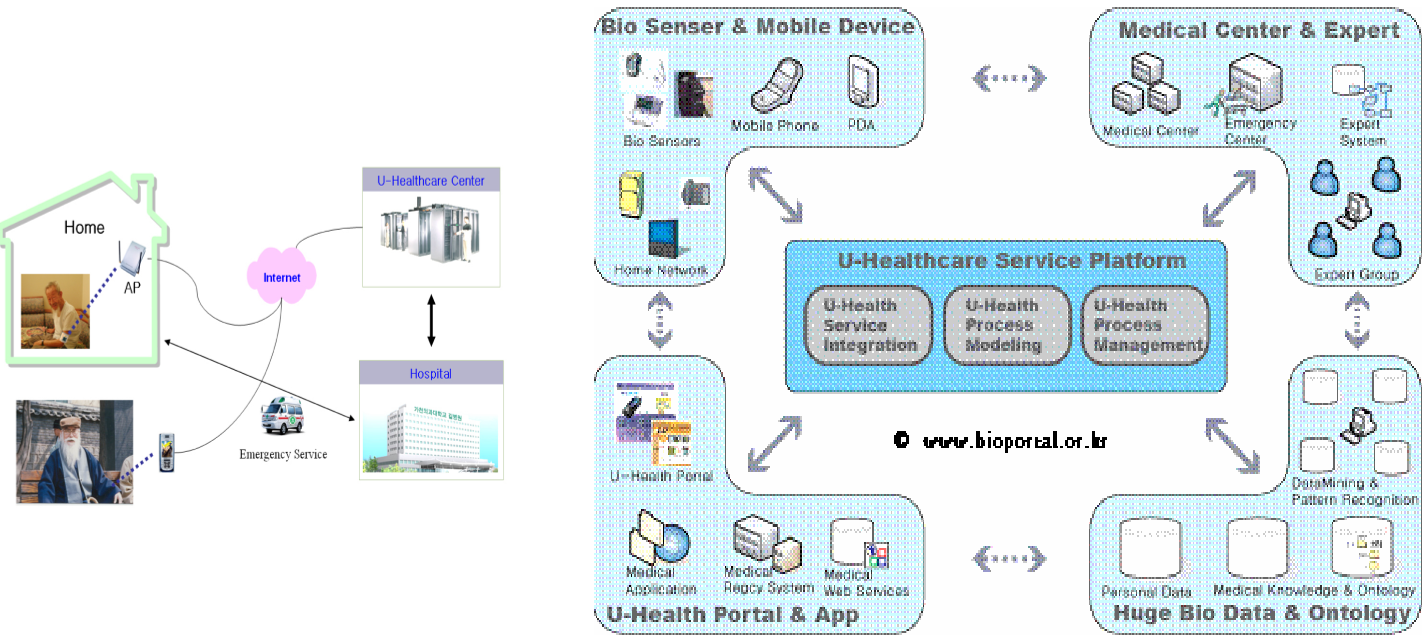 Figure 1: The proposed u-healthcare service framework, illustrating the flow from wearable sensors to the Healthcare Center.
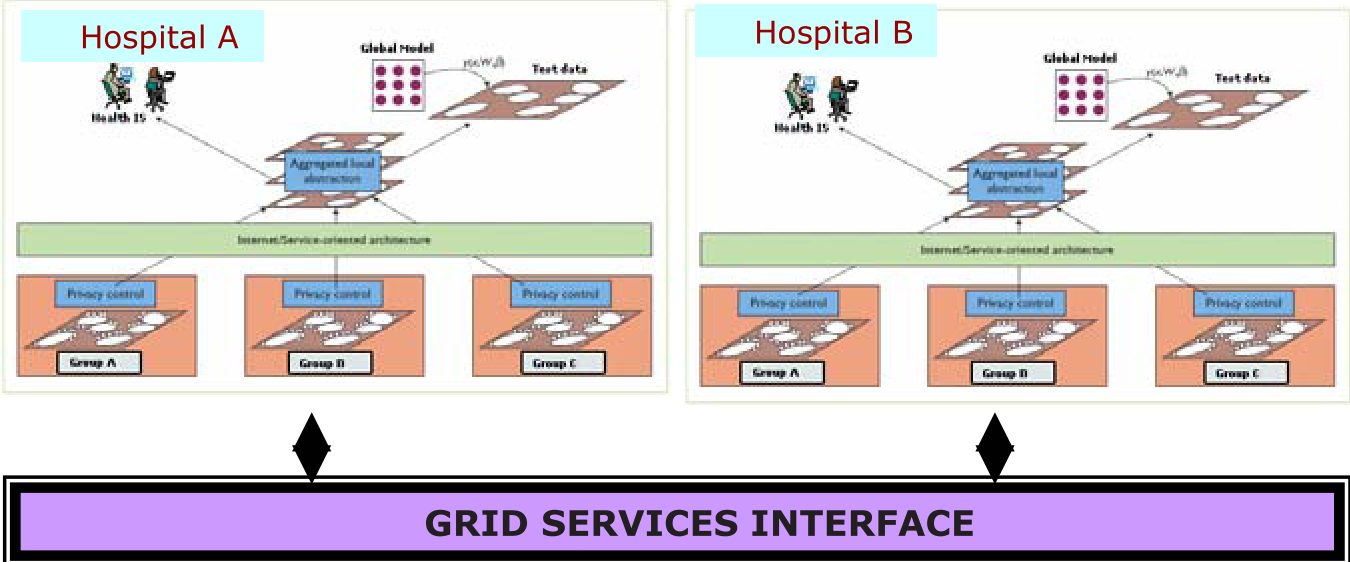 Figure 2: The Distributed Data Mining architecture utilizing SNOB for partitioning and MPI for distribution.
Experiments: Validating Performance
The system was tested using the Pima-Indians-Diabetes and Yeast datasets from the UCI repository. The critical question was: Does partitioning the data lose the "global" truth?
The results showed that:
- The Predictive Accuracy of the global model (derived from partitions) remained within 10% of the model trained on the full, unpartitioned dataset.
- As the number of classes increased, the error gap between the partition-based rules and original rules narrowed, indicating that the mixture modeling effectively captured underlying data distributions.
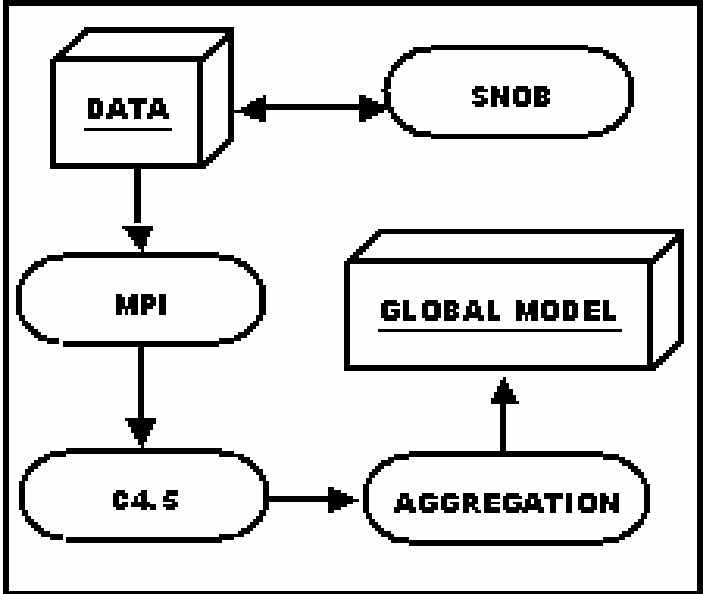 Figure 3: Comparison of error rates between partition rules and original rules.
Critical Insight & Future Outlook
The beauty of this framework lies in its Inductive Bias. By assuming that healthcare data consists of multi-state populations that can be described via Bayesian distributions (the MML approach), the researchers created a method that scales without requiring a massive central supercomputer.
Limitations: While the technical architecture is sound, the paper acknowledges a rising "Privacy Paradox." As monitoring becomes truly ubiquitous, the risk of unauthorized location tracking and data leakage increases. Furthermore, while the voting-based aggregation is simple and effective, modern Federated Learning (which didn't exist in its current form when this was written) would likely provide even better privacy guarantees.
Conclusion: This work serves as a foundational blueprint for modern IoT-based health systems. It proves that a patient-centric approach—where data is analyzed at the edge and aggregated intelligently—is the only way to scale healthcare to meet the needs of a global, aging society.