
Bridging Medical Silos: Dynamic Cross-Consortium Chain Mechanisms in e-Healthcare
12105_Dynamic Autonomous Cross Consortium Chain Mechanism in e-Healthcare.
This paper proposes a dynamic autonomous cross-consortium chain mechanism for e-healthcare data sharing. It introduces a Cross-chain Communication Mechanism (TCCM) and Path-Proof Construction (PPC) rules to enable secure, millisecond-level data interaction between heterogeneous medical institutions while ensuring patient privacy and data ownership.
TL;DR
To solve the problem of "data islands" in medical research, this paper introduces a novel cross-chain communication framework. By leveraging Threshold Digital Signatures and Multi-privileged Subgroups, the system allows different medical institutions to share clinical data autonomously and securely. The core innovation lies in a value-transfer game that ensures nodes are incentivized to cooperate without risking asset loss.
The "Value Isolation" Problem in e-Healthcare
Modern medical research, particularly for rare diseases, suffers from a lack of sufficient clinical records. While consortium blockchains provide integrity and traceability within an institution, they often create new silos—Value Isolation.
Previous cross-chain attempts (like Sidechains or Hash Locking) were designed for financial cryptocurrency transfers. They are often too "heavy" for medical IoT devices and fail to address the specific privacy-ownership requirements of patients who need to selectively share records across different healthcare jurisdictions.
Methodology: The Core Trinity
The authors propose a system built on three pillars: TCCM, PPC, and VTM.
1. TCCM: Cross-Chain Consensus via Group Signatures
Instead of a massive global consensus, the paper models cooperation as a threshold signature. If a group of consortium chains () cooperate, their Verification Node Lists (VNL) act as "privileged subgroups."
The physical intuition here is that a cross-chain transaction is only valid if a sufficient threshold of nodes within each participating chain signs off on it. This extends the internal trust of a single hospital to a network of hospitals without increasing computational complexity.
2. PPC: Simplification of Trust Paths
To keep the system lightweight, Path-Proof Construction (PPC) simplifies complex P2P topologies into directed identity proofs.
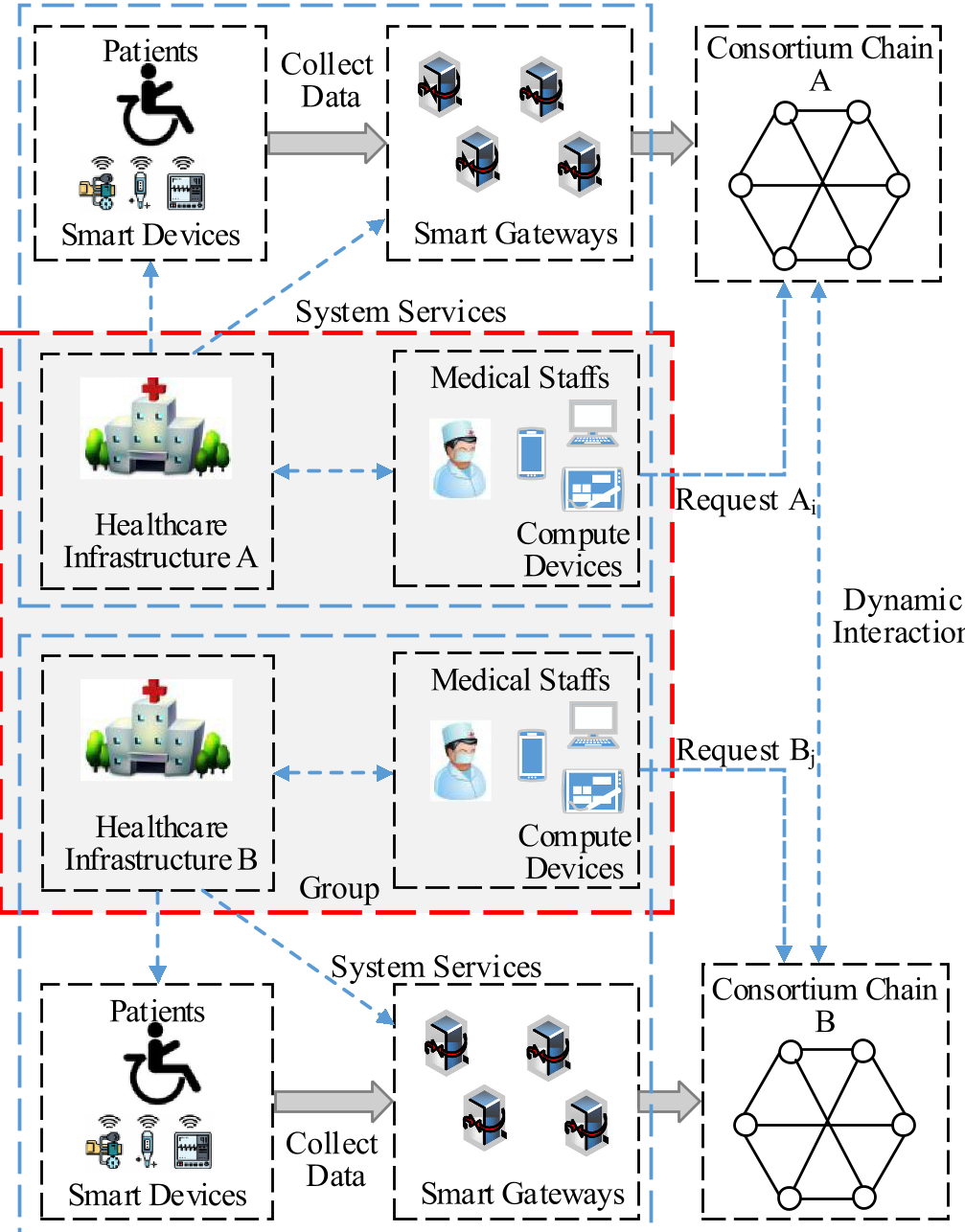 Fig 1: The cross-consortium chain system model illustrating data flow from medical IoT to the blockchain.
3. VTM: The Value Transfer Game
The researchers used Game Theory to solve the "Relay Dilemma." In a multi-hop transfer, why should a middle node help? By using a Hash-Lock mechanism with specific time offsets (), the paper ensures that:
- Rational nodes only trigger contracts once they are guaranteed an inbound payment.
- The execution order is the reverse of the deployment order, preventing "starvation" or "theft" by relay nodes.
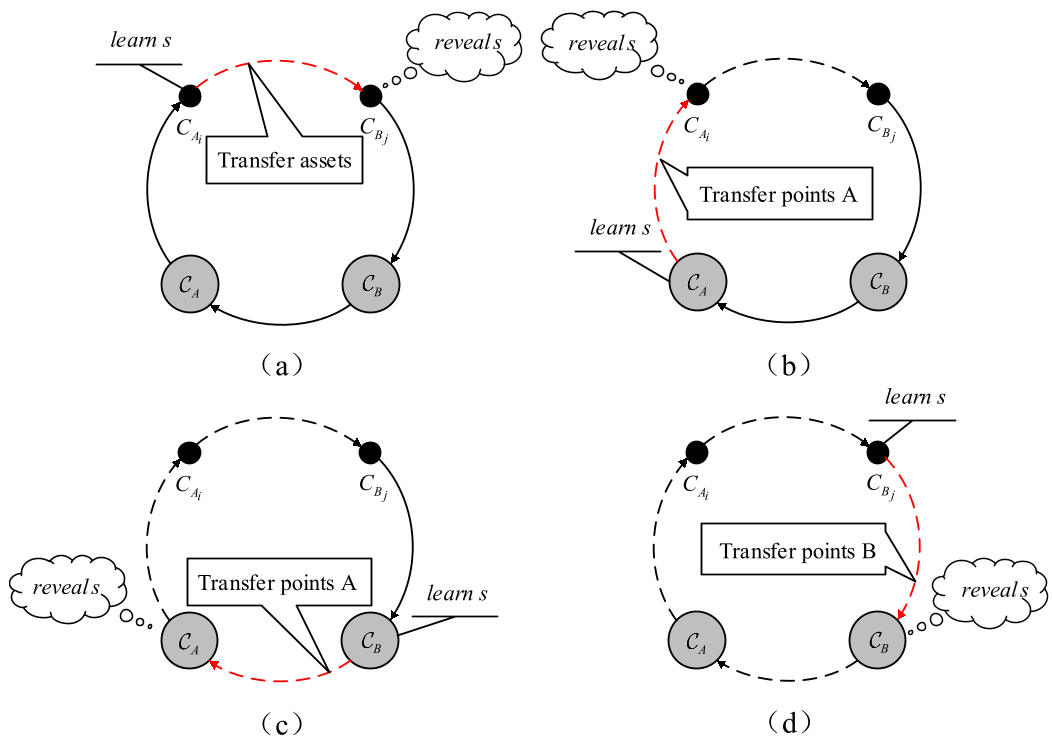 Fig 2: The 8-stage smart contract trigger sequence ensuring atomic value transfer.
Experimental Validation
Testing on a 230-node Ethereum simulation environment yielded several key insights:
- Threshold Sensitivity: Network delay is more sensitive to the threshold (t) than the total number of nodes (n). This suggests the system can scale to more hospitals without a linear performance hit.
- Privilege Balance: Performance is optimal when the power is distributed equally among consortium partners (). If one chain tries to exert too much control (higher threshold), the entire cross-chain latency increases.
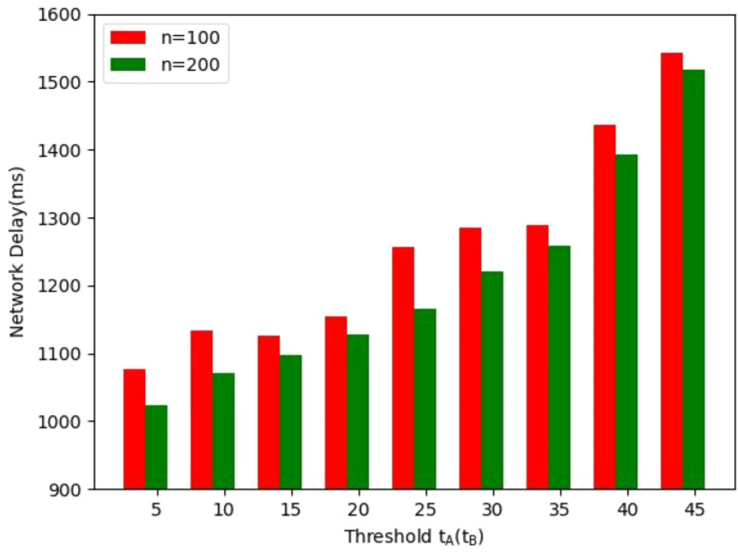 Fig 3: 4-Stage smart contract execution delay showing millisecond-level responsiveness.
Critical Insight & Conclusion
The true value of this work is the extension of trust. By treating an entire blockchain's consensus as a single "meta-node" in a larger group signature, the authors have created a recursive trust model.
Limitations: The study assumes hospital nodes are "rational" (acting in self-interest). In practice, regulatory compliance (GDPR/HIPAA) might impose "irrational" constraints that the current value-transfer game doesn't fully model.
Future Outlook: This framework could pave the way for "Global Clinical Trials" where cross-border data interaction occurs as seamlessly as a local database query, yet remains under the strict cryptographic control of the patient.