
Live Clicks, Real Connections: How Dynamic Feedback Transforms Social Interaction
Dynamic feedback mechanism for maximizing interaction in online social network services
This paper introduces a "Dynamic Feedback Mechanism" for social rating systems (e.g., Facebook "Likes") that updates scores in real-time without page reloads. The study demonstrates that synchronicity in social feedback significantly increases user interaction, achieving the highest engagement in User-Generated Content (UGC).
TL;DR
Static numbers are a relic of the past. Researchers from POSTECH have demonstrated that by simply making the Facebook "Like" counter tick upwards in real-time (Dynamic Feedback), users are significantly more likely to engage and feel a sense of "Social Presence." This effect is most potent for personal, user-generated content, where the pulse of the community translates directly into individual action.
Background: The Static Ceiling of Social Media
Since the inception of the "Like" button, social media has used popularity as a proxy for quality. However, most platforms utilize a static feedback mechanism. You see a number, you click it, and the number changes for you, but the broader community's activity remains invisible unless you refresh.
The authors argue that this "batch-processing" of social validation creates a disconnect. Based on Social Penetration Theory, which suggests that relationships develop through self-disclosure (in this case, clicking "Like"), the research explores whether synchronous feedback can accelerate this process.
The "Dynamic" Intervention
To test this, the researchers built a simulated Facebook environment. The differentiator was a simple but powerful UI change:
- Static Group: "Like" counts remained frozen during the session.
- Dynamic Group: "Like" counts increased every second via a JavaScript timer, simulating a living, breathing community of thousands of active users.
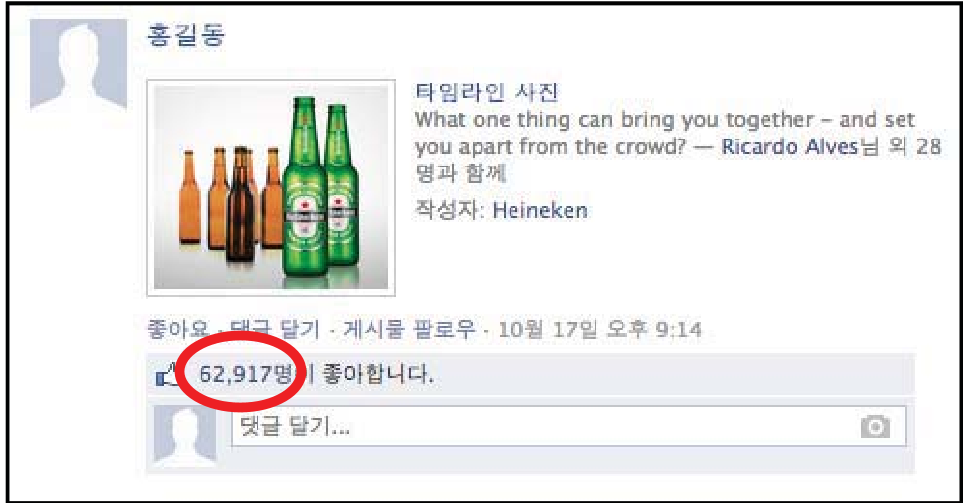 Fig 1: The Dynamic Feedback system showing real-time incrementing "Like" counts.
Methodology: Content Matters
The study didn't just look at the how of feedback, but the what. They categorized content into three buckets:
- User-Generated Content (UGC): Non-expert, non-commercial (e.g., a friend's personal story).
- News Articles: Expert-driven, non-commercial information.
- Advertisements: Expert-driven commercial content.
Results: The Power of the Living Counter
The results were striking. The dynamic feedback group was nearly twice as active as the static group.
| Content Type | Static Feedback (Mean Likes) | Dynamic Feedback (Mean Likes) |
|---|---|---|
| User-Generated | 1.30 | 2.56 |
| News Articles | 0.43 | 0.91 |
| Advertisements | 0.26 | 0.56 |
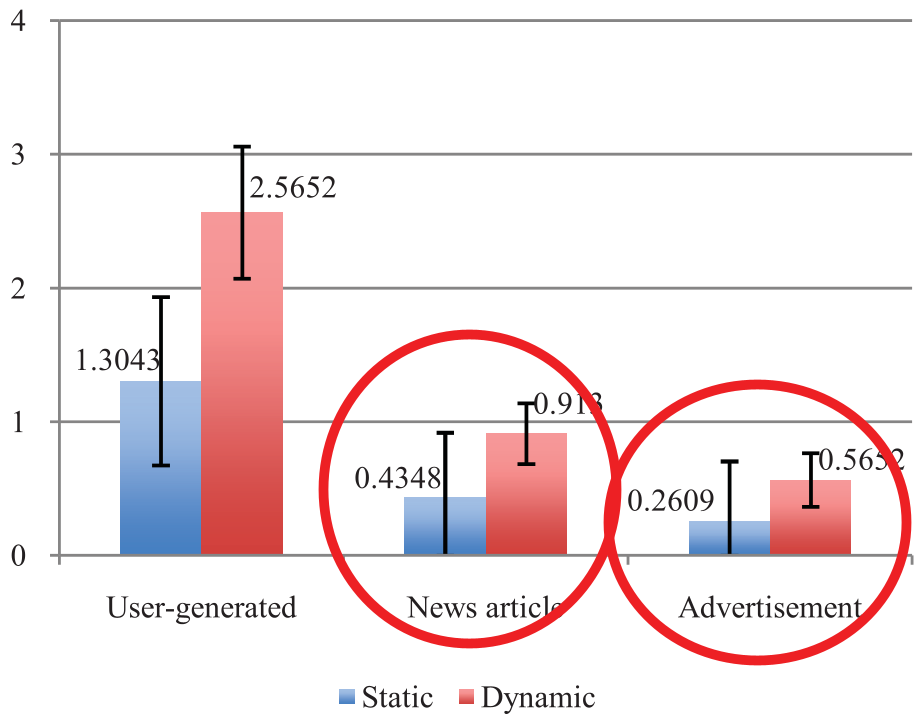 Fig 2: Interaction effect between feedback type and content type. UGC saw the most dramatic spike.
Key Insights:
- Unconscious Engagement: Interestingly, post-experiment interviews revealed that participants were often unaware that the moving numbers influenced them. They reported a "feeling of connection" even if they didn't consciously notice the counter's speed.
- The UGC Synergy: Dynamic feedback works best when the content is personal. Seeing a news article's likes go up is interesting, but seeing a friend's post "blow up" creates a psychological urge to join the "in-group" participation.
Deep Insight: Social Presence as a Service
Why does this happen? The authors point to the concept of Social Presence. In a static environment, you feel like you are reading an archive. In a dynamic environment, you feel like you are in a crowded room. This study proves that "Social Interaction" is not just about the content itself, but about the perceived presence of others reacting to that content simultaneously.
Limitations and The Road Ahead
While the UI change is effective, it comes with a "Network Tax." Updating thousands of counters for millions of users in real-time could crush server infrastructure. The authors propose intelligent "Idle Status" triggers—only updating counters that are currently in the user's viewport—to mitigate this cost.
Conclusion
This research provides a blueprint for the next generation of social interfaces. By moving away from static metrics toward synchronous social signals, platforms can foster deeper engagement and a more palpable sense of community. For developers and UI/UX designers, the takeaway is clear: if you want more interaction, make the interaction visible in real-time.
Takeaway for the Industry: Synchronous UI elements satisfy a deep-seated human need for social validation and connection, transforming a passive browsing experience into an active social event.