
Dynamic Seed Analysis: Maximizing Efficiency in Topic-Specific Social Media Crawling
Dynamic Seed Analysis in a Social Network for Maximizing Efficiency of Data Collection
The paper introduces a "Seed Analysis" module for a Twitter data collection tool, focusing on maximizing the efficiency of topic-specific data gathering. It employs a dynamic algorithm to select and update "seed nodes" based on user influence factors and keyword relevance, significantly outperforming manual expert selection.
TL;DR
To combat the sheer volume of "noise" in social media data, researchers from Towson University developed a dynamic seed analysis algorithm. By calculating a "node activity weight" based on keyword frequency and influence (follower count), their system achieved a 66x increase in topic-relevant data collection efficiency compared to manual selection by specialists.
Background: The Cost of Noise
In social network analysis, your data is only as good as your starting point—the seed nodes. Traditionally, researchers chose these starting points manually (e.g., following a politician's account to study an election). However, social networks are dynamic; even "official" accounts might not be the most active or relevant hubs for specific emerging conversations. This mismatch leads to "noisy" datasets where relevant information is buried under millions of unrelated posts.
The Core Insight: Quantifying Node Activity
The authors argue that an ideal seed node must possess two qualities:
- Influence: A large audience (measured by Follower Count).
- Relevance/Activity: A high frequency of posting about the specific target topic.
The Methodology
The system introduces a Seed Handler module into a standard crawler architecture. Instead of a static list, it follows a two-step algorithmic process:
- Initial Node Selection: The tool scans for nodes mentioning a keyword and creates a list. It ranks them by follower count but validates them based on a "Qualified Node" check.
- Activity Weight Calculation: The algorithm looks at a user's most recent tweets (within 30 days). The weight is calculated as , where is the number of keyword-related tweets and is the total tweets.
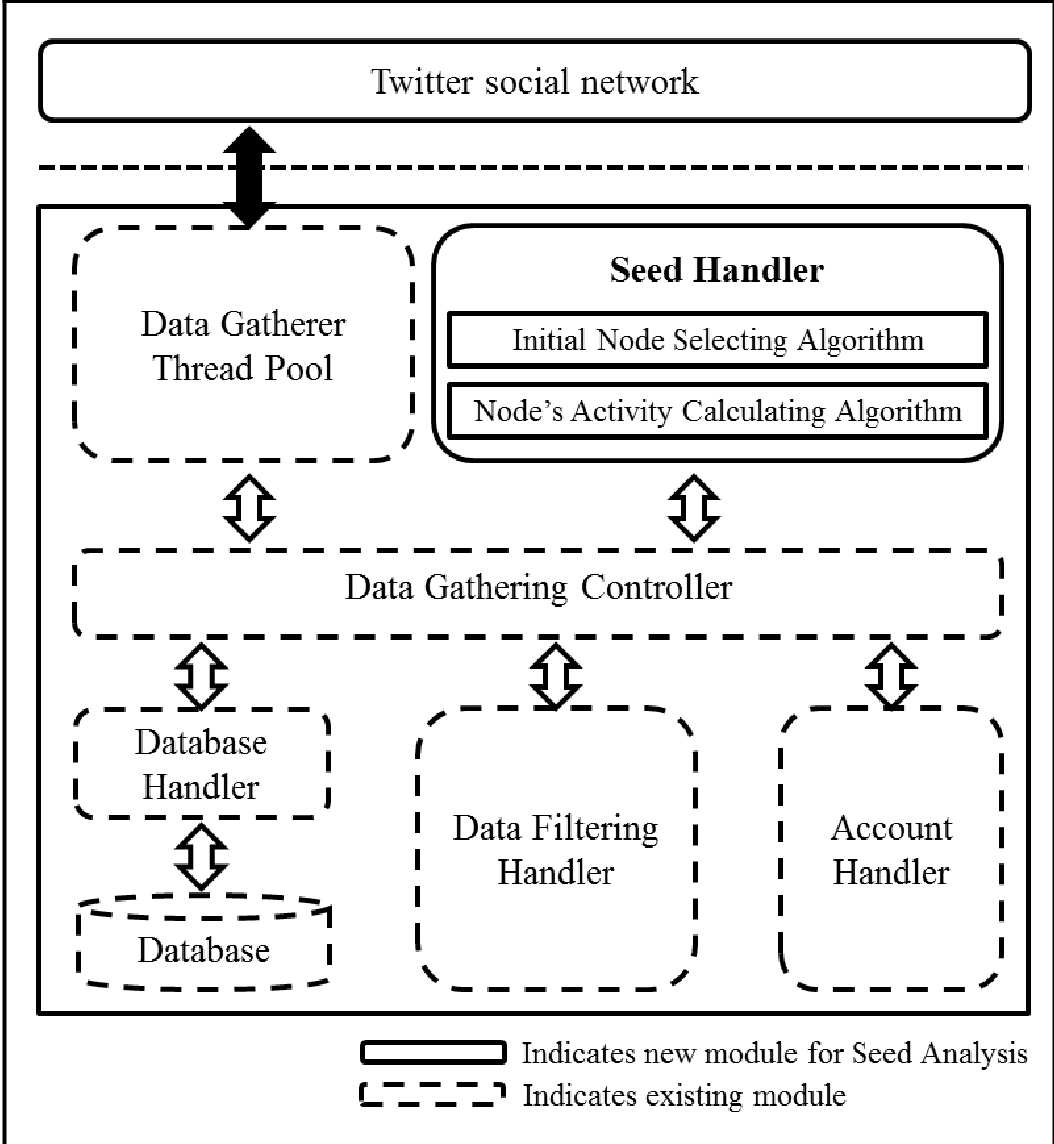 Fig 1: The architecture shows how the Seed Handler integrates with the Data Gathering Controller to filter nodes before they enter the thread pool.
Experimental Battle: Algorithm vs. Specialist
The researchers tested their approach against a "Specialist" during the 2012 US Presidential Election, using the keyword "Obama". The specialist chose Obama’s official account as the seed, assuming followers would be topic-relevant.
Results
The comparison was staggering. As shown in the tables below, the Seed Analysis algorithm maintained a much higher density of relevant content across multiple attempts.
| Approach | Avg. Keyword-Related Tweets (%) | Avg. Irrelevant Tweets (%) |
|---|---|---|
| Seed Analysis | 9.98% | 90.01% |
| Specialist Selection | 0.15% | 99.85% |
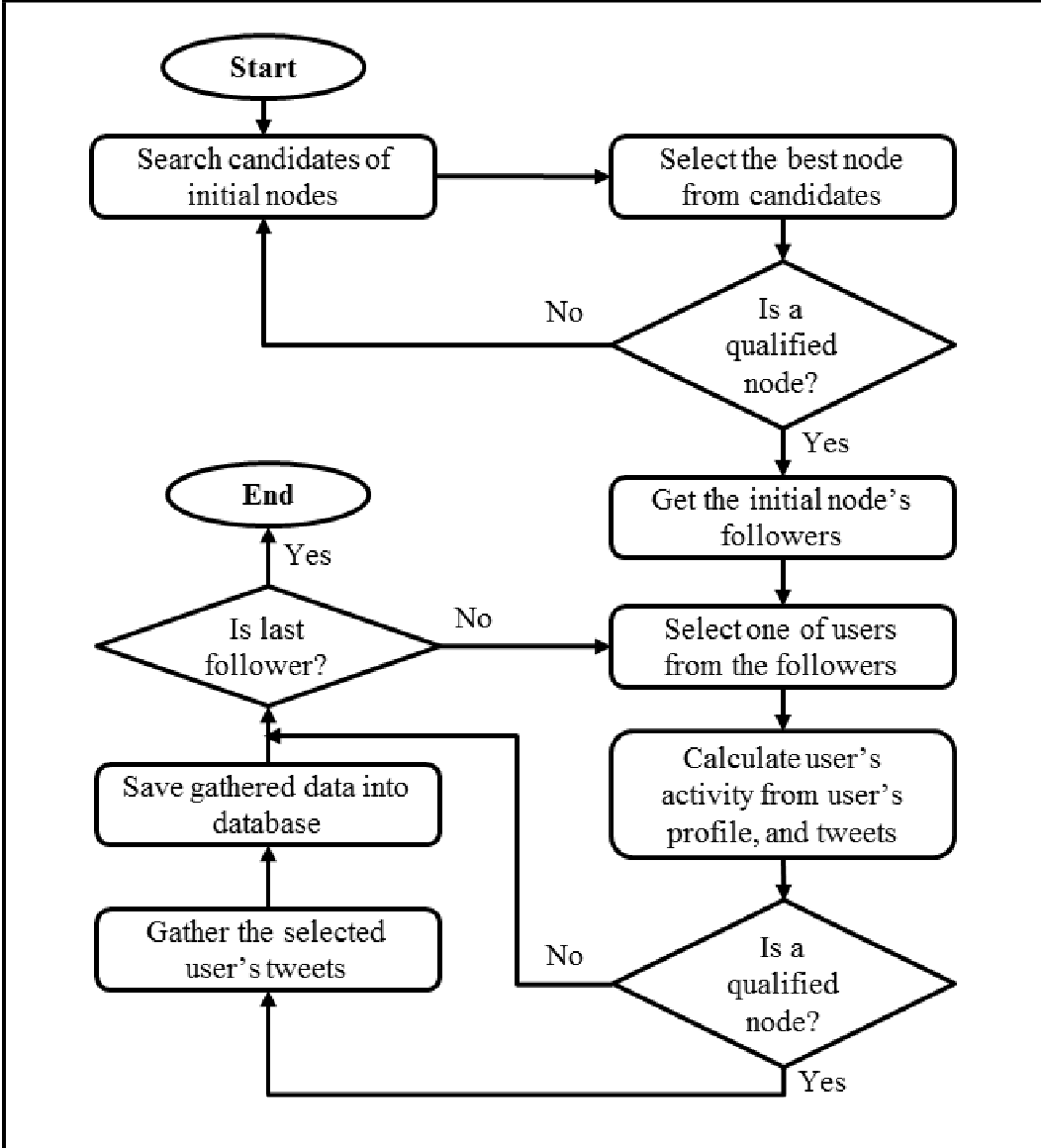 Fig 2: The logic used to calculate the 'Qualified' status of a node based on recent posting history.
The Chi-square test performed by the authors indicated a probability of less than 0.001% that these results was due to chance. Essentially, the dynamic algorithm "found the conversation" where the manual approach only "found the celebrity."
Critical Insight & Limitations
The beauty of this method lies in its Inductive Bias: it assumes that active participants in a sub-topic are better "routers" to other relevant nodes than central hubs of the general network.
However, there are limitations:
- Single Keyword Focus: The current iteration only supports one keyword at a time. In real-world scenarios, topics are often defined by a cluster of related terms (e.g., "Election," "Voting," "POTUS").
- Recency Bias: While 30 days is a solid window, sudden "hot topics" might require an even more aggressive temporal weighing system.
Conclusion
This research demonstrates that even simple statistical filters, when applied dynamically to the seed-selection phase of a crawler, can exponentially improve data quality. For developers building sentiment analysis or trend-tracking tools, the message is clear: don't just follow the "Influencers"—follow the Topic-Active Influencers.
Future Perspectives
The authors aim to expand the algorithm to handle multiple keywords and analyze user influence in networks that extend dynamically. This could eventually lead to "Auto-Targeting" crawlers that adapt their search parameters as a social media conversation evolves.